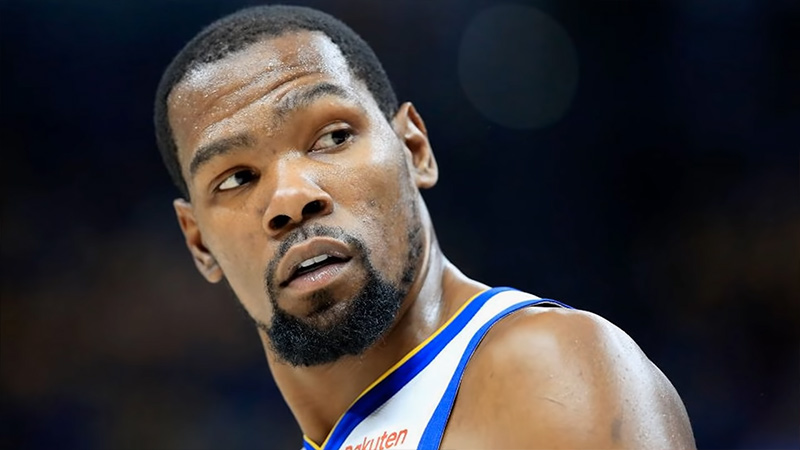
Kevin Durant’s personality is defined by a deep obsession with the craft of basketball, an introverted nature, and a radically unfiltered approach to public interaction.
Unlike typical superstars who prioritize corporate branding, Durant is a “basketball purist” who values the aesthetic beauty and daily grind of the game above all else.
Psychologically categorized as an ISFP or “The Artist,” his character balances a guarded private life with a willingness to confront critics directly on social media.
This unique vulnerability—openly discussing mental health and insecurities—makes him a refreshingly transparent figure in the high-stakes professional landscape.
Defining Kevin Durant’s Personality Through the Hooper Lens
Exploring the foundational elements of his character requires looking past the statistics. At his core, the superstar operates with a philosophy that elevates the game of basketball to an art form rather than a business.
The Pure Dedication to Basketball Craft
Durant is often described as a purist who finds joy in the repetitive nature of training. He has famously noted that his life centers on the sound of the ball hitting the floor and the daily grind.
This single-minded focus allows him to ignore the executive politics that often distract elite athletes, ensuring his growth remains tied strictly to on-court performance and technical mastery.
Prioritizing Organic Team Chemistry
Beyond individual skill, his character seeks environments where the game flows naturally. He thrives in “organic” settings where players complement each other without rigid or artificial structures.
This preference for harmony reflects a personality that values the aesthetic beauty of a cohesive unit, prioritizing the joy of play over the commercial markets or front-office maneuvers that dominate the modern league.
Why is Kevin Durant So Truthful on Social Media?
While most global icons hide behind professional communication teams, this athlete chooses a different path. His digital presence is a direct extension of his desire for individual agency and radical, unfiltered honesty.
Rejecting the Corporate PR Filter
Rejecting the traditional celebrity playbook is a hallmark of his identity. He refuses to speak through the sterile, polished lens of public relations, choosing instead to remain “real” in every interaction.
This commitment to authenticity ensures that his public persona is never a manufactured product, allowing him to maintain a human connection with his audience that is often lost at his level of fame.
Maintaining Direct Narrative Control
Rather than allowing media analysts to define his story, he confronts criticism head-on. By debating fans and critics directly on platforms like “X,” he takes responsibility for his own narrative.
He believes that as an honest person, he has earned the right to defend his name directly, ensuring that the information people receive comes straight from himself rather than a secondary commentator.
Resisting External Celebrity Molds
His advice to younger players often centers on the importance of self-preservation. He consistently urges them never to suppress their true thoughts or change their personalities to satisfy external expectations or corporate entities.
This resistance to fitting into a “super-hero” trope reinforces his belief that professional athletes should be allowed to exist as complex, multi-dimensional human beings rather than flat icons.
Understanding the Introverted Artist and ISFP Traits
To understand the psychological architecture of his mind, one must look at his personality type. Many analysts classify him as an ISFP, a type often referred to as “The Artist” due to its focus on internal values.
The Role of Introverted Feeling (Fi)
A dominant trait in his psychological profile is Introverted Feeling, which grants him an intensely personal moral compass. This results in a high sensitivity to how he is perceived; he does not possess the cold, indifferent armor of his peers.
Because he genuinely cares about the truth, he takes critiques to heart, viewing them through the lens of his deeply held personal convictions and emotional integrity.
Guarding a Private Inner Circle
Despite his vocal presence online, he remains a naturally private individual who likes to keep a sense of mystery. He fiercely protects his inner life, reserving his deepest loyalty and affection for a small circle of family and lifelong friends.
This duality—being public with his opinions but private with his soul—is a defining characteristic of his introverted nature.
The Impact of High Sensitivity and Emotional Vulnerability
Vulnerability is often seen as a weakness in professional sports, but here it serves as a bridge to true human connection. His willingness to share his struggles provides a rare look at the man behind the jersey.
Openness About Mental Health Challenges
Throughout his career, he has been remarkably transparent about his mental health journey. He has openly discussed navigating bouts of depression, early-career body insecurities, and the immense weight of professional commitments.
By sharing these experiences, he breaks the stigma of the “invincible athlete,” showing that even the most elite performers face internal battles with mood and self-image.
Navigating the Weight of Elite Fame
He has frequently reflected on the profound isolation that often accompanies worldwide stardom. Managing the pressure of being a global figure while maintaining an introverted disposition is a constant balancing act.
His sensitivity allows him to feel the gravity of his position deeply, often leading to moments of profound introspection that shape his decisions both on and off the court.
A Legacy of Humility and Philanthropy
Away from the spotlight, his character is marked by a deep-seated humility. His 2014 MVP speech is considered a masterclass in emotional vulnerability, as he deflected credit to his mother and admitted his own flaws.
Similarly, his substantial charity work, such as supporting educational programs for college students, is handled quietly, reflecting a preference for actual substance over public applause.
Key Traits of Kevin Durant’s Personality Profile
The following characteristics highlight the multifaceted nature of his persona, ranging from his intense competitive drive to his quiet community impacts.
- Hyper-Awareness: He possesses a keen sense of how he is viewed by the public, often leading to a defensive but honest posture.
- Competitive Edge: On the court, his intensity is high, fueled by a deep-seated desire to master every facet of the game.
- Mystery: He consciously chooses what to share, leaving fans to wonder about the depths of his private thoughts.
- Groundedness: Despite his wealth and status, he remains connected to his roots and the people who supported him early on.
- Integrity: He values the truth above social convenience, even if it leads to public controversy.
- Dedication: His “hooper” mentality is a lifestyle, not just a career choice, requiring constant physical and mental commitment.
Frequently Asked Questions About the Mind of Kevin Durant
Is Kevin Durant considered an introvert or an extrovert?
While he is highly active on digital platforms, he is naturally an introvert who fiercely protects his private inner life. He describes himself as someone who prefers to remain a mystery to the general public.
His vocal nature on social media is less about extroversion and more about maintaining narrative control and staying authentically connected to the conversation regarding his craft.
How does the “The Artist” personality type influence his game?
As an ISFP, often called “The Artist,” his approach to basketball is deeply aesthetic. He values the beauty of the game and the daily grind of the craft over the fame it brings.
This personality type is driven by internal values and a desire for organic harmony, which explains why he prioritizes team chemistry and technical perfection over corporate branding or league politics.
Why does he interact directly with fans on social media?
This direct interaction is a form of radical authenticity. He rejects the sterile, PR-managed communication used by most superstars, preferring to engage rawly with both critics and supporters.
By debating analysts and fans, he ensures that his perspective is heard directly from himself, refusing to let secondary voices dictate his personal and professional story.
The Final Take: Authenticity in the Age of Icons
Kevin Durant’s personality stands as a testament to the power of remaining true to oneself in an industry that often demands conformity.
By prioritizing the “hooper” mentality and embracing his natural introversion, he has created a blueprint for modern stardom that is based on substance rather than image.
His willingness to be vulnerable about his insecurities and mental health challenges provides a necessary human element to the world of professional athletics.
Ultimately, his legacy will not just be defined by his championships, but by his uncompromising commitment to radical honesty and the pure love of the game.
For fans and aspiring athletes alike, he remains a symbol of how to navigate elite success without losing the core of one’s identity.