The F1 pit lane is the narrow strip of tarmac beside the main straight where races are won and lost in under three seconds. It is where cars get fresh tyres, where drivers serve penalties, and where team strategy turns into action.
To a casual viewer, the pit lane can look like controlled chaos. Twenty-odd mechanics swarm a car, wheel guns scream, and the car is gone before you can blink. To a strategist, it is a chessboard where a single call can decide a championship.
This guide explains what the F1 pit lane is, how it is laid out, the rules that govern it, how a modern pit stop works, and why it matters so much to the result.
Whether you are new to Formula 1 or a long-time fan who wants the finer details, you will finish with a clear, confident understanding of the sport’s busiest workplace.
What Is the F1 Pit Lane?
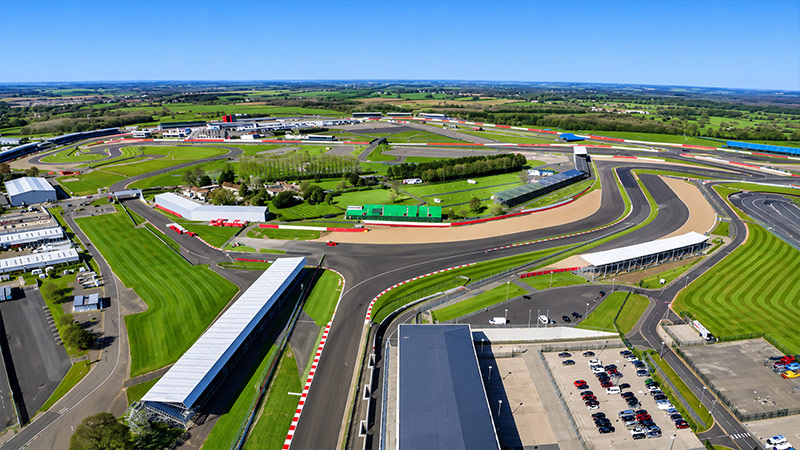
The F1 pit lane is a separate, speed-limited road that runs parallel to the start-finish straight and connects the track to each team’s garage. Cars enter it to change tyres, repair damage, or serve penalties, then rejoin the race.
Think of it as the front door of every team’s operation. Each garage opens directly onto the pit lane, and all cars in the field share the same strip of road. That shared space is why the pit lane has some of the strictest rules in motorsport.
The name is often traced back to early motor racing, when mechanics worked from trenches dug beside the track. Today’s pit lanes are purpose-built, wide, and heavily monitored, yet the name has stuck.
The pit lane serves four core purposes during a race weekend:
- Tyre changes, the most common reason to stop, since refuelling has been banned since 2010.
- Repairs, such as replacing a damaged front wing after contact.
- Penalties, including drive-throughs, stop-and-go penalties, and time penalties served during a stop.
- Session access in practice and qualifying, when cars leave and return to their garages.
Anatomy of the Pit Lane: From Entry to Exit
Every pit lane follows the same basic layout, even though its length and shape vary from circuit to circuit. A car passes through six zones in a fixed order.
- Pit entry. The road peels away from the racing line, usually just before the final corner. A solid white line marks the entry, and crossing it in the wrong place draws a penalty.
- Speed limit line. From here the driver must be at or below the limit, with the pit limiter engaged.
- Fast lane. The outer lane is for cars driving through. No one may work on a car here.
- Working lane and garages. The inner lane sits in front of the garages. This is where the crew waits and where the stop happens, inside a marked team box.
- Exit speed line. Once past it, the driver can switch off the limiter and accelerate.
- Pit exit and blend line. A white line guides the car back onto the circuit. Drivers must stay on the correct side of it to avoid cutting across cars at racing speed.
Garages are allocated according to the previous season’s constructors’ championship order, so rival teams often work side by side. Neighbouring crews share a tight stretch of working lane, which raises the stakes for every release.
The pit lane also has its own traffic light at the exit. A red light holds cars in the lane at the start of a session, during a red flag, or whenever race control needs to stop them rejoining.
Pit Lane Speed Limit and Key Rules
The standard F1 pit lane speed limit is 80 km/h (about 50 mph). At the tightest venues, such as Monaco, it drops to 60 km/h (about 37 mph), and race control can lower it further for safety.
Drivers hold the limit with a pit limiter button on the steering wheel. Timing loops embedded in the road measure speed through every section, so even a tiny breach is recorded and reported to the stewards.
The table below summarises the rules fans ask about most often.
| Rule | What it means | Typical consequence |
|---|---|---|
| Speed limit | 80 km/h at most circuits, 60 km/h at the tightest | Fine in practice; time penalty in the race |
| Entry and exit lines | Cars must not cross the solid white lines | Time penalty |
| Unsafe release | A car is sent into the path of another car | Time penalty; the team may also be fined |
| Working area | Mechanics work only in the inner lane and their team box | Penalty or fine |
| Penalty service | The crew may not touch the car while a time penalty is served | Further penalty |
| Two compounds | In a dry race, each driver must use two different dry tyre compounds | Penalty from the stewards |
The pit lane also hosts pit lane starts. A car whose team changes key parts or setup under parc fermé rules must start from the pit lane, after the rest of the field has passed the exit.
How a Two-Second Pit Stop Works
A modern F1 pit stop changes all four tyres in roughly 2 to 3 seconds, and the fastest recorded stops have dipped to about 1.8 seconds. That speed comes from relentless rehearsal, specialised equipment, and a crew of around 20 people, each with a single job.
| Role | Crew members | Job |
|---|---|---|
| Wheel gun operators | 4 | Remove and tighten the single wheel nut on each corner |
| Wheel-off mechanics | 4 | Pull the old wheel clear |
| Wheel-on mechanics | 4 | Fit the fresh wheel |
| Front jack | 1 | Lifts the nose as the car arrives |
| Rear jack | 1 | Lifts the rear of the car |
| Stabilisers | 2 | Hold the car steady on its jacks |
| Front wing adjusters | 2 | Change the wing angle when the team requests it |
| Release controller | 1 | Watches the lane and triggers the release light |
The stop unfolds in a tightly choreographed sequence:
- The driver brakes precisely onto the marks in the team box.
- Both jacks lift the car as the wheel guns engage.
- Old wheels come off, new wheels go on, and the nuts are tightened.
- Each gun operator signals that their corner is secure.
- The jacks drop, the release light turns green, and the driver accelerates back into the fast lane.
Most teams now use an electronic light system rather than the hand-held “lollipop” sign older fans will remember. Crews practise hundreds of stops across a season, then study each one frame by frame, hunting for tenths of a second in hand positions, gun reaction times, and jack design.
Pit Lane Strategy: Where Races Are Won
The pit lane is a strategic weapon because every stop costs time. A typical stop loses roughly 18 to 30 seconds compared with staying on track, depending on the pit lane’s length and speed limit.
Teams play with that cost in three main ways.
The undercut: A driver pits first, then uses fresh tyres to set faster laps while a rival stays out on worn rubber. If the lap-time gain outweighs the gap, the driver who stopped first comes out ahead.
The overcut: A driver stays out longer, using clean air or a still-healthy set of tyres to build a gap. This works when new tyres need time to warm up, or when traffic slows the car that pitted.
The cheap stop: A safety car or virtual safety car slows the whole field, so a stop costs far less time. Strategists often call drivers in the moment one is deployed.
Strategy teams model these choices in real time. They weigh tyre wear, gaps, traffic, weather forecasts, and rival behaviour, then make a call within seconds. One well-timed stop can gain several places, while a slow or mistimed one can undo a weekend’s work.
Safety in the Pit Lane
Safety shapes almost every pit lane rule, because mechanics stand just centimetres from moving cars. The 2018 Bahrain Grand Prix showed the risk, when a Ferrari mechanic suffered a broken leg after a car was released before its wheel change was complete.
Several layers of protection reduce that risk:
- Protective kit. Every crew member in the lane wears a helmet and fire-resistant clothing.
- Controlled access. Mechanics may step into the lane only shortly before their car arrives.
- Release technology. Wheel gun sensors and light systems confirm each nut is secure before the car can leave.
- Steward oversight. Every release is reviewed, and unsafe ones are penalised.
Race control can also close the pit entry when conditions demand it, for example while marshals recover a stranded car nearby. These measures explain why the pit lane, for all its speed, is one of the most tightly controlled environments in sport.
How Fans Can Experience the Pit Lane
Many Grand Prix events offer pit lane walks, usually on the Thursday before the race. Fans holding certain grandstand or hospitality tickets can stroll the lane, see the garages up close, and sometimes catch crews rehearsing stops.
To make the most of a visit:
- Check your ticket terms early, because pit lane access is limited and often sells out.
- Arrive at the start of your slot, when crowds are thinner.
- Watch the front of the garages, where pit stop practice usually takes place.
- Respect team barriers and staff instructions, since the lane remains a working area.
If you cannot attend in person, onboard footage and team radio during a broadcast offer the next best view of the action.
Conclusion
The F1 pit lane is far more than a place to change tyres. It is a tightly regulated road, a high-pressure workplace, and a strategic weapon that can swing a race in seconds.
You now know how it is laid out, why the speed limit matters, how a crew of around 20 completes a stop in under three seconds, and how undercuts, overcuts, and safety car calls shape results.
With that knowledge, every pit window becomes easier to read and far more exciting to watch.
Next race weekend, keep a close eye on the live timing and the gaps before each stop. Share this guide with a fellow fan, and subscribe for more expert race-weekend explainers delivered to your inbox.