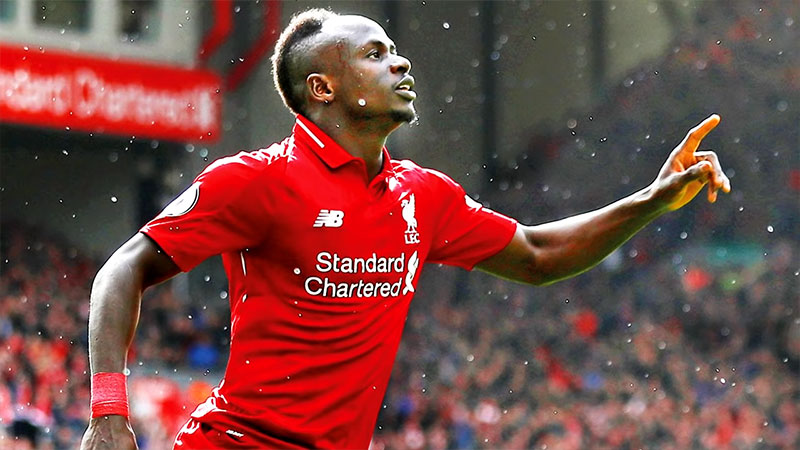
The departure of a world-class athlete at the peak of their powers is rarely a simple story. When the news broke in June 2022 that Sadio Mané was leaving Liverpool for Bayern Munich, the football world was forced to reconcile with the end of one of the most productive eras in Premier League history.
After six seasons, 269 appearances, and 120 goals, the Senegalese forward decided his time on Merseyside had reached its natural conclusion.
Understanding this move requires looking beyond the transfer fee and the tactical board. It requires an analysis of professional ambition, the business of sport, and the profound personal responsibilities a player carries off the pitch.
Here is a comprehensive breakdown of the factors that led to one of the most significant transfers in recent football history.
1. The Professional Catalyst: Seeking the “Uncomfortable” Zone
Mané has never been a player content with the status quo. His career has been defined by a constant upward trajectory, from Génération Foot to Salzburg, Southampton, and finally Liverpool.
- The Mission Complete Mindset: By the summer of 2022, Mané had achieved everything possible at the club level with Liverpool. This included the Premier League title, the Champions League, the FA Cup, and the League Cup. In his own mind, the “mission” was finished.
- The Need for Fresh Pressure: Mané has often noted that his life is defined by taking risks. After six years in a familiar system under the same manager, he felt he was entering a “comfort zone.” To maintain his elite level, he believed he needed to test his abilities in a different league and a different culture.
- Proactive Communication: Unlike transfers that turn sour due to sudden demands, Mané was transparent. He informed manager Jürgen Klopp of his desire for a new challenge a full year before he actually left, allowing the club time to plan for a future without him.
2. The Humanitarian Pillar: Supporting a Nation
While fans often focus on weekly wages in terms of luxury, for Sadio Mané, financial negotiations carry a different weight. His income is the primary engine for massive infrastructure projects in his home country of Senegal.
- Funding Bambali: Mané is famously devoted to his home village. He has personally funded the construction of a major hospital, a high school, and significant infrastructure. These are not mere donations; they are ongoing financial commitments that require a specific level of capital.
- The Contract Disconnect: As he entered the final 12 months of his contract at Liverpool, the negotiations reportedly did not align with his financial responsibilities. For a player whose earnings directly translate into life-saving medical care and education for thousands, the numbers on a contract are a matter of social responsibility.
- A Shift in Priorities: That same summer, Liverpool made the strategic decision to make Mohamed Salah the highest-paid player in the club’s history. This choice, while logical from a business perspective, signalled to Mané that his path to securing the resources he needed for his philanthropic work might lie elsewhere.
3. The Bayern Munich Proposition: A New Marquee Role
Bayern Munich did not just want Sadio Mané; they needed him. Their approach was aggressive and focused, presenting a package that satisfied both the player and the selling club.
- The Lewandowski Replacement: With Robert Lewandowski departing for Barcelona, Bayern had a massive void in their attacking line. They viewed Mané as the marquee signing capable of maintaining their dominance in the Bundesliga and competing in Europe.
- The Lure of the Bundesliga: After conquering the Premier League, the chance to lead Germany’s most successful club offered the fresh competitive environment Mané craved.
- A Respectful Exit: Liverpool’s leadership, acknowledging his immense contribution, opted not to stand in his way. They accepted a £35 million package from Bayern Munich, a figure that reflected a balance between his market value and a “thank you” for his years of service.
4. The Tactical Evolution: How Liverpool Prepared
Football clubs at they operate on succession planning. Mané’s departure was part of a broader tactical shift at Anfield.
- The Transition Period: Knowing Mané wanted to leave, Liverpool had already begun integrating new attacking talent like Luis Díaz.
- Changing the Shape: The departure of a versatile forward like Mané, who could play across the front three, allowed Klopp to experiment with different tactical setups, eventually leading to the signing of Darwin Nuñez to provide a more traditional central presence.
- Sustainability: Moving a player in their 30s for a significant fee while he still has high market value is a key pillar of Liverpool’s “self-sustaining” business model.
5. The Emotional Legacy: Leaving on High Ground
In an era of “transfer sagas” and public falling-outs, Mané’s exit is often cited as a masterclass in how to leave a prestigious organization with dignity.
- Amicable Terms: There were no leaked stories or missed training sessions. Mané left on completely amicable terms, maintaining a strong relationship with the staff and his teammates.
- Legendary Status: By departing at the peak of his powers and with a trophy cabinet full of medals, he ensured his status as a modern Liverpool legend was untarnished.
- The Fan Connection: Mané’s humility and work rate endeared him to the Anfield faithful. His departure was met with sadness rather than anger, a rarity in modern football.
6. Key Statistics of the Mané Era (2016–2022)
To truly understand why his move was so significant, one must look at the consistency of his output during his six-year tenure.
- Consistent Scoring: He reached double figures for goals in every single Premier League season he played for Liverpool.
- Big Game Player: He was renowned for scoring in high-stakes matches, including the Champions League final and crucial title-deciding fixtures.
- The “Workhorse” Metric: Beyond goals, his defensive contributions and “pressing” statistics were consistently among the highest for forwards in Europe, making him the perfect exponent of Klopp’s “heavy metal football.”
7. Frequently Asked Questions Regarding the Move
Did Sadio Mané have a falling out with Mohamed Salah?
While the media often highlighted their competitive nature on the pitch, there is no evidence that their relationship was a primary driver for the move. The decision was rooted in professional growth and financial alignment for his philanthropic goals.
Why did Liverpool sell him for only £35 million?
Mané was in the final year of his contract. In the football business, players in their last 12 months have significantly lower market value because they can leave for free the following year. The £35 million fee was considered a fair compromise that respected the player’s wishes.
How did his departure affect Liverpool’s performance?
The loss of Mané was felt immediately. His ability to lead the press and his physical durability were difficult to replicate, leading to a period of tactical transition for the squad during the following season.
Is he still involved with Liverpool?
While no longer an employee, Mané remains a celebrated figure at the club. His legacy is permanent, and he is frequently cited by current players as an example of professional excellence and humanitarian leadership.
Conclusion: The Blueprint for a Successful Career Transition
The story of Sadio Mané leaving Liverpool is not a story of failure or frustration. Instead, it is a blueprint for how a high-performing individual can manage their career with both strategic foresight and personal integrity.
By recognising when his mission was complete, communicating his desires early, and ensuring his next move supported his broader life goals in Senegal, Mané achieved something rare: he left a giant organisation better than he found it, with his reputation at an all-time high.
He remains a modern legend not just for the goals he scored, but for the grace with which he chose to start his next chapter.