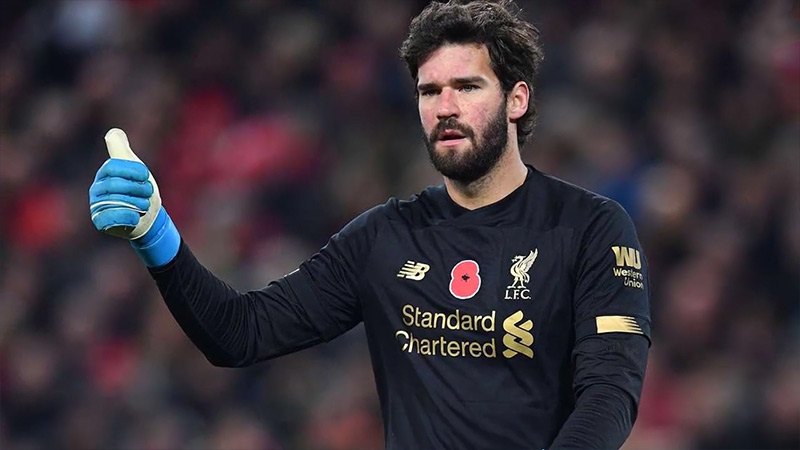
The transition of a football club from one era to another is often defined by the pillars that remain standing. For Liverpool Football Club, as they navigate the complexities of the mid-2020s, no pillar is more central to their structural integrity than Alisson Becker.
Following a period of intense speculation regarding a potential move to Serie A, the definitive word has arrived: Alisson Becker will remain at Liverpool for the upcoming season, effectively ending one of the most significant transfer sagas of the 2026 window.
This analysis explores the multi-faceted reasons behind this decision, the tactical imperatives of the coaching staff, and what this commitment means for both the player’s legacy and the club’s pursuit of silverware.
The Juventus Approach: Anatomy of a Rejected Offer
In the early months of 2026, the footballing world was abuzz with reports that Juventus, the Italian giants, had identified Alisson as their primary target to revitalize their defensive line.
The interest was far from superficial; Juventus presented a lucrative three-year contract offer designed to tempt the Brazilian back to a league where he first made his mark in Europe.
For a 33-year-old goalkeeper, a three-year deal at a prestigious European club often represents a final “big” contract—a chance for long-term security in a different environment.
Reports indicate that while Alisson was initially open to the prospect of a move to Turin, the professional and personal ties to Merseyside ultimately proved too strong to sever.
The rejection of such a formal and high-value approach underscores a level of loyalty that is increasingly rare in the modern game.
The Iraola Influence: Defining the “Un-sellable Pillar”
The appointment of Andoni Iraola as Liverpool manager brought with it questions about how the squad would be reshaped. However, the Basque coach’s stance on his goalkeeping situation was immediate and unwavering.
Iraola has characterized Alisson as an “un-sellable pillar” of his tactical framework, insisting he has no intention of sanctioning a departure for the veteran.
From a tactical perspective, Alisson fits the Iraola profile perfectly. The manager’s system often demands:
- A High Defensive Line: Requiring a “sweeper-keeper” with elite anticipation.
- Composure Under Pressure: The ability to bypass the first line of an opponent’s press.
- Proactive Goal-Tending: Managing the space behind the defenders.
By labeling Alisson as a non-negotiable part of the roster, Iraola has sent a clear message to the board and the fans: the path to success begins with the most reliable hands in the world.
Contractual Certainty: The 2027 Horizon
Liverpool’s strategy regarding Alisson’s contract has been both proactive and decisive. In March 2026, the club triggered a one-year extension, a move that effectively secured his services until June 2027.
This contractual maneuver provided the club with significant leverage during the Juventus negotiations, ensuring they were never in a position where they were forced to sell a key asset at a discounted rate.
Currently, the relationship between the player and the club appears to be at an all-time high. Alisson has signaled his intent to honor the final year of his deal rather than agitating for a transfer, a decision that has stabilized the dressing room during a critical transition period.
Perhaps most encouraging for the Liverpool faithful is the report that Alisson remains open to discussing a longer-term extension in the future, suggesting that his story at Anfield may yet have several chapters left to be written.
The Global Stage: Brazil and the 2026 World Cup
While the club season has concluded, Alisson’s responsibilities have not diminished. He is currently on international duty, spearheading Brazil’s preparations for the 2026 FIFA World Cup.
For a player of Alisson’s caliber, maintaining a starting position for the Seleção is a primary career objective, and the stability provided by staying at Liverpool is a strategic advantage.
In a recent friendly against Egypt, which Brazil won 2-1, Alisson started and played the first 45 minutes, demonstrating that he remains the first choice for his national team.
Continuing to play in the Premier League—widely considered the most demanding environment for a goalkeeper—ensures that he arrives at the World Cup in peak condition, tested weekly by the world’s most elite attackers.
Leadership and the Psychological Impact on the Squad
Beyond the saves and the statistics, Alisson’s decision to stay provides an intangible but vital boost to the Liverpool squad. In a period of managerial change, veteran leadership is the glue that holds a team together.
- Confidence for the Defense: Knowing that a world-class presence is behind them allows defenders like Ibrahima Konaté and Virgil van Dijk to play with greater freedom.
- Mentorship: Alisson serves as a blueprint for the younger goalkeepers in the academy, demonstrating the professionalism required to stay at the top for over a decade.
- Stability for Fans: In an era of constant squad churn, Alisson represents a link to the club’s recent golden era, providing a sense of continuity that is essential for supporter morale.
Market Context: Why Replacing Alisson is Nearly Impossible
To understand why Liverpool fought so hard to keep Alisson, one must look at the current market for elite goalkeepers. The “Tier 1” bracket—keepers who possess world-class shot-stopping, elite distribution, and high-level leadership—is exceptionally small.
If Liverpool had accepted the Juventus offer, they would have been forced into a volatile market where clubs are often asked to pay record-breaking fees for unproven talent.
By retaining Alisson, the club has avoided a “panic-buy” scenario, allowing them to allocate their transfer budget to other areas of the pitch while knowing their goal remains the most secure in the league.
Frequently Asked Questions Regarding Alisson Becker’s Future
Is Alisson Becker leaving Liverpool in 2026?
No. Despite formal interest and a contract offer from Juventus, Alisson has committed his immediate future to Liverpool and will remain at the club for the 2026/27 season.
How long is Alisson’s current contract?
Following an extension triggered by the club in March 2026, Alisson is under contract at Anfield until June 2027.
Did Juventus make a formal bid for Alisson?
Yes. Juventus offered Alisson a lucrative three-year deal to become their new starting goalkeeper, an offer that the player ultimately rejected in favor of staying at Liverpool.
What is Andoni Iraola’s opinion on Alisson?
Manager Andoni Iraola considers Alisson an “un-sellable pillar” of his team and has stated he has no intention of letting the goalkeeper leave.
Is Alisson still the first choice for Brazil?
Yes. Alisson is currently with the Brazil squad for the 2026 World Cup and recently featured in their 2-1 win over Egypt, starting the match and playing the first half.
The Road Ahead: What to Expect in 2026/27
As we look toward the new season, the narrative surrounding Alisson Becker has shifted from one of uncertainty to one of absolute focus. With his future at Anfield secured, the focus returns to the pitch.
For Liverpool, having Alisson in goal is a competitive advantage that cannot be overstated. As the team adapts to the tactical nuances of Andoni Iraola, the goalkeeper will act as the team’s heartbeat—starting attacks, organizing the defense, and producing the “impossible” saves that have become his trademark.
The 2026 World Cup will undoubtedly be a career-defining moment for Alisson, but his commitment to Liverpool ensures that, regardless of international results, his home remains at Anfield. Fans can rest easy knowing that the number one shirt is in the safest possible hands.