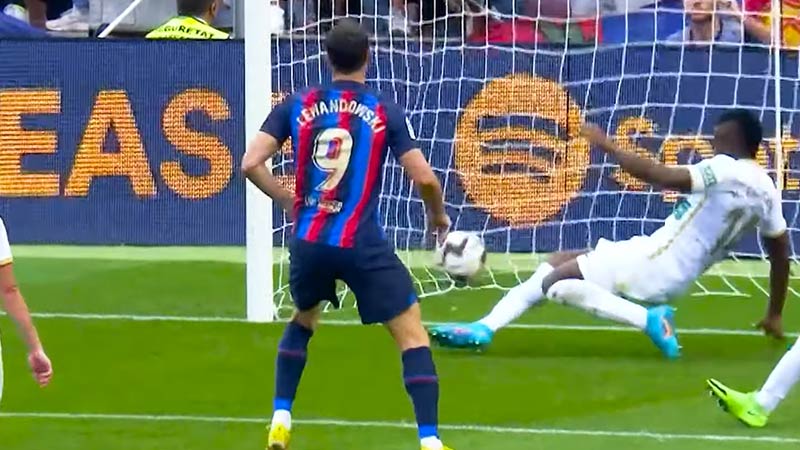
The transfer of Robert Lewandowski to FC Barcelona in 2022 marked a pivotal moment in modern football history.
This acquisition was not merely about securing a prolific striker but served as a calculated statement of intent from a club navigating complex financial recovery.
Despite significant economic hurdles, the Catalan hierarchy successfully negotiated a deal for one of the greatest goalscorers of the current generation.
The following analysis provides a comprehensive examination of the capital investment, including transfer fees, agent commissions, and the strategic wage structures that facilitated this landmark move to the Spotify Camp Nou.
Breaking Down the Initial Transfer Investment
The negotiation process between Barcelona and Bayern Munich for the Polish captain was characterized by high stakes and public tension.
After the striker expressed his clear desire to leave Germany, the clubs eventually settled on a package that balanced immediate liquidity with performance-based incentives.
The core of the agreement rested on a guaranteed base fee that reflected the player’s world-class status despite his age at the time. Bayern Munich viewed the deal as excellent value for a player with only one year remaining on his contract.
This structural approach allowed Barcelona to secure their priority target while managing their immediate cash flow constraints.
The Fixed Transfer Fee Components
The primary component of the deal was a fixed transfer fee of €45 million paid to the German champions. This amount was agreed upon after Barcelona improved their initial offers during the summer window of 2022.
While some critics labeled the fee high for a 33-year-old, the sporting necessity of a “pure number 9” outweighed the fiscal risks.
The Variable Performance Bonuses
Beyond the guaranteed sum, the agreement included an additional €5 million in potential variables. These add-ons were structured around specific performance milestones and team achievements over the duration of the contract.
These variables ensured that Bayern Munich could maximize their return if the striker continued his elite goalscoring form in Spain.
Total Payment Timeline and Fulfillment
A critical aspect of this transfer was the schedule of payments, which was a subject of much media speculation during Barcelona’s recovery period. Recent updates have clarified the status of these financial obligations to the Bavarian club.
| Payment Category | Amount | Status as of Late 2025 |
|---|---|---|
| Fixed Transfer Base | €45 Million | Fully Paid and Finalized |
| Performance Variables | €5 Million | Dependent on Milestones |
| Total Base Commitment | €50 Million | Ongoing Assessment |
As of late 2025, Bayern Munich CEO Jan-Christian Dreesen confirmed that Barcelona has completely fulfilled all installments of the €45 million base payment. This confirmation effectively silences rumors regarding outstanding debts related to the initial transfer fee.
The Hidden Costs: Agent Commissions and Fees
In high-profile football transfers, the fees paid to intermediaries often constitute a significant portion of the total expenditure. Pini Zahavi, the representative for the Polish striker, played a fundamental role in facilitating the exit from Bayern Munich.
The involvement of a high-tier agent was necessary to navigate the breakdown in communication between the player and his previous club.
Barcelona had to allocate specific funds to compensate for this professional facilitation and ensure the deal did not collapse under external pressure.
Pini Zahavi’s Negotiation Leverage
Reports indicate that Barcelona paid an upfront commission of €5 million to Pini Zahavi to finalize the transaction. This payment was seen as a prerequisite for managing the complex move and securing the player’s commitment to the Catalan project.
Zahavi’s influence was instrumental in publicly pressuring the Bayern management to accept the transfer request.
Long-term Commission Commitments
Some journalistic reports suggest that the total commission structure might be more extensive than the initial €5 million figure. There are indications that the agent could receive additional payments throughout the four-season contract.
These figures potentially reach €5 million per year, though these details often remain confidential within the club’s private ledgers.
Player Compensation: Lewandowski’s Salary Structure
To fit into the new fiscal regime established under Joan Laporta, the striker’s salary had to be structured with long-term sustainability in mind. The player reportedly accepted a lower base rate during his first season in Spain compared to his earnings in the Bundesliga.
This flexibility was crucial for Barcelona to register the player within the strict salary cap limits imposed by La Liga. The resulting contract is a dynamic agreement that adjusts based on the season and the player’s continued contribution to the first team.
Annual Salary and Gross Earnings
The striker earns an estimated gross fixed salary of approximately €20.83 million per year. Other reports suggest a threshold value of around €9 million net per year for the new wage structure.
This positioning makes him one of the highest earners in the squad, reflecting his status as a two-time Golden Shoe winner.
The Dynamic Salary Reduction Clause
A unique feature of this contract is the scheduled reduction in wages in the later stages of the agreement. Starting from the 2024/25 season, the player agreed to a lower salary to assist the club’s ongoing financial stability.
This clause demonstrates a mutual commitment to the club’s long-term viability during his tenure.
Contract Duration and Termination Options
The agreement is frequently described as a four-year contract, lasting until June 2026. However, the specific terms outline a “3+1” year structure, giving the club an option to extend the deal until the final year based on performance.
Furthermore, Barcelona holds an option to terminate the contract in the final two years by paying a pre-determined compensation fee.
The Financial Strategy Behind the Blockbuster Move
Securing a player of this caliber required Barcelona to utilize unprecedented financial maneuvers often referred to as economic levers. The club needed to generate immediate capital to fund the transfer fee and register new signings despite their debt levels.
This strategy involved selling off long-term assets to provide the liquidity necessary for a competitive rebuild. The acquisition was viewed by the board as an essential investment to restore the team’s sporting prestige and commercial appeal.
The Sixth Street TV Rights Deal
To finance the summer 2022 transfer window, Barcelona sold 10 percent of their TV rights for the next 25 years. This deal with the US firm Sixth Street generated €267 million in immediate revenue.
A portion of these funds was directly allocated to the recruitment of elite talent like the Polish striker.
Evaluating the Sporting Return on Investment
The decision to invest heavily in an older striker was met with both praise and skepticism within the football community.
- Immediate Impact: The striker scored four goals in his first three La Liga appearances, proving his immediate value on the pitch.
- Leadership: His arrival provided a veteran presence to guide a young core of players from La Masia.
- Commercial Value: Signing a global superstar elevated the club’s brand during a period of transition after the departure of Lionel Messi.
- Release Clause Protection: To secure the asset, the club set a massive €500 million buyout clause.
Frequently Asked Questions Regarding the Transfer
Was the transfer fee paid in a single lump sum?
No, the transfer fee was structured in installments, which is a standard practice for major European clubs. As of late 2025, the base amount of €45 million has been fully settled by Barcelona.
What happens if Barcelona wants to end the contract early?
The contract includes a specific clause allowing for termination in the final two years. If the club chooses this path, they are required to pay the player a compensatory fee as specified in the agreement.
Does the player have a high release clause?
Yes, the club protected its investment by setting a buyout clause at €500 million. This figure is designed to prevent other clubs from poaching the player without a monumental transfer fee.
Did the player take a pay cut to join the club?
Evidence suggests that the striker accepted a lower starting salary than what he was previously earning at Bayern Munich. This was done to accommodate the club’s new wage hierarchy and financial constraints.
Conclusion: A Strategic Financial Masterstroke
The acquisition of Robert Lewandowski represents more than a simple player transfer: it was a foundational piece of Barcelona’s modern era.
By committing €45 million in fixed fees plus variables, the club secured a serial winner who immediately translated his talent into goals.
The deal successfully balanced the necessity of world-class talent with the realities of a restricted budget through dynamic wage structures and clever negotiation.
Ultimately, the fulfillment of all payment obligations by 2025 highlights the club’s ability to honor its commitments while pursuing excellence.
For a team in transition, the price paid for the Polish striker has been justified by his leadership and efficiency in front of goal. This transfer remains a benchmark for how elite clubs can navigate financial adversity to secure the highest level of sporting success.