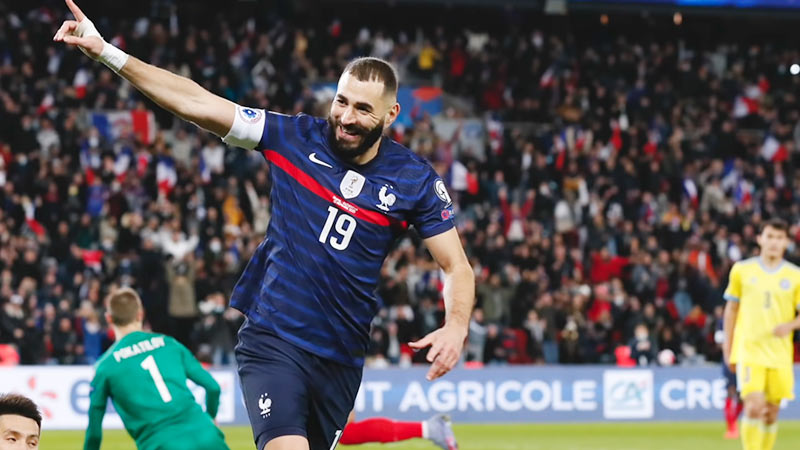
Karim Benzema is a legendary figure in world football. His career at Real Madrid and the French national team has made him a household name.
However, many fans often ask about his ethnic roots. Specifically, there is a recurring question about whether he is of Albanian descent. This guide explores his family history and clarifies the origins of this common misconception.
By looking at historical facts and family records, we can settle this debate once and for all. Understanding his true identity requires a look at his upbringing in France and his deep ancestral ties to North Africa.
The Core Facts of Karim Benzema’s Heritage
Every global icon faces questions about their personal history. For this elite striker, the answers lie in a blend of European birth and North African ancestry.
He is a French national of Algerian descent. This dual identity has shaped his career and his public persona for over two decades.
Life and Upbringing in Lyon
Karim was born in the city of Lyon, France. This is the place where he first developed his passion for the sport. He grew up in a neighborhood called Bron, which is known for its strong community ties. It was in this local environment that he began his professional journey.
His talent was recognized very early by scouts. He joined the youth academy of Olympique Lyonnais at a young age. This club provided the foundation for his technical skills.
He eventually rose through the ranks to become the star of the senior team. His connection to Lyon remains a significant part of his identity.
The culture of Lyon influenced his professional discipline. He was surrounded by a diverse group of aspiring athletes. This helped him adapt to the high pressure of European football. He is often seen as a hero in his hometown today.
The Deep Roots in Béjaïa
While he was born in Europe, his family lineage is purely North African. Both of his parents have Algerian origins. This heritage is a central pillar of his personal life. He has often spoken about the pride he feels for his family history.
His roots can be traced specifically to the Béjaïa region. This area is located in northern Algeria and is known for its beautiful coastline.
Many people from this region moved to France during the mid-twentieth century. His parents were part of this migration wave seeking better opportunities.
The Béjaïa region is part of the Kabylie area. This part of Algeria has a distinct cultural and linguistic background. Benzema maintains a connection to these roots even while living in Europe. It is this specific geographic tie that defines his ancestry.
Examining the Origins of the Albanian Myth
It is rare for a rumor to persist without some external trigger. In this case, legal news cycles and social media trends converged to create a false narrative. There is no biological or historical link between the player and Albania.
Impact of the Organized Crime Reports
The primary reason for the confusion involves criminal activity. In 2019 and 2022, Benzema’s luxury home in Spain was burglarized. These events took place while he was on the pitch for Real Madrid. The news of the break-ins spread across the globe quickly.
Investigations by Spanish authorities revealed the culprits. The burglaries were tied to an Albanian organized robbery ring. This detail was included in almost every major news report. One of the suspects was even a senior Albanian official.
Because his name appeared next to the word Albanian in headlines, people got confused. Readers often skim titles without reading the full story. They began to associate his name with the nationality of the intruders. This is how the false heritage link was born.
The Role of Digital Media Trends
Social media has played a significant part in spreading this myth. Benzema is a popular figure in the Balkan region. He often trends in media outlets across Albania and Kosovo. This is largely due to his massive global following.
He has occasionally interacted with social media influencers from the Balkans. These brief moments of engagement are amplified by fan accounts.
Some fans in the region enjoy claiming successful players as their own. This cultural adoption is common in international sports.
Furthermore, regional commentators often discuss his matches in great detail. When he wins major awards like the Ballon d’Or, the coverage is intense.
This constant presence in Albanian media led some to assume he had local ties. In reality, he is simply a respected figure in that part of the world.
A Legendary Career Across Two Continents
A player’s choice of national team often reflects their identity. Benzema had multiple options throughout his career due to his background. He ultimately decided to represent the country of his birth.
Dominance with the French National Team
Benzema earned a total of 97 caps for France. This is a remarkable achievement for any professional footballer. He spent many years as the primary striker for the national squad. During this time, he became one of the top scorers in their history.
He scored 37 goals for the French side before his retirement from the international stage. His goals often came in high-stakes matches.
He was a vital part of the team during several European Championships and World Cup tournaments. His technical ability and vision were unmatched.
Playing for France allowed him to compete at the highest level. He was part of a golden generation of French talent. While he had a complex relationship with the national setup at times, his impact was undeniable. He remains a key figure in the history of Les Bleus.
Loyalty to Algerian Cultural Identity
Despite playing for France, he was fully eligible to play for Algeria. This is a common situation for players with dual heritage. The Algerian football federation expressed interest in him during his youth. He had to make a difficult choice between two nations.
He chose France early in his professional career. This decision was based on his sporting ambitions and his development in the French league.
However, he has always maintained a respectful distance from any political controversy. He views his heritage as a matter of personal and family pride.
His story is typical of many second-generation immigrants in France. They navigate the complexities of belonging to two cultures simultaneously. He has never denied his Algerian roots while serving his birth nation. This balance is a defining trait of his public life.
Comprehensive Data on Benzema’s Identity
To provide total clarity, we must look at the hard data. The following information summarizes his background and the reasons for the common confusion. This helps distinguish between his actual life and the rumors found online.
| Category | Factual Detail |
|---|---|
| Nationality | French |
| Ancestry | Algerian |
| Ancestral Region | Béjaïa, Algeria |
| International Caps | 97 (France) |
| International Goals | 37 (France) |
| Reason for Albanian Link | Victims of a robbery ring |
Analyzing the Identity Statistics
The table above highlights the consistency of his records. Every official document lists his birthplace as Lyon. There is no mention of Albania in any part of his professional biography. His sporting loyalty has always been towards France.
His 97 appearances for the national team prove his commitment. These are not just numbers, but years of service on the global stage.
He consistently chose the French jersey over any other option. This reflects his identity as a product of the French sporting system.
The link to the robbery ring is the only factual connection to the word Albanian. This was an external event that happened to him, not a part of his lineage.
It is important to separate a person’s life experiences from their ethnic background. The data supports his French-Algerian identity exclusively.
Global Influence and Public Perception
Benzema is more than just a football player. He is a cultural icon for millions of people. This level of fame often leads to various interpretations of his life story.
Why Fans Often Misinterpret National Ties
The modern fan experiences sports through a digital lens. Information travels across borders in seconds.
When a player has a Mediterranean appearance, fans often make guesses about their origin. Many people in the Balkans see similarities between their people and North Africans.
This visual similarity often leads to the assumption of a shared history. In the case of Benzema, the false reports about the robbery gang solidified this idea.
Once a rumor starts on the internet, it is very hard to stop. People tend to believe information that is repeated frequently.
The lack of clear genealogical reporting in sports media also contributes. Most journalists focus on goals and assists rather than family history. This leaves a gap where misinformation can grow. Providing a clear record of his Béjaïa roots is the best way to fix this.
Frequently Asked Questions
Is Karim Benzema Albanian?
No, he is not Albanian. He is a French citizen who was born to parents of Algerian descent.
What is the connection between Benzema and Albania?
The only connection is a series of robberies at his home in Spain. These crimes were committed by an Albanian organized crime group.
Where was Karim Benzema born?
He was born in Lyon, France. This is where he grew up and started his career in football.
Could he have played for the Albanian national team?
No, he had no eligibility for Albania. He was only eligible to represent France or Algeria.
Is Benzema still playing for France?
No, he has retired from international football. He finished his career with 97 caps and 37 goals.
Conclusion: Respecting the Real Identity
The truth about Karim Benzema’s heritage is clear and well-documented. He is a man who belongs to two worlds, France and Algeria.
His life is a success story that spans across the Mediterranean. Any rumors about him being Albanian are simply based on a misunderstanding of news reports.
By understanding the facts, we can appreciate the player for who he truly is. He is a son of Lyon and a descendant of Béjaïa. These two locations define his past and his present. We should focus on his incredible achievements on the pitch rather than false rumors.
As he continues his journey in the world of football, his identity remains a point of interest. However, there should no longer be any doubt about his roots.
He is a proud French-Algerian icon whose legacy is set in stone. Keeping the record straight ensures that his personal history is respected by fans everywhere.