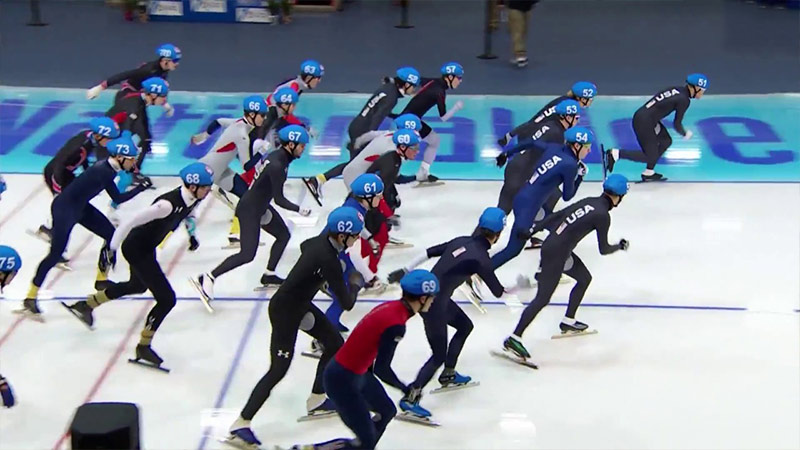
Mass start speed skating is one of the most exciting and strategic formats in competitive long-track speed skating. Unlike traditional time-trial races, where skaters compete in pairs against the clock, mass-start events place all competitors on the ice at the same time.
The result? A fast-paced, tactical race that combines endurance, positioning, sprint power, and split-second decision-making.
The discipline gained global recognition when it was officially introduced at the 2018 Winter Olympics. Since then, it has become one of the most thrilling events in the Winter Games, attracting new fans who enjoy its unpredictable and dynamic nature.
In this comprehensive guide, we’ll explore everything you need to know about mass start speed skating—its rules, format, scoring system, strategy, history, and why it stands out in the world of winter sports.
The Basics of Speed Skating
Before diving into mass start, it helps to understand traditional long-track speed skating.
Long-track speed skating is typically held in a 400-meter oval rink. In classic Olympic events—such as the 500m, 1000m, 1500m, 5000m, and 10,000m—two skaters compete at a time in separate lanes. Their goal is simple: post the fastest time.
Mass start, however, changes everything.
Instead of racing against the clock, skaters race directly against each other—just like cycling or marathon running. This head-to-head format introduces drafting, pack dynamics, and tactical maneuvering that don’t exist in traditional time-based events.
What Is Mass Start Speed Skating?
Mass start speed skating is a long-track race where all competitors begin simultaneously and skate a set number of laps around the oval rink. The first skater across the finish line doesn’t automatically win—instead, points determine the final rankings.
This format makes the race more strategic than simply skating as fast as possible.
Key Characteristics:
- All skaters start together
- Typically 16 laps (6.4 km total)
- Intermediate sprints award points
- Final sprint awards the most points
- Tactical drafting and positioning are crucial
Because of its unique blend of endurance and tactics, many fans compare it to road cycling races like the Tour de France, but on ice.
Race Format and Distance
In international competitions, including the International Skating Union (ISU) World Cup and Olympic events, the standard format for mass start includes:
- 16 laps of a 400-meter track
- Total distance: 6,400 meters
- Up to 24 skaters competing at once
Intermediate Sprints
Points are awarded at designated sprint laps—usually laps 4, 8, and 12.
At each intermediate sprint:
- 1st place earns 5 points
- 2nd place earns 3 points
- 3rd place earns 1 point
Final Sprint
The final lap carries the most weight:
- 1st place: 60 points
- 2nd place: 40 points
- 3rd place: 20 points
The skater with the highest total points wins. If there’s a tie, the finishing position in the final sprint determines the ranking.
This system ensures that the final lap is incredibly dramatic.
Drafting and Strategy
One of the defining elements of mass start is drafting.
Drafting occurs when a skater follows closely behind another, reducing wind resistance and conserving energy. This technique is widely used in cycling and marathon skating.
Why Drafting Matters?
At speeds exceeding 50 km/h (31 mph), wind resistance becomes a major factor. By skating behind others, competitors can:
- Save energy
- Avoid leading too early
- Launch a powerful sprint at the end
But drafting comes with risks. Staying too far back in the pack can trap a skater behind slower competitors. On the other hand, leading too long can drain energy before the final sprint.
Tactics in Mass Start Racing
Mass start isn’t just about speed—it’s about timing and intelligence.
Here are the main tactical elements:
1. Pack Positioning
Most skaters remain in a tight group for much of the race. Staying near the front reduces the risk of crashes and allows better sprint positioning.
2. Breakaways
Occasionally, a skater attempts a breakaway—accelerating early to collect intermediate sprint points or build a gap.
However, breakaways are risky. If the pack works together, they can reel the skater back in.
3. Sprint Timing
The final sprint is everything. Skaters must decide:
- When to accelerate
- When to change lanes
- How to overtake competitors
A mistimed sprint can cost the race.
How Mass Start Differs from Traditional Speed Skating?
Here’s a clear comparison:
| Traditional Long-Track | Mass Start |
|---|---|
| Two skaters at a time | All skaters together |
| Time-based results | Points-based results |
| No drafting | Drafting allowed |
| Focus on pure speed | Focus on tactics and speed |
| Individual effort | Pack dynamics |
Because of this contrast, some athletes specialize in mass start while others focus on classic distance races.
Olympic History
Mass start was officially added to the Olympic program at the 2018 Winter Olympics held in PyeongChang, South Korea.
The first Olympic champions in the event were:
- Men’s: Lee Seung-hoon
- Women’s: Irene Schouten
Their victories helped establish mass start as a thrilling and legitimate Olympic discipline.
Physical Demands of Mass Start
Mass start requires a unique combination of athletic abilities:
1. Aerobic Endurance
Skaters must maintain high speeds over 6,400 meters.
2. Anaerobic Sprint Power
The final lap requires explosive acceleration.
3. Tactical Awareness
Reading competitors and responding instantly is crucial.
4. Balance and Agility
Navigating tight packs at high speeds requires precision and stability.
Training for mass start often blends long-distance conditioning with sprint drills.
Equipment Used
Mass start skaters use similar equipment to other long-track events:
- Clap skates (with hinged blades)
- Skin-tight racing suits
- Protective gloves
- Aerodynamic helmets
Clap skates allow the blade to remain on the ice longer, increasing efficiency and power.
Common Fouls and Disqualifications
Because multiple skaters share the ice simultaneously, rules are strictly enforced to prevent collisions.
Common infractions include:
- Obstruction
- Impeding another skater
- Dangerous lane changes
- Causing a fall
Officials closely monitor the race, and penalties can dramatically alter results.
Why Fans Love Mass Start?
Mass start is often described as the most spectator-friendly speed skating event.
Here’s why:
- Constant action
- Strategic drama
- Sprint finishes
- Unpredictable outcomes
Unlike time-trial events—where viewers wait for times to update—mass start delivers immediate visual competition.
Famous Mass Start Athletes
Several skaters have built reputations in this discipline:
- Lee Seung-hoon
- Irene Schouten
- Bart Swings
These athletes excel in both endurance and tactical racing.
The Future of Mass Start Speed Skating
As viewership grows and audiences seek more dynamic sports formats, mass start continues to gain popularity.
Its format appeals to modern sports fans who enjoy:
- Head-to-head competition
- Tactical complexity
- High-intensity finishes
With increasing global participation and stronger television appeal, mass start is likely to remain a staple of future Winter Olympics and World Championships.
Frequently Asked Questions (FAQ)
1. How many laps are in a mass start speed skating race?
Most international mass start races are 16 laps on a 400-meter track, totaling 6,400 meters.
2. How is the winner determined?
The winner is the skater who earns the most points from intermediate sprints and the final sprint.
3. Is drafting allowed in mass start?
Yes, drafting is allowed and is a key strategic element of the race.
4. When did mass start becoming an Olympic event?
Mass start was added to the Winter Olympics in 2018 at the PyeongChang Games.
Conclusion
Mass start speed skating is a thrilling blend of endurance, tactics, and explosive sprinting. Unlike traditional time-trial speed skating, it places all athletes on the ice at once, turning the race into a strategic battle for position and points.
Since its debut at the 2018 Winter Olympics, the event has captivated fans with its dramatic final laps and unpredictable outcomes. It demands not only physical excellence but also sharp race intelligence and perfect timing.
Whether you’re new to speed skating or a seasoned fan, mass start offers one of the most exciting experiences in winter sports.