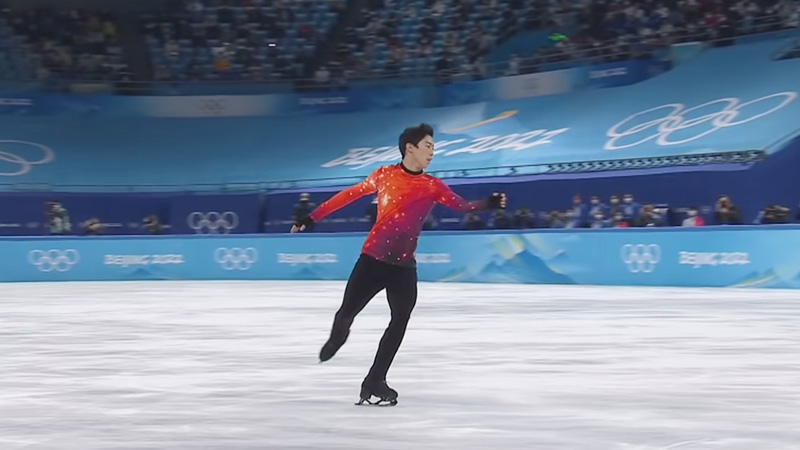
Ice skating is one of those rare activities that blends sport, artistry, and pure joy. Whether your goal is to glide casually at a local rink, master figure skating spins, or dream of playing hockey in the National Hockey League, the big question often comes first:
What age should you start ice skating?
The short answer: almost any age is the right age.
The better answer: it depends on your goals, comfort level, and physical development.
In this in-depth guide, we’ll explore the best age to start ice skating, what to expect at different stages of life, and how to set yourself (or your child) up for success.
Can Toddlers Start Ice Skating?
Ages 3–5: The Earliest Starting Point
Most skating programs accept children as young as 3 or 4 years old. At this stage, the focus is not on technique — it’s on:
- Balance
- Confidence
- Fun
- Basic coordination
Organizations like U.S. Figure Skating offer beginner programs designed specifically for preschool-aged skaters. These classes usually involve:
- Learning how to fall safely
- Standing up independently
- Marching on ice
- Basic gliding
Is 3 or 4 Too Young?
Not necessarily — but readiness matters more than age.
A child may be ready if they:
- Can follow simple instructions
- Feel comfortable separating from a parent
- Show good basic balance (running, jumping, climbing)
- Express excitement about skating
However, there’s no disadvantage to waiting until 5 or 6. Some children simply develop coordination later — and that’s completely normal.
The Ideal Age for Skill Development
Ages 5–7: A Sweet Spot for Learning
Many coaches consider ages 5 to 7 an ideal window to begin structured skating lessons.
At this stage:
- Balance improves significantly
- Attention span increases
- Motor skills develop rapidly
Children can begin learning:
- Forward and backward skating
- Snowplow stops
- Crossovers
- Basic turns
If your child has dreams of figure skating competitions or even the Winter Olympics, starting in this age range provides a strong technical foundation.
That said, early start does not guarantee elite success — dedication and enjoyment matter far more.
Starting at 8–12 Years Old
Is It Too Late?
Absolutely not.
Many children begin skating between 8 and 12 years old and progress very quickly. At this age, kids:
- Understand instruction more clearly
- Develop muscle memory faster
- Build strength and endurance easily
Older beginners often:
- Learn basic skills in weeks instead of months
- Feel less frustrated
- Progress rapidly with consistent practice
For recreational skating, hockey leagues, or local competitions, this age range is more than ideal.
What About Teenagers?
Ages 13–17: A Fantastic Time to Start
Teens sometimes feel self-conscious starting a new sport — especially one associated with younger children. But skating is incredibly adaptable.
Advantages of starting as a teen:
- Stronger muscles
- Better body awareness
- More discipline
- Clear personal motivation
Teens can pursue:
- Figure skating
- Ice dance
- Recreational hockey
- Speed skating
- Casual rink skating
While starting at 15 won’t likely lead to elite Olympic-level competition, it can absolutely lead to:
- Competitive local skating
- Advanced recreational skills
- Lifelong enjoyment
The biggest factor? Commitment and practice.
Can Adults Learn Ice Skating?
Ages 18 and Up: Yes, 100%
One of the biggest myths in skating is that it’s “too late” to start as an adult.
In reality:
- Thousands of adults begin skating every year
- Many participate in adult competitions
- Adult hockey leagues are extremely popular
Benefits of adult skating:
- Excellent cardio workout
- Strengthens core and legs
- Improves balance
- Reduces stress
- Boosts confidence
Adult beginners often learn more efficiently than children because they:
- Listen carefully to instruction
- Practice intentionally
- Understand technique more deeply
Progress may feel slower at first due to fear of falling — but once confidence builds, improvement accelerates.
Does Starting Younger Guarantee Success?
Not necessarily.
While early exposure can:
- Improve flexibility
- Build advanced muscle memory
- Provide more total years of practice
Success depends on:
- Consistent training
- Quality coaching
- Personal drive
- Enjoyment
Some elite skaters began at 3 or 4. Others started at 7 or even later.
The difference? Passion and persistence.
Ice Skating vs. Hockey: Does Age Matter More?
Figure Skating
- Earlier starts (4–7) help with advanced jumps and flexibility.
- Late starters can still reach competitive levels regionally.
Hockey
- Many hockey programs begin around age 5–8.
- Teens and adults can join beginner leagues.
- Adult recreational hockey is extremely common.
The good news: hockey is very beginner-friendly at older ages.
Physical Readiness by Age
Here’s what development typically looks like:
| Age | Skill Development |
|---|---|
| 3–4 | Balance basics, comfort on ice |
| 5–7 | Strong coordination growth |
| 8–12 | Rapid skill acquisition |
| 13–17 | Strength + strategic thinking |
| 18+ | Intentional practice + discipline |
The key isn’t age — it’s matching expectations to developmental stage.
Emotional Readiness Matters More Than Age
A 4-year-old who loves the ice will progress faster than a 7-year-old who feels pressured.
Signs someone is ready to start skating:
- Excited to try
- Comfortable falling and getting back up
- Curious about how skating works
- Willing to practice
If fear is overwhelming, it may be better to wait a few months.
How Long Does It Take to Learn?
This varies greatly, but here’s a general guideline:
With 1 lesson per week:
- Basic gliding: 2–4 weeks
- Controlled stops: 1–2 months
- Backward skating: 2–3 months
- Crossovers: 3–6 months
Younger children may take longer initially but catch up quickly.
Adults often progress faster technically but slower emotionally due to caution.
What If You Start “Late”?
“Late” is relative.
Starting at:
- 10? You’re still early.
- 15? Plenty of opportunity.
- 25? Absolutely fine.
- 50? Still beneficial and enjoyable.
Unless you’re aiming for elite Olympic competition, there is no expiration date on learning to skate.
Injury Risk and Age
Younger children:
- Heal faster
- Fear less
- Fall more frequently
Adults:
- Fear falling more
- Are often more careful
- May experience soreness early on
Proper equipment, supervised instruction, and protective gear greatly reduce risks at any age.
Competitive Goals and Age Considerations
If your child hopes to pursue high-level competitive figure skating:
- Starting by 5–7 can be helpful.
- Consistent training is essential.
However, recreational competition is accessible at nearly any starting age.
For hockey:
- Youth leagues are age-divided.
- Adult beginner leagues welcome first-timers in their 30s, 40s, and beyond.
Financial and Time Considerations
Ice skating can require:
- Skates
- Lessons
- Ice time
- Travel (for competitions)
Starting younger means a longer financial commitment.
Starting older often means:
- More self-motivation
- Clearer goals
- Fewer years of financial investment
Mental Benefits at Every Age
No matter when you start, ice skating improves:
- Focus
- Balance
- Discipline
- Emotional resilience
- Stress management
For children, skating builds coordination.
For teens, it builds confidence.
For adults, it builds courage and fitness.
So… What’s the Best Age to Start Ice Skating?
Here’s the honest answer:
- For fun? Any age.
- For strong technical development? 5–7 years old.
- For competitive elite goals? Earlier is better, but not mandatory.
- For fitness and enjoyment? Start today.
The “right” age is when the skater is ready, excited, and supported.
Final Thoughts
Ice skating is not just a sport — it’s a lifelong skill.
Whether you’re:
- A parent considering lessons for your 4-year-old
- A 12-year-old curious about hockey
- A teen looking for a new activity
- Or a 35-year-old finally ready to try something new
It’s never truly too early — and almost never too late.
The ice welcomes beginners at every stage of life.
So lace up your skates, take that first cautious step onto the rink, and remember:
Everyone starts by wobbling.
The glide comes next.