Basketball is a thrilling and fast-paced sport that involves many rules and regulations to ensure fair play.
One such rule that often sparks controversy and excitement is goaltending. In this article, we will delve into the intricacies of goaltending in basketball, exploring its definition.
Also, we will see the rules surrounding it, its application in the NBA, penalties for violations, and the difference between goaltending and basket interference.
Goaltending is essential for both players and fans to grasp the dynamics of the game and appreciate its nuances. Let’s get started.
What Is Goaltending in Basketball?
Goaltending in basketball refers to the act of interfering with a shot attempt while it is on its downward flight toward the basket.
If a defensive player touches the ball in these circumstances, it is considered goaltending, and the offensive team is awarded the points for the shot. In the NBA, goaltending is closely monitored, and specific rules govern its application.
Goaltending is a violation, not a foul, so no foul is charged to the player. It is important to differentiate goaltending from basket interference, which occurs when a player from either team touches the ball or the basket while the ball is on or above the rim.
Goaltending is a fundamental rule applied in basketball across all levels of the sport, ensuring fair play and maintaining the integrity of the game.
The Rule of Goaltending in Basketball
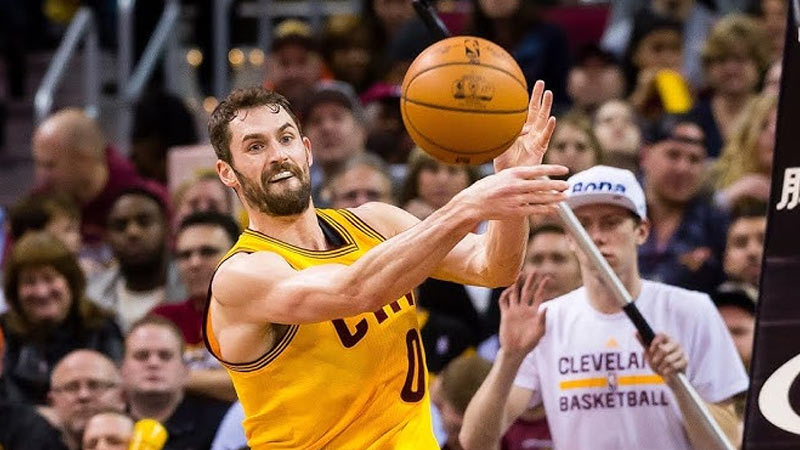
Goaltending in basketball is a rule that prohibits defensive players from interfering with a shot attempt while it is in its downward flight toward the basket.
This rule ensures fairness and maintains the integrity of the game by preventing defensive players from unjustly preventing a legitimate field goal from scoring.
Let’s delve deeper into the concept of goaltending and explore its application in the NBA.
Application of Goaltending
Goaltending is a violation that occurs when a defensive player interferes with a shot attempt that is in the process of a legitimate field goal.
A legitimate field goal refers to a shot that has a reasonable chance of going in if not interfered with.
Once a shot is in its downward flight, it is considered a live ball and should be allowed to reach the basket without defensive interference.
When a defensive player commits goaltending, it means they have touched or blocked the shot after it has reached its apex and is descending towards the basket.
The interference can include touching the ball on its downward trajectory, touching the ball while it is directly above or on the rim, or touching the ball while it is on or within the imaginary cylinder above the rim.
Consequences of Goaltending
If a defensive player commits goaltending, the offensive team is awarded the points for the field goal attempt, as long as the shot still had a chance to go in when it was touched.
This means that the shot is considered successful, regardless of whether it would have naturally gone in or not. The points are credited to the offensive player who attempted the shot.
Goaltending in the NBA
In the NBA, goaltending is a significant aspect of the game, and the league has specific rules and guidelines to regulate and enforce these rules.
NBA referees and officials closely monitor goaltending situations to ensure fair play. Here are some key aspects of goaltending in the NBA:
Touching the Ball on Its Downward Flight
If a defensive player touches the ball while it is on its downward trajectory toward the basket, it is goaltending.
The ball should be allowed to continue its path to determine whether it would have gone through the basket or not.
Touching the Ball Above the Rim
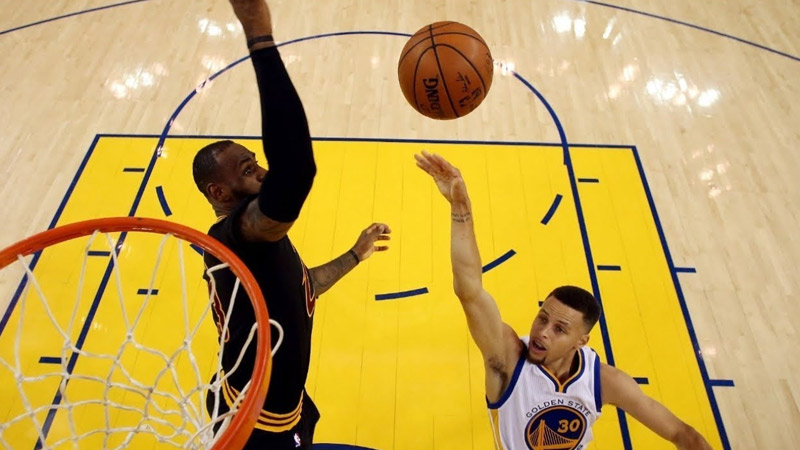
If a defensive player touches the ball while it is directly above the rim on its way down, it is goaltending. Touching it while it sits on the rim is basket interference, which carries the same penalty. The rim and the area directly above it are considered off-limits for defensive interference.
Touching the Ball within the Imaginary Cylinder
The NBA employs the concept of an imaginary cylinder above the rim. If a defensive player reaches into this cylinder and touches the ball while it is on or within it, it is goaltending.
The cylinder extends upwards from the rim and has a diameter equivalent to the diameter of the basket.
Offensive Goaltending
It’s important to note that offensive goaltending also exists in the NBA. Offensive goaltending occurs when an offensive player interferes with a shot while it is in its downward flight or touches the ball while it is on or within the rim.
Offensive goaltending results in the shot being nullified and no points being awarded to the offensive team.
When the Goaltending Rule is Violated?
The goaltending rule is an important aspect of basketball that aims to preserve the integrity of the game and ensure fair play.
It comes into play when defensive players interfere with a shot attempt in certain ways. Let’s explore the specific actions that violate the goaltending rule:
Blocking a Shot on its Downward Flight
If a defensive player touches a shot while it is on its downward trajectory toward the basket and has a chance of going in, it is goaltending.
This occurs when the defender blocks the shot, swats it away, or touches the ball while it is directly above the rim. The purpose of this rule is to prevent defenders from unfairly negating a potentially made basket.
Touching the Ball within the Cylinder
The cylinder is an imaginary area above the rim that extends all the way to the ceiling. If a defensive player reaches into this cylinder and touches the ball while it is still within the cylinder, it is considered goaltending.
This violation interferes with the natural path of the shot and potentially alters its outcome.
Touching the Ball After It Hits the Backboard
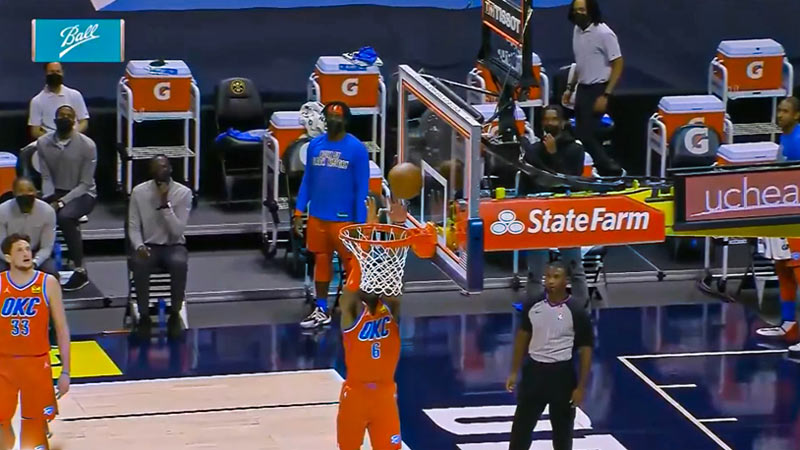
In the NBA, goaltending is also called if a defender touches the ball after it has hit the backboard above the rim and still has a chance to go in, whether the ball is rising or falling.
Blocking a shot while it is still rising toward the rim, before it touches the backboard, is legal. That is why defenders try to reach the ball early.
These violations are intended to maintain fairness in the game by ensuring that shot attempts are allowed to complete their natural trajectory and have a chance to result in points for the offensive team.
Penalties for Goaltending Rule in Basketball
Goaltending is a violation in basketball that occurs when a defensive player interferes with a shot attempt while the ball is on its downward trajectory toward the basket.
When goaltending is called, the offensive team is awarded the points for the field goal attempt, as if the shot had gone in successfully. However, the consequences for the defensive team go beyond just conceding points.
No Foul Is Charged
Goaltending is a violation, so it does not count as a personal foul or a team foul, and no free throws are awarded for it. The only penalty is that the basket counts. If a player is fouled on the same shot, the foul is penalized separately.
Offensive Goaltending Penalty
If an offensive player commits goaltending or basket interference, no points are scored and the defending team is awarded the ball out of bounds.
Difference between Basket Interference and Goaltending in Basketball
While goaltending and basket interference may appear similar, they are distinct violations in basketball. It is important to understand the difference between these two infractions.
Basket interference occurs when a player from either team touches the ball while it is on or within the rim, reaches through the basket from below, or touches the rim or net while the ball is on the rim.
In the NBA, it also includes touching the ball while it is in the imaginary cylinder above the rim.
The penalty depends on who commits it. If a defender commits basket interference, the shot counts. If an offensive player does it, the basket does not count.
The main difference is where the ball is. Goaltending covers a shot on its way down above the rim, while basket interference covers a ball that is already on or inside the rim.
It is a violation that prevents the offensive team from gaining an unfair advantage and ensures that the scoring process remains fair and uncontested.
FAQs
Can goaltending be called on both defensive and offensive players?
Yes. Defensive goaltending awards the points to the shooting team. Offensive goaltending, such as a teammate tipping in a shot that is still on its way down, cancels the basket and gives the ball to the other team.
Is goaltending reviewable through instant replay?
Yes, goaltending situations can be reviewed through instant replay in the NBA to ensure accurate calls are made.
This helps in situations where there is uncertainty regarding whether a violation occurred.
Are there any exceptions to the goaltending rule?
Goaltending applies only to a shot that still has a chance to go in. Once the ball has clearly missed, or before it starts its downward flight, a defender may touch it. FIBA rules also allow players to touch the ball once it has hit the rim, as long as they do not reach into the basket.
Touching a free throw on its way to the basket is also a violation at every level.
Can a blocked shot still be considered goaltending?
No, a clean block that occurs before the ball reaches its apex or starts its downward flight is not considered goaltending.
A defensive player is within their rights to block a shot as long as they do not interfere with the ball while it is on its way to the basket.
Can goaltending be called in all levels of basketball?
Yes, goaltending is a fundamental rule of basketball that applies to all levels of the sport, from youth leagues to professional competitions.
The specific interpretations and enforcement may vary slightly, but the principle remains the same.
Wrapping Up
Goaltending is a critical rule in basketball that ensures fair play and maintains the integrity of the game.
The definition of goaltending, the rules surrounding it, its application in the NBA, penalties for violations, and its distinction from basket interference help players and fans appreciate the dynamics of the sport.
By adhering to the rules and respecting the boundaries set by goaltending, basketball remains an exciting and thrilling game that showcases skill, strategy, and sportsmanship.