Basketball is a sport that features various rules and regulations, and one term that often comes up during games is “bonus.”
If you’re a basketball enthusiast or a player looking to deepen your understanding of the game, this article will provide comprehensive insights into what a bonus in basketball means.
We will explore the bonus rules in different basketball leagues, including the NBA, NCAA, FIBA, college basketball, and high school basketball.
The significance of these bonus rules, their historical context, and any associated controversies will enhance your knowledge of basketball and its gameplay.
What Is a Bonus in Basketball?
A bonus refers to a set of rules that determine free-throw opportunities for teams based on the number of fouls committed by the opposing team.
When a team reaches a specific foul limit within a designated period, such as a quarter or a half, the opposing team is awarded free throws.
The bonus rules vary across different basketball leagues and levels, such as the NBA, NCAA, FIBA, college basketball, and high school basketball.
These rules play a significant role in the flow and strategy of the game, adding excitement and influencing scoring opportunities.
Bonus Rules in Basketball
The term “bonus” in basketball refers to a set of rules that determine free-throw opportunities for teams during a specific period of gameplay.
These rules vary depending on the league or level of basketball being played. Let’s explore the bonus rules in different basketball contexts:
Bonus Rules in the NBA
The NBA calls the bonus the “penalty.” A team goes into the penalty on its fifth team foul in a quarter. From then on, every defensive non-shooting foul sends the fouled player to the line for two free throws.
There is also a late-quarter rule. If a team has fewer than five fouls with two minutes left in a quarter, its second foul in those final two minutes puts the opponent in the penalty. In overtime, the penalty starts on the fourth team foul, or on the second foul in the last two minutes of the period.
The NBA does not use a one-and-one, and “double bonus” is not an NBA term. Team fouls reset at the start of every quarter.
Bonus Rules in NCAA Men’s Basketball
Men’s college basketball plays two 20-minute halves and uses a two-step system:
- Bonus (one-and-one): starting with the opponent’s seventh team foul of a half, the fouled player shoots one free throw. If it goes in, the player shoots a second one. If it misses, the ball is live.
- Double bonus: starting with the tenth team foul of a half, the fouled player shoots two free throws, whether or not the first one goes in.
Team fouls reset at halftime, and overtime periods count as an extension of the second half, so fouls carry over.
Bonus Rules in NCAA Women’s Basketball
Women’s college basketball plays four 10-minute quarters. A team reaches the bonus on its opponent’s fifth team foul of a quarter, and each non-shooting foul after that is worth two free throws. There is no one-and-one, and team fouls reset every quarter.
Bonus Rules in FIBA
Under FIBA rules for international play, each team may commit four team fouls in a quarter without penalty. From the fifth team foul on, every non-shooting defensive foul gives the opponent two free throws. Fouls in overtime count as part of the fourth quarter.
Bonus Rules in High School Basketball
U.S. high school basketball, under NFHS rules, dropped the one-and-one starting with the 2023-24 season. Team fouls now reset each quarter, and the opponent shoots two free throws beginning with the fifth team foul of a quarter. Before that change, high schools used a one-and-one on the seventh foul of a half and two shots on the tenth, the same as men’s college basketball.
The bonus rules in basketball are important for players, coaches, and fans as they directly impact the flow and strategy of the game
Significance of Bonus Rules in Basketball
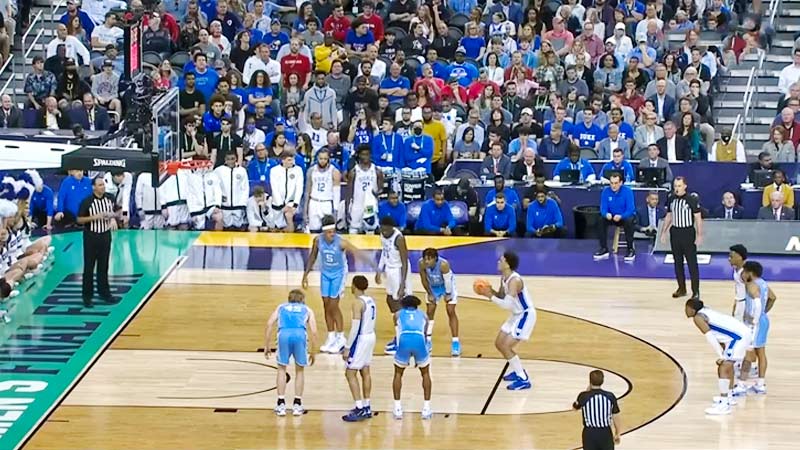
The bonus rules in basketball play a significant role in the flow and strategy of the game. These rules can influence gameplay dynamics, fouling strategies, and scoring opportunities for teams.
The significance of the bonus rules allows players and coaches to make strategic decisions regarding foul management, clock management, and maximizing scoring potential. Let’s explore the importance of the bonus rules in more detail.
Influencing Gameplay Dynamics
The bonus rules have a direct impact on how the game is played. When a team reaches a certain number of team fouls in a given period (quarter or half), they enter the bonus or penalty situation.
This means that any subsequent fouls committed by the defensive team will result in free throws for the offensive team, regardless of the nature of the foul.
This rule encourages offensive aggression and rewards teams that can draw fouls by attacking the basket or creating a contact.
Conversely, the defensive team must be cautious not to commit fouls, as it can put them at a disadvantage by giving the opposing team free scoring opportunities.
The bonus rules, therefore, create a balance between offensive and defensive strategies, as teams need to weigh the risks and rewards of aggressive play and foul management.
Fouling Strategies and Clock Management
The bonus rules also influence fouling strategies and clock management. When a team is trailing late in the game, they may choose to intentionally foul their opponents to stop the clock and force them to earn points from the free-throw line.
This strategy, known as “hacking” or “strategic fouling,” aims to extend the game and create additional scoring opportunities for the trailing team.
Additionally, teams in the bonus can strategically draw fouls by attacking the basket or utilizing plays that put pressure on the defense.
By doing so, they can earn trips to the free-throw line, allowing them to score points without the clock running and potentially closing the gap or maintaining a lead.
Maximizing Scoring Potential
The bonus rules add an element of excitement and tension to the game, as free-throw opportunities can significantly impact the outcome.
Teams in the bonus have an opportunity to score points without any defensive pressure, increasing their chances of adding to their overall score.
Conversely, teams defending against bonus situations must be disciplined and avoid fouling, as it grants their opponents an opportunity to score efficiently.
Free throws also provide a chance for players to showcase their shooting skills and mental composure.
The ability to convert free throws consistently is a valuable asset, as it allows players to contribute to their team’s scoring even when faced with defensive pressure.
History of Bonus Rules in Basketball
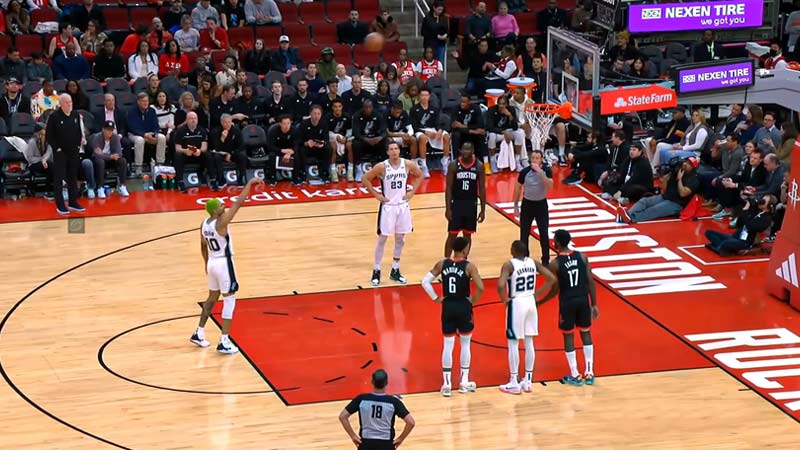
The implementation of bonus rules in basketball dates back several decades. Initially, basketball did not have specific bonus rules, and free throws were awarded for each individual foul committed.
However, as the sport evolved, the introduction of bonus rules brought more structure and consistency to the awarding of free-throw opportunities.
The exact timeline and evolution of bonus rules can vary between different basketball leagues and organizations, but their purpose has remained consistent—to regulate the number of fouls required for free-throw awards and to ensure fairness and competitiveness in the game.
The bonus rules were implemented to prevent excessive fouling and to provide teams with a fair chance to earn free throws.
Controversy With the Bonus in Basketball
As with any aspect of sports, bonus rules in basketball have faced their fair share of controversy. One point of contention revolves around intentional fouling strategies employed by teams trailing in the game.
By deliberately committing fouls, teams can send their opponents to the free-throw line and potentially gain possession without the clock running.
This tactic, known as “hack-a-player,” has sparked debates regarding its impact on the flow and entertainment value of the game.
Critics argue that intentional fouling disrupts the natural rhythm of the game, slows down the pace, and reduces its overall excitement.
They believe that teams resorting to intentional fouling are exploiting a loophole in the rules to gain an unfair advantage.
On the other hand, proponents of intentional fouling argue that it is a legitimate strategy that forces poor free-throw shooters to prove their skills and adds strategic complexity to the game.
To address this issue, various basketball leagues have explored rule changes. Some leagues have introduced provisions such as the NBA’s 2016 change that gives the fouled team one free throw plus possession when a player is fouled away from the play in the last two minutes of any quarter or overtime.
These changes aim to discourage excessive fouling tactics and maintain a more fluid and engaging game for both players and fans.
While the controversy surrounding bonus rules continues, it remains an integral part of basketball’s structure and strategy.
The rules continue to evolve as leagues strive to strike a balance between maintaining fairness and competitiveness while enhancing the overall experience for everyone involved.
FAQs
Can a team reach the bonus in basketball during overtime?
Yes, but how it works depends on the league. In the NBA, the penalty in overtime starts on the fourth team foul of the period. In NCAA men’s basketball, overtime counts as part of the second half, so team fouls carry over. Under FIBA rules, overtime fouls count as part of the fourth quarter.
Can technical fouls contribute to the bonus in basketball?
It depends on the league. In the NBA, technical fouls do not count toward the team foul total. In college and high school basketball, some player technical fouls do count as team fouls.
However, technical fouls may have their separate consequences, such as immediate free throws or possession changes, without affecting the bonus.
Do bonus rules apply to offensive fouls?
Offensive fouls, such as charging or illegal screens, usually still count toward a team’s foul total. However, they do not send the other team to the free-throw line, even when that team is in the bonus. The other team simply gets the ball.
What happens if a player commits a personal foul while in the bonus?
If a player commits a personal foul while their team is in the bonus, the opposing team is awarded free throws on any defensive foul, regardless of the type of foul committed.
Can a team reset their fouls to zero after reaching the bonus?
No, once a team reaches the bonus, their fouls continue to accumulate throughout the designated period. There is no reset to zero until the start of a new period.
End Call
The concept of the bonus in basketball is essential for players, coaches, and fans. The bonus rules dictate the awarding of free throws based on team fouls, adding strategic elements to the game.
By knowing the bonus rules in different basketball leagues and levels, the significance of these rules, their historical context, and any associated controversies, you can enhance your overall understanding and appreciation of the sport.
So, next time you watch a basketball game, pay attention to the bonus and observe how it shapes the course of the game and the strategies employed by teams.