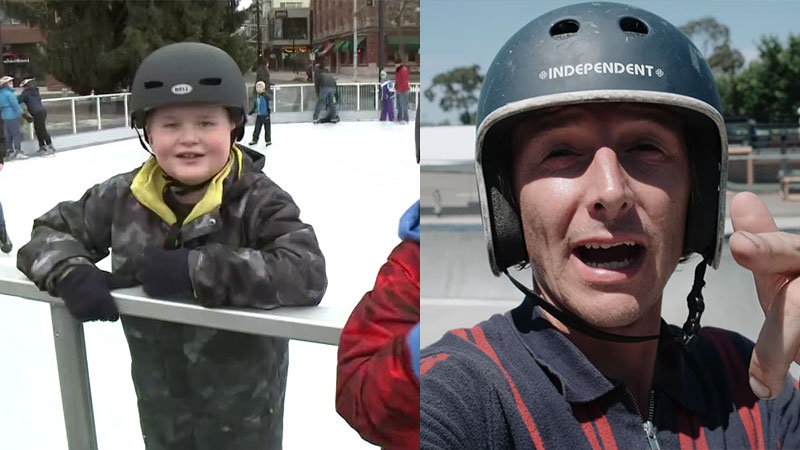
Stepping onto a fresh sheet of ice for the first time is an exhilarating experience. Whether you are taking your children to a local community rink or heading out for a festive winter afternoon with friends, the glide of the blade and the crisp winter air are hard to beat.
However, as any seasoned skater will tell you, the ice is as unforgiving as it is beautiful. For beginners, the primary concern shouldn’t just be learning how to stop—it should be how to protect your most valuable asset: your head.
In the quest for safety, many new skaters look at the gear they already own. If you have a high-quality skateboard helmet sitting in your garage, you might wonder: Is this enough to keep me safe on the ice?
The short answer is yes, but there are critical nuances regarding certifications, fit, and design that you need to understand before you lace up your skates.
As experts in safety gear optimization, we have analyzed the latest standards to provide you with this definitive guide on using skateboard helmets for recreational ice skating.
The Physics of a Fall: Why Ice is Different
Before we dive into the gear, we must understand the “why.” Falling on ice is fundamentally different from falling on grass or even pavement. Ice provides a low-friction surface, which sounds like it might be safer, but the reality is the opposite.
When a skater loses their balance, their feet often slide out from under them, leading to a rapid, horizontal “slip-out” where the back of the head is the most likely point of impact.
The Multi-Impact Reality
Unlike a high-speed bicycle crash, which often involves a single, massive kinetic energy transfer, skating falls are often multiple-impact events. You might clip your knee, then your shoulder, and finally your head.
According to safety guidelines, skateboard helmets are specifically engineered to protect against these types of multiple impacts. This makes them a naturally strong candidate for the rink.
Why Skateboard Helmets Excel on the Ice?
While many people reach for a bicycle helmet as their default head protection, the sources indicate that skateboard helmets are often superior for the ice environment. Here is a breakdown of why the geometry and construction of a skate helmet offer a distinct advantage:
Superior Rear-Head Coverage
Skateboard helmets are designed with a “pudding bowl” shape that extends significantly further down the back of the skull than a traditional road-cycling helmet.
Because the most common beginner fall on the ice is the “rear-ward slip,” having that extra layer of polycarbonate and foam at the base of your head is vital.
The “Catch” Factor
Bicycle helmets are often designed with aerodynamic vents and elongated, “pointy” rear sections. While great for wind resistance on a bike, these protrusions can actually be a liability on the ice.
If you fall while wearing a helmet with sharp angles, those angles can “catch” on the ice, causing your neck to jerk or twist. Skateboard helmets feature a rounder shape that is much less likely to catch, allowing you to slide more safely during a fall.
The Gold Standard: Understanding ASTM F1492
Not all “skate-style” helmets are created equal. To ensure you are meeting Fortune 500-level safety standards, you must look past the aesthetic and check the inner liner for specific certifications.
ASTM F1492 (The Skate Standard)
For recreational ice skating, the ASTM F1492 certification is your benchmark for maximum safety. This standard ensures the helmet can withstand the repeated, multi-directional impacts common in skating.
If your helmet only carries a CPSC (cycling) sticker, it is designed for a single major impact and may not offer the same resilience on the ice.
ASTM F1849 (The Speed Skating Standard)
While F1492 is the standard for the casual skater, those looking into competitive or high-speed skating should look for ASTM F1849. This is a more specialized certification tailored to the unique risks of high-velocity ice sports.
Comparing the Contenders: Hockey vs. Skateboard vs. Ski
When you walk into a pro shop, you’ll see a variety of headwear. How does the skateboard helmet stack up against the competition?
| Helmet Type | Best Use Case | Impact Design | Cold Protection |
|---|---|---|---|
| Hockey Helmet | Competitive Ice/Hockey | Ice-specific / Multi-impact | Moderate |
| Skateboard Helmet | Beginners / Multi-sport | Multi-impact | Low |
| Ski/Snowboard | Outdoor Rinks / Alpine | Single/Multi-impact | High |
The Hockey Comparison
It is important to note that a hockey helmet is the only piece of gear designed specifically for the physics of ice and the presence of pucks or sticks.
However, for a beginner or a recreational skater who is simply looking to stay safe while learning the ropes, a multi-sport or skateboard helmet is a highly suitable alternative.
The Critical Element: Achieving the Perfect Fit
A helmet is only as good as its fit. You could have the most expensive ASTM-certified helmet on the market, but if it shifts during a fall, it will not protect you.
The Golden Rules of Helmet Fit:
- No Wiggle Room: The helmet should sit level on your head and not rock side-to-side or front-to-back. A loose helmet may not offer adequate protection.
- The Two-Finger Rule: The front of the helmet should sit about two finger-widths above your eyebrows to protect your forehead.
- The “V” Shape: The side straps should form a clean “V” shape just under your ears.
- The Chin Strap: When you open your mouth wide, the helmet should pull down slightly on your head. If it doesn’t, the strap is too loose.
Addressing the “Cold” Factor
One “gap” in using skateboard gear for winter sports is temperature regulation. Skateboard helmets are designed for summer use and feature ventilation meant to keep you cool. Consequently, they may be less warm than dedicated ski or snowboard helmets.
Pro-Tip for the Rink: If you find yourself getting cold, do not wear a thick, pom-pom beanie under your helmet. This will ruin the fit and compromise safety.
Instead, look for a thin, moisture-wicking “skull cap” or a thermal helmet liner specifically designed to fit under safety gear without adding bulk.
When to Replace Your Gear
Safety gear has a shelf life. Even if your skateboard helmet looks fine on the outside, you should consider a replacement if:
- It has taken a significant hit: Even multi-impact helmets have limits. If you have a hard fall where your head hits the ice, inspect the foam for cracks.
- It is over 5 years old: The materials used in helmets can degrade over time due to UV exposure and temperature fluctuations.
- The foam is separating: If the inner EPS or EPP liner is pulling away from the outer shell, the integrity is compromised.
Frequently Asked Questions (FAQ)
Q: Can I use a bike helmet for ice skating if I don’t have a skateboard helmet?
A: While any helmet is better than no helmet, bike helmets are not ideal for ice because their shape can “catch” on the surface, and they are usually designed for a single impact rather than the multiple impacts common in skating.
Q: Is a skateboard helmet safe for my toddler on the ice?
A: Yes, provided it fits securely. For very young children, the rear-head coverage of a skateboard helmet is especially beneficial as they are more prone to falling backward.
Q: Do I need a cage or face shield?
A: For recreational skating, a cage is usually not necessary. However, if you are participating in a “stick and puck” session or beginner hockey, a full hockey helmet with a cage is required.
Conclusion: Safety First, Fun Second
Choosing the right protection shouldn’t be a barrier to enjoying the ice. If you are a beginner looking for a safe, cost-effective way to get started, your ASTM F1492 certified skateboard helmet is an excellent choice.
It offers the rear-head coverage and multi-impact durability you need to build your confidence on the blades.
Before you head to the rink, take five minutes to check your certification and adjust your straps. A well-fitted helmet is the best insurance policy for a day of winter fun.
Ready to hit the ice? If you’re still unsure about your gear, we can create a custom checklist for your specific helmet model or generate a report on the best ice-skating rinks in your area that prioritize skater safety. Just ask!