Choosing the right treatment for your baseball glove is one of the most critical decisions a player can make.
A high-quality leather glove is more than just equipment; it is an investment that requires specific maintenance to ensure it performs at its peak and lasts for several seasons.
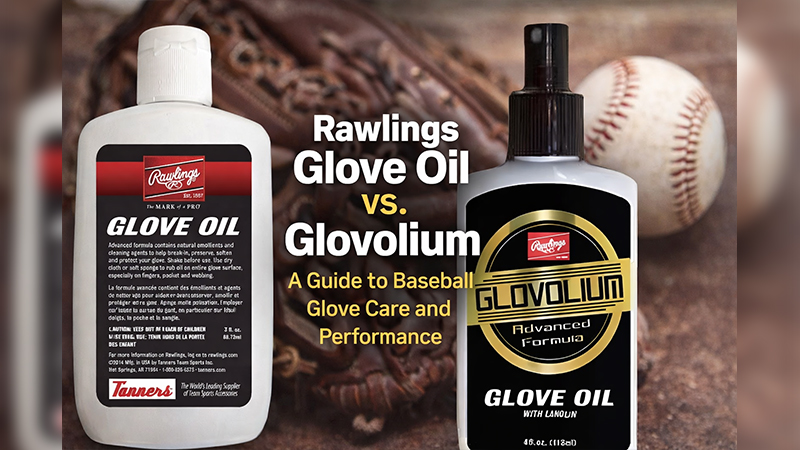
In the world of glove maintenance, Rawlings Glovolium has emerged as a premier choice, often sparking a debate: should you use a standard glove oil or the specialized Glovolium formula?
This comprehensive guide explores the differences, benefits, and application techniques for these products, drawing on specialized insights to help you maintain a “game-ready” glove.
Understanding the Core: What is Rawlings Glovolium?
To understand the difference between standard oils and Glovolium, we must first look at what makes Glovolium unique. Rawlings Glovolium is a liquid, non-petroleum, and non-toxic, lanolin-based glove oil.
Unlike many generic oils that rely on heavy chemicals or petroleum byproducts, Glovolium uses lanolin as its primary active ingredient.
Lanolin is a natural substance derived from sheep’s wool, which is highly effective at mimicking the natural oils found in cattle hide. This makes it exceptionally compatible with high-end glove leather.
The primary purposes of Glovolium include:
- Cleaning: Removing surface dirt that can abrade leather fibers.
- Preserving: Maintaining the structural integrity of the hide.
- Softening: Breaking down the stiffness of new leather.
- Speeding up the Break-in: Helping players get their gloves from the shelf to the field faster.
Glovolium vs. Standard Glove Oils: The Main Differences
While the terms are often used interchangeably, there are distinct differences in how Glovolium performs compared to traditional glove oils.
Formulation and Safety
Standard glove oils often contain petroleum distillates. While these can soften leather quickly, they can also break down the fibers over time if used excessively.
Glovolium’s non-petroleum and non-toxic formula ensures that you aren’t introducing harsh chemicals into the leather or onto your skin.
Weight and Feel
One of the biggest complaints players have with traditional oils is that they can make a glove feel “heavy” or “waterlogged.”
They note that Glovolium is generally preferred because of its light and easy-to-apply formula. It penetrates the leather to soften it without leaving the thick, gummy residue often associated with lower-quality oils.
Delivery Method
Glovolium typically comes in a spray bottle, which allows for a more controlled application than traditional pour-style oil bottles. This helps prevent the common mistake of “pouring” oil directly onto the glove, which often leads to uneven saturation.
The Science of the Break-In: How Glovolium Works
The “break-in” period of a glove is the process of making the leather pliable enough to close easily while maintaining the “pocket” shape. Glovolium speeds this up by lubricating the internal fibers of the leather.
When you apply this lanolin-based formula, it seeps into the pores of the hide. As you play catch or work the glove by hand, these lubricated fibers slide against each other more easily, allowing the leather to form to your hand’s specific closing pattern.
While Glovolium is excellent for softening, it is important to remember that it will often darken the leather slightly. This is a natural reaction of the leather absorbing the moisture and is generally considered a sign that the oil is working.
Step-by-Step: The Professional Way to Apply Glovolium
Many players make the mistake of spraying the oil directly onto the leather in large quantities. To get the best results and avoid damage, follow this recommended technique:
- Preparation: Ensure the glove is dry and free of large clumps of dirt.
- The Cloth-First Method: It is highly recommended to apply a small amount of Glovolium onto a cloth rather than spraying the glove directly.
- Rubbing it In: Use the cloth to rub the oil into the leather in a circular motion. Focus on the palm, the hinges, and the pocket where the most flexibility is needed.
- Targeted Spraying: If you have specific stiff areas (like the laces or the finger tops), you can use the spray bottle for a more directed application.
- Wipe Away Excess: After the application, take a clean part of the cloth and wipe away any oil that hasn’t been absorbed to prevent the glove from becoming greasy.
Maintenance Frequency: The “Less is More” Philosophy
One of the most vital insights regarding glove care is the frequency of use. Over-oiling is the fastest way to ruin a high-quality glove.
They recommend that Glovolium should be used sparingly. Specifically, during the baseball season, an application once a month is usually sufficient.
Why use it sparingly?
- Avoid Over-Saturation: If you use too much oil, the leather becomes “dead” or “mushy,” losing the stiffness required to keep the ball from popping out of the pocket.
- Weight Management: Excess oil adds physical weight to the glove, which can slow down a player’s reaction time in the field.
- Health of the Leather: You want to keep the leather soft and healthy, not soaked.
Glovolium vs. Leather Balms: When to Choose Which?
While Glovolium is a fantastic tool for breaking in and “waking up” a dry glove, it isn’t always the best choice for every situation.
Leather Balms (like Rawlings Gold Butter or other conditioners) are often better suited for long-term care. Balms are typically thicker and designed to sit on the surface longer to provide a barrier against the elements.
- Use Glovolium when: You are breaking in a new glove or need to restore a glove that has become significantly dry and stiff.
- Use Leather Balm when: You want to prevent leather from becoming dry over a long period or for off-season storage.
Conclusion: Protecting Your Game
In the battle of Rawlings Glove Oil vs. Glovolium, Glovolium stands out as the superior choice for players looking for an effective, lightweight, and safe solution for leather maintenance.
By using a lanolin-based formula and following a disciplined, cloth-first application method, you can ensure your glove remains soft and healthy without the risks of over-saturation or chemical damage.
Remember: a glove is only as good as the care you give it. Treat it once a month with Glovolium, focus on the high-stress areas, and you will have a piece of equipment that performs as hard as you do on the field.