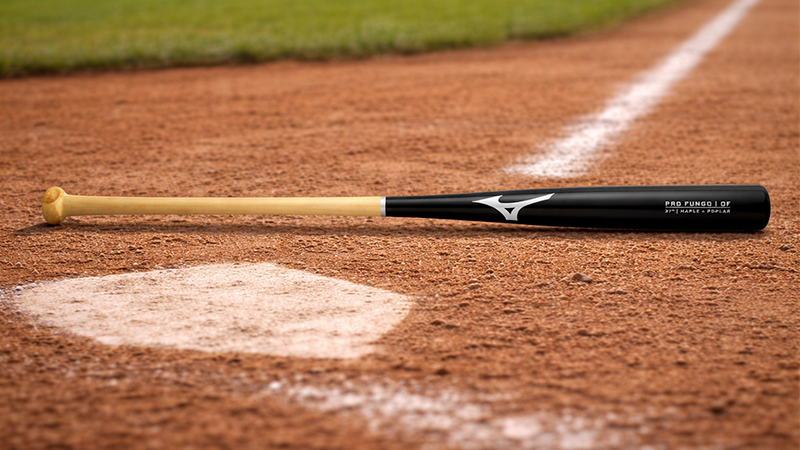
In the high-stakes world of competitive baseball and softball, the difference between a championship-caliber defense and a mediocre one often comes down to the quality of repetitions.
For coaches, the most critical instrument in delivering those repetitions isn’t a high-tech pitching machine or a digital sensor—it is the fungo bat.
While it may look like a traditional bat to the untrained eye, the fungo is a highly engineered precision instrument designed specifically to enhance coaching efficiency and player development.
This comprehensive guide serves as the definitive resource for understanding the fungo bat, from its historical roots to the technical specifications that make it a “game-changer” on the practice field.
Understanding the Fungo: More Than Just a Name
What is a Fungo Bat?
At its core, a fungo is a specialized bat designed for coaches to hit ground balls and fly balls during practice with maximum control and minimal physical strain.
Unlike a regulation game bat, which is built to withstand the high-velocity impact of a 90-mph fastball, a fungo is optimized for hitting balls tossed into the air by the coach.
The Etymology of “Fungo”
The origin of the term “fungo” is a subject of historical intrigue. One of the most prominent theories traces the name back to the Scottish verb “fung,” which translates to “to pitch, toss, or fling.”
Given that early Scottish games often involved hitting tossed objects with sticks, this linguistic connection highlights the fungo’s long-standing tradition as a tool for “tossed” play rather than “pitched” play.
The Anatomy of Precision: Technical Specifications
To understand why a fungo is indispensable, one must look at the data-driven design that separates it from game-day lumber.
Dimensions and Weight Ratios
A standard game bat for adult players typically features a barrel diameter of at least 2½ inches and weighs between 31 and 34 ounces. Using such a heavy tool for an entire practice session leads to rapid coach fatigue and a loss of hitting accuracy.
The fungo solves this through a radically different physical profile:
- Length: Most fungos range from 32 to 36 inches in length. A longer bat provides a larger “arc” and better leverage for hitting fly balls to the deep outfield.
- Weight: They typically weigh between 18 and 24 ounces.
- Barrel Diameter: A slimmer 2¼-inch barrel is standard, which contributes to the lighter weight while allowing for more “whip” through the zone.
- The “Drop Weight”: The most popular fungos utilize a -14 drop weight (length minus weight equals 14). For example, a 34-inch bat would weigh approximately 20 ounces. Heavier models, often used for infield drills or softball, may use a -12 drop weight.
Why “The Drop” Matters
These drop weights are not arbitrary; they are based on decades of woodcraft experience to find the perfect equilibrium between swingability and durability.
A bat that is too light will lack the “pop” to reach the fence, while one that is too heavy defeats the purpose of reducing coach exhaustion.
Material Science: Why Wood Still Reigns Supreme
While aluminum and composite materials have taken over the game-day market, wood remains the gold standard for fungos. The reason is simple: control.
Wood provides the tactile feedback necessary for a coach to “place” a ball exactly where it needs to go—whether that is a high-arching “can of corn” to a left fielder or a “screaming” one-hopper to a shortstop.
The Case for Birch
Among wood types, Birch has emerged as the preferred material for professional-grade fungos. Birch offers a unique structural middle ground:
- Flexibility: It has a surface hardness similar to Maple but retains the flexibility of Ash.
- Durability: It is less prone to “flaking” than Ash, making it a long-lasting investment for a coach’s gear bag.
- Performance: It provides a balanced feel that maximizes “swingability,” allowing for hundreds of reps without the “stinging” sensation often found in lower-quality woods.
Choosing the Right Model for Your Coaching Style
Not all coaches have the same needs. Selecting a fungo is a personal decision that should align with your physical comfort and the specific drills you run.
1. The Coach’s Fungo: For Maximum Comfort
This is the most popular choice by a significant margin (often cited at a 4:1 ratio over other models).
- Key Feature: It features a flared handle with no defined knob.
- Ideal Persona: Younger coaches or those who prefer a smooth transition at the base of the hand. This design prevents the hands from “banging” against a traditional knob during the follow-through, which can prevent blisters and bruising over a long season.
2. The Pro Fungo: The Traditionalist’s Choice
- Key Feature: A traditional button-style knob.
- Ideal Persona: “Old-school” coaches who are accustomed to the feel of a standard game bat. This model is also highly recommended for coaches whose hands tend to get sweaty; the defined knob provides a physical stop that prevents the bat from flying out of the hands during a vigorous swing.
3. The Infield/Softball Fungo: For Power and Utility
- Key Feature: A thicker middle and a -12 drop weight (making it slightly heavier than standard models).
- Ideal Persona: Specifically designed for infield drills where “extra oomph” is required to simulate hard-hit grounders. Due to the increased weight and durability, it is also the premier choice for softball coaches, as the heavier softball requires a sturdier bat to achieve the necessary distance and velocity.
Professional Techniques: Hitting “Like a Boss”
Owning the tool is only half the battle; mastering the “fungo swing” is what separates elite coaches from the rest.
The Self-Toss Method
The fungo is strictly designed for balls tossed into the air by the hitter. Most coaches hold the ball in their non-dominant hand, toss it upward, and then quickly bring both hands together on the bat to execute the swing.
Drill-Specific Hitting Tips
- Hitting Ground Balls: Focus on the swing at the ball, not the ground. Maintain proper form to ensure the ball has a consistent “roll” that allows infielders to work on their footwork and glove positioning.
- Hitting Pop-Ups: Accuracy is paramount here. Coaches must keep a steady eye on the ball throughout the toss and contact phase to ensure the fly ball reaches the intended outfielder without drifting into “no-man’s land.”
Safety Warning: Game Use
It is critical to remember that fungo bats are not legal for game use. Their light and thin construction is not designed to handle game-speed pitching. Attempting to hit a 70+ mph pitch with a fungo will almost certainly result in the bat shattering, posing a significant safety risk to the batter and catcher.
Customization and Maintenance: Protecting Your Investment
A high-quality wood fungo is an investment in your coaching career. Proper care ensures it remains a “reliable companion” for years.
To Tape or Not to Tape?
Taping the handle is a personal preference, but it offers two distinct advantages:
- Grip and Control: Tape (such as athletic tape, hockey tape, or cushioned Lizard Skin) helps keep the bat straight in the hands and provides extra cushion.
- Durability: Some coaches view taping as “armor” for the bat, helping to protect the wood from moisture and minor abrasions.
Personalization
Modern manufacturing allows coaches to fully customize their tools. From custom colors for the barrel and handle to laser-engraved logos and names, a personalized fungo serves as a mark of professional pride.
Enhanced FAQ: Expert Insights for Coaches
Q: Is a 34-inch fungo the right size for me?
A: While 34 inches is the most popular length, the “proper” length is subjective. If you typically use a 32 or 33-inch game bat, a 34-inch fungo is an excellent starting point. Longer bats (35-36″) are generally better for coaches primarily hitting to the outfield.
Q: Can I use a baseball fungo for softball practice?
A: Yes, but it is highly recommended to use the Infield Fungo model. It’s -12 drop weight and a thicker middle provide the necessary durability to handle the heavier mass of a softball without breaking.
Q: Why shouldn’t I just use an old aluminum bat for fungo work?
A: While you can, you lose the precision and weight advantages. Aluminum bats are often heavier and lack the specific “feedback” of a wood fungo, making it much harder to hit consistent “fungo-style” grounders and pop-ups.
Q: How do I prevent my wood fungo from breaking?
A: Beyond avoiding game-speed pitches, ensure you are hitting the ball on the “sweet spot” of the barrel. Taping the handle can also provide some structural reinforcement against minor impacts.
Conclusion: Investing in Defensive Excellence
The fungo bat is more than just a piece of wood; it is a catalyst for purposeful practice. By utilizing a tool that reduces fatigue and increases accuracy, coaches can provide their players with the high-volume, high-quality repetitions needed to master the art of fielding.
Whether you are a seasoned “old-school” pro or a new coach looking to make your mark, choosing the right fungo—be it a flared-handle Coach’s model or a heavy-duty Infield version—will transform your training sessions. Make every swing count, and watch as your players develop into the finest fielders in the league.