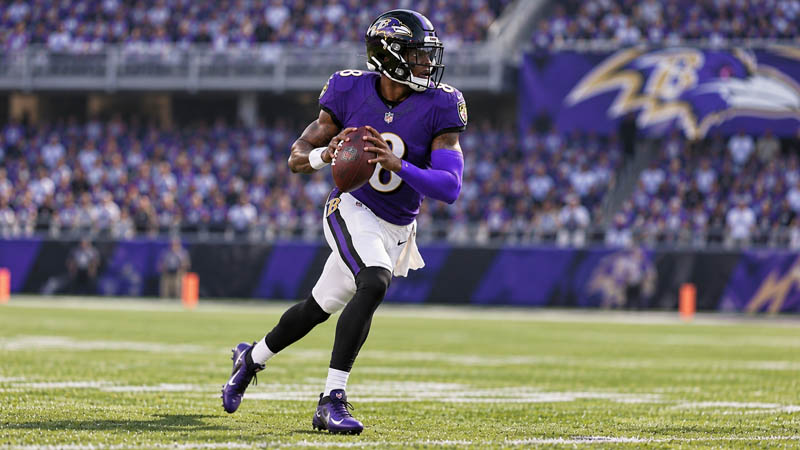
In the modern landscape of professional football, every piece of equipment worn on the gridiron is subjected to intense scientific scrutiny and engineering design.
While casual observers might view the sleek sleeves covering the arms and legs of NFL players as a simple aesthetic preference, these garments represent a sophisticated fusion of physiology, textile engineering, and injury prevention.
From grueling summer training camps to freezing winter playoff matchups, compression sleeves have transitioned from optional accessories to vital tools for elite athletes.
Understanding why professional football players wear these garments requires looking past the surface level to analyze the biological and mechanical advantages they provide during sixty minutes of high-impact play.
1. The Circulatory Science: Venous Return and Blood Flow Optimization
The primary physiological mechanism behind the widespread adoption of compression garments lies in their capacity to optimize the cardiovascular system under extreme physical exertion.
During a fast-paced football game, skeletal muscles require a continuous, rapid supply of oxygen-rich blood to maintain peak power output and prevent premature fatigue.
The Mechanics of Graduated Compression
Compression sleeves are designed to apply external pressure to the limbs. This pressure is typically graduated, meaning it is tightest at the extremity (such as the wrist or ankle) and gradually decreases as it moves closer to the torso. This physical pressure plays an important role in facilitating blood flow.
- Venous Compression: Unlike arteries, which rely on the pumping power of the heart to distribute blood throughout the body, veins rely on muscle contractions and one-way valves to return deoxygenated blood back to the heart. The tight, specialized fabric of compression sleeves gently squeezes the superficial veins. This narrowing of the vein walls increases the velocity of blood flow, allowing deoxygenated blood to return to the heart and lungs more rapidly.
- Enhanced Oxygen Delivery: By accelerating the rate of venous return, the cardiovascular system can re-oxygenate blood and recirculate it to active muscle groups more efficiently. This ensures that the heavy demands placed on a player’s quadriceps, calves, biceps, and forearms are met with a consistent supply of oxygen and essential nutrients, preserving explosive athletic capacity throughout the entire four quarters.
Mitigating Swelling and Accelerating Active Recovery
The benefits of enhanced circulation are not confined to active play. Football players experience significant physical trauma during every game, leading to localized inflammation and fluid accumulation in their muscles and joints.
Professional sports recovery equipment analyses indicate that compression arm and leg sleeves are highly effective in managing the physiological aftermath of intense exertion.
The localized external pressure helps to limit the accumulation of fluid in the interstitial spaces of the limbs.
According to sports rehabilitation experts, the primary benefits of incorporating compression sleeves into an athlete’s regimen include improved circulation, accelerated muscular recovery, decreased systemic inflammation, and active pain management.
By mitigating swelling immediately after impact, players can preserve their range of motion and reduce the overall downtime required between practices and games.
2. Muscle Stabilization: Dampening Oscillation to Prevent Fatigue
Every step an NFL player takes on the field—whether it is a wide receiver running a precise route, a running back cutting sharply to find a lane, or an offensive lineman bracing against a heavy bull-rush—subjects their musculoskeletal system to immense shockwaves.
The Phenomenon of Muscle Oscillation
When a player’s foot strikes the turf, or when they absorb a physical collision, a kinetic wave of energy travels through their limbs.
This wave causes the surrounding skeletal muscles to vibrate or oscillate. While muscle oscillation is natural, it has a hidden physiological cost:
- Micro-Tears: The repetitive lateral movement of muscle fibers during oscillation creates microscopic tears in the tissue. These micro-tears are a primary driver of delayed onset muscle soreness (DOMS) and post-game stiffness.
- Energy Waste: To counteract lateral movement and maintain stability, the central nervous system must constantly send minor signals to the muscles to contract and correct their position. This constant micro-adjustment drains valuable energy reserves, leading to accelerated muscle fatigue during long drives.
Minimizing Muscular Vibration
Compression sleeves act as a stabilizing external sheath for the muscles, securing them firmly in place.
By wrapping the biceps, triceps, quadriceps, or calves in structured, high-tension fabric, the sleeves limit the physical vibration that occurs upon impact.
With the reduction of muscle oscillation, players experience far fewer micro-tears in their soft tissues. This mechanical stabilization preserves muscle integrity, allowing athletes to maintain their speed, agility, and overall power output late into the second half while significantly cutting down on post-game soreness.
3. Advanced Physical Protection: Turf Burns, Cuts, and Impacts
While the biological benefits of compression sleeves operate quietly beneath the skin, the physical protection they offer is immediately apparent on every play.
The modern NFL playing surface is a hostile environment, characterized by abrasive turf, hard plastic pads, and sharp fingernails.
       [ KINETIC STRESSORS ]              [ PROTECTIVE MECHANISMS ]
  ┌───────────────────────────────┐      ┌───────────────────────────────┐
  │  Artificial Turf Friction     ├─────►│ Durable Synthetic Fabric      │
  │  (Scrapes & Turf Burns)       │      │ (Physical Barrier)            │
  └───────────────────────────────┘      └───────────────────────────────┘
  ┌───────────────────────────────┐      ┌───────────────────────────────┐
  │  Opponent Contact             ├─────►│ Shielding Action              │
  │  (Fingernail Scars & Cuts)    │      │ (Prevents Open Wounds)        │
  └───────────────────────────────┘      └───────────────────────────────┘
  ┌───────────────────────────────┐      ┌───────────────────────────────┐
  │  High-Velocity Collisions     ├─────►│ Integrated Impact Fabric      │
  │  (Blunt Force Trauma)         │      │ (Disperses Kinetic Energy)    │
  └───────────────────────────────┘      └───────────────────────────────┘
The Battle Against Turf Burns
A significant portion of modern NFL games are played on synthetic turf. While artificial grass provides excellent durability and consistent footing in all weather conditions, it is highly abrasive.
When a player slides, dives, or is tackled onto synthetic turf, the friction between their bare skin and the plastic blades generates intense heat, scraping away the top layers of skin.
These turf burns are painful, slow to heal, and highly susceptible to staph and MRSA infections in locker room environments.
Compression sleeves provide a tough, second-skin barrier that absorbs the friction of the slide, protecting the underlying skin from raw scrapes and burns.
Defending the Trenches
For offensive and defensive linemen, the game is won or lost in a tiny, high-impact zone known as the trenches. On every single play, these athletes engage in violent, hand-to-hand combat to control the line of scrimmage.
- Preventing Cuts and Scratches: During these close-quarters battles, helmets, face masks, pads, and long fingernails frequently claw at a player’s exposed arms. Bare skin is easily sliced and scraped under these conditions. Wearing durable compression sleeves prevents these minor but irritating fingernail scratches and cuts from opponents, keeping players free from open wounds that could sideline them for medical treatment.
- Limiting Secondary Infections: By maintaining skin integrity, sleeves prevent sweat, dirt, and bacteria from entering the bloodstream, serving as an important first line of defense against infectious pathogens.
Impact Dispersal and Cushioning
Leading athletic wear manufacturers have integrated advanced protective materials directly into their compression gear. Rather than relying solely on thin synthetic blends, many modern sleeves incorporate targeted, low-profile padding.
According to product development data from major manufacturers, including Under Armour, these sleeves are specifically engineered to help lighten the impact of heavy tackles, hard falls, sliding against artificial turf, and high-velocity collisions on the field.
The specialized foam or polymer pads embedded within the sleeves absorb a portion of the kinetic energy from a hit, dispersing it across a larger surface area and reducing the severity of deep muscle bruises and contusions.
4. Thermoregulation: Managing Micro-Climates in Extreme Weather
NFL games are played across a vast array of climates, ranging from the humid, early-season heat of Miami to the sub-zero, late-season winds of Green Bay.
To perform at an elite level, an athlete’s body must maintain a stable core temperature. Compression sleeves assist in this thermoregulatory process through advanced material science.
Heat Retention on the Cold Sideline
In cold weather, the body’s natural defense mechanism is to constrict peripheral blood vessels to keep warm blood centered around the vital organs. While this protects the core, it leaves the limbs cold, stiff, and prone to injury.
- Preventing Muscle Stiffness: When players sit on the bench between offensive and defensive drives, their muscles quickly cool down and stiffen, increasing the risk of muscle strains and ligament tears when they return to the field.
- Trapping Heat: High-quality compression sleeves are constructed to trap body heat close to the skin, keeping the muscles in the arms and legs warm, loose, and ready to react instantly to sudden, explosive movements.
Moisture Management in the Sweltering Heat
Conversely, playing in high-temperature environments poses the risk of overheating and dehydration. Heavy cotton or standard fabrics absorb sweat, becoming heavy, wet, and uncomfortable.
To combat this, modern compression garments are crafted from highly technical, synthetic fiber blends designed for moisture transport.
These advanced sweat-wicking materials rapidly pull perspiration away from the skin’s surface and draw it to the outer layer of the fabric, where it can evaporate quickly in the open air.
This cooling process keeps the player dry, comfortable, and protected from heat exhaustion, preventing the heavy, water-logged feeling that degrades athletic agility.
5. The Psychological Advantage: Proprioception and Confidence
In professional sports, physical capabilities are heavily influenced by mental readiness. NFL players often describe the mental boost they receive from wearing coordinated, high-performance gear.
Enhancing Proprioception
Proprioception is the body’s subconscious ability to sense its own position, movement, and orientation in space. It is what allows a wide receiver to know exactly where their feet are relative to the sideline while keeping their eyes locked on an incoming pass.
The constant, gentle pressure applied by a compression sleeve stimulates the cutaneous sensory receptors in the skin. This sensory feedback loop provides the central nervous system with real-time data regarding the limb’s exact movement and position.
By improving spatial awareness and joint positioning, compression sleeves help athletes execute complex, high-speed movements with greater precision and confidence.
The “Uniform Effect”
There is a powerful psychological component to athletic wear. When players put on gear that looks professional, fits perfectly, and feels like armor, it triggers a shift in mental focus.
Feeling physically secure and structurally supported allows players to play with a higher degree of aggression and confidence, knowing their limbs are protected from the minor scrapes, cuts, and vibrations that naturally accumulate over the course of a game.
Conclusion
The prominent presence of compression sleeves on NFL fields is a testament to their multi-faceted utility. What began as a visually striking trend has proven to be a highly functional asset for elite football players.
By combining the physical protection of durable fabrics with the cardiovascular benefits of improved venous return and the physical stabilization of active muscle groups, compression sleeves have earned their place as essential gear.
They offer players a legal, physical edge—helping them run faster, hit harder, recover quicker, and stay safe from the structural hazards of the modern playing field.
Whether you are an elite professional playing under Sunday night lights or an amateur athlete looking to protect your body during weekend matchups, adopting compression technology is a scientifically sound way to elevate your performance, guard against injury, and speed up your recovery.