The modern NFL combines elite athleticism, complex strategy, and extraordinary physical contact. Players weighing more than 200 pounds can collide at speeds exceeding 20 miles per hour, making protective equipment essential.
Helmets, shoulder pads, and specialized padding are engineered to absorb enormous forces and protect vulnerable areas. Yet one of the most important pieces of protective gear is surprisingly small: the mouthguard.
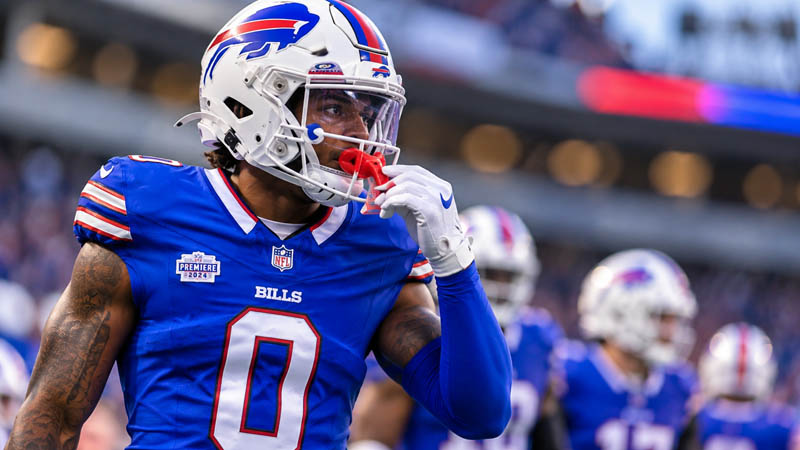
During games, many NFL players can be seen chewing on their mouthguards, removing them between plays, or letting them hang from their facemasks. Despite the sport’s intensity, the NFL does not require players to wear mouthguards.
This differs from youth, high school, and college football, where mouthguard use is generally mandatory.
1. The Biomechanics of Impact: How Mouthpieces Protect Athletes
American football exposes athletes to frequent, high-force collisions, making protection of the mouth and jaw especially important. While helmets protect the skull, mouthguards help shield the teeth, lips, tongue, cheeks, and jaw through several key mechanisms.
Preventing Dental Injuries:
During tackles or falls, the upper and lower teeth can collide with tremendous force, causing chips, fractures, or even tooth loss. A properly fitted mouthguard creates a cushioning layer between the dental arches, reducing direct tooth-to-tooth contact and absorbing part of the impact.
Protecting Soft Tissues:
The lips, tongue, and cheeks can be seriously injured when the jaw closes suddenly during contact. Without protection, teeth may cut or puncture these tissues. A mouthguard covers the biting surfaces and creates a smooth barrier, helping reduce lacerations and painful bites.
Cushioning the Jaw:
Mouthguards also provide cushioning around the mandible and temporomandibular joints. By slightly separating the upper and lower teeth, they can help distribute forces generated by impacts to the chin or jaw. This cushioning may reduce stress transmitted through the jaw and surrounding structures.
2. The Regulatory Paradox: Why Doesn’t the NFL Require Mouthguards?
To many casual fans, it may come as a surprise that the NFL does not require players to wear mouthguards. In a league that strictly regulates equipment, uniforms, and even sock lengths, protecting the teeth remains largely a matter of personal choice.
This differs from college and high school football. The NCAA and NFHS require players to wear mouthguards during competition, with rules often requiring them to be visibly colored so officials can easily confirm compliance. Players who fail to follow these equipment requirements may face penalties.
Respect for Player Autonomy
The NFL’s approach reflects the greater autonomy given to professional athletes. Players are adults operating under a collective bargaining agreement, and equipment choices can be influenced by comfort, breathing, communication, and personal preference.
Custom mouthguards are particularly individualized, making a universal requirement less straightforward.
Access to Custom Dental Protection
NFL players also have access to professional medical and dental resources, including custom-fit mouthguards designed specifically for their teeth.
Many players voluntarily wear them because they understand the risks of collisions, including broken teeth, cuts, and costly dental procedures. As a result, the league has historically relied more on player choice than mandatory mouthguard use.
3. The Performance Bottleneck: Breathing, Communication, and the “Dangle”
If mouthguards are so vital for physical safety, why do we constantly see players spitting them out or letting them dangle from their helmets? The answer lies in the intense physical and communicative demands of professional football.
The Oxygen Barrier
An NFL play is an explosive, short-duration burst of maximum physical exertion. Following this exertion, players must quickly recover their breath to prepare for the next play. Standard mouthpieces, particularly thicker or poorly fitted varieties, can restrict the airway.
When an athlete is operating at or near their maximum oxygen consumption, any restriction in airflow can feel suffocating. Players often spit their mouthguards out immediately after the whistle blows to maximize their inhalation of oxygen, allowing them to recover faster between downs.
                  THE PERFORMANCE VS. PROTECTION TRADE-OFF

     +----------------------------------------------------------------+
     |                       MAXIMUM PROTECTION                       |
     |  - Multi-layered, thick protective barrier                     |
     |  - Complete dental and jaw shock absorption                   |
     |  * Cost: Restricts deep inhalation and muffled verbal clarity  |
     +----------------------------------------------------------------+
                                     ^
                                     |  (Players seek a balance)
                                     v
     +----------------------------------------------------------------+
     |                        MAXIMUM UTILITY                         |
     |  - Unobstructed airway for rapid oxygen recovery               |
     |  - Clear verbal communication for pre-snap play calls          |
     |  * Cost: Leaves teeth and jaw vulnerable during active plays   |
     +----------------------------------------------------------------+
The Communication Barrier
In the modern game, football is as much a mental and verbal contest as it is a physical one. Before the ball is snapped, a high volume of crucial information must be communicated across the field in a matter of seconds:
- Quarterbacks must call the play clearly in the huddle, then shout audibles, snap counts, and dummy cadences at the line of scrimmage over the roar of tens of thousands of fans.
- Offensive Centers must call out protection adjustments to the offensive line, identifying defensive alignments and communicating blitz pickups.
- Defensive Captains must call out coverage shifts, warning teammates of motioning receivers or potential run plays.
Mouthguards inherently muffle speech. Speaking clearly with a thick layer of rubber between the teeth slurs consonants and diminishes vocal projection. In a sport where a single misheard syllable can lead to a missed block, a turnover, or a game-losing play, clear communication is paramount.
The “Dangle” Compromise
To solve this conflict, players rely on the “dangle” compromise. By attaching the mouthpiece to the facemask with a plastic tether, they can easily spit it out to talk clearly, breathe deeply, and call plays.
Once the team is set and the play is about to begin, they pop the mouthguard back in for protection. It is a practical compromise that balances safety with operational efficiency.
4. Style on the Gridiron: Exploiting the Equipment Loophole
Over the past several decades, professional football has earned a reputation for its historically rigid enforcement of uniform policies.
Players have been fined thousands of dollars for wearing non-conforming cleats, custom visors, or unapproved undergarments.
However, the mouthguard has remained a rare exception to this strict rule. Because the league does not mandate mouthguards, the regulatory guidelines governing their appearance are minimal.
This loophole has transformed the humble mouthpiece into a prominent canvas for personal style and self-expression on the gridiron. Players use this freedom to showcase their personalities, build their personal brands, and make striking visual statements.
                    HOW THE UNIFORM LOOPHOLE WORKS

   +------------------------------------+  +------------------------------------+
   |       STRICTLY REGULATED AREAS     |  |         THE MOUTHGUARD LOOPHOLE     |
   +------------------------------------+  +------------------------------------+
   | - Helmets (Approved models only)   |  | - Minimal uniform restrictions     |
   | - Jerseys & Pants (Team matching)  |  | - Complete freedom of color        |
   | - Socks & Cleats (Strict design)   |  | - High level of custom graphics    |
   | - Visors (Clear only, no tint)     |  | - Rare outlet for personal brand   |
   +------------------------------------+  +------------------------------------+
Custom Designs and Integrated Lip Shields
Players utilize this freedom in several ways:
- Bold Team Colors: Many athletes opt for high-contrast colors that complement their franchise uniforms or stand out against them.
- Graphic Elements: Players choose customized designs featuring printed graphic elements. Popular choices include sharp animal or predator fangs, comic book character themes, country flags, or personal family initials.
- The “Pacifier” Style: The pacifier mouthguard, which features an integrated lip shield that covers the outside of the lips, has exploded in popularity. This design provides a large, flat external surface area that is perfect for displaying custom graphics, logos, or slogans.
Beyond aesthetics, some players carry multiple mouthguards to games, swapping them out depending on the quarter or their current mood. This level of customization allows athletes to project an intimidating persona, entertain fans, and express their individuality within the tight constraints of professional sports uniforms.
5. Technological Evolution: Custom vs. Commercial Guards
The evolution of materials science has transformed athletic mouthguards, allowing modern equipment to deliver greater protection without sacrificing comfort or performance.
Boil-and-Bite Mouthguards
For most amateur athletes, boil-and-bite mouthguards are the most accessible option. Made from thermoplastic materials, they soften in hot water and can be molded around the teeth using finger pressure, the tongue, and biting force. Although affordable, these guards can feel bulky, gradually lose their shape, and rarely provide the precise fit needed for elite competition.
Custom Dental Mouthpieces
Professional athletes often choose custom-fitted mouthguards created from detailed dental impressions or digital scans. A dental laboratory uses these models to produce a precisely shaped, multi-layered mouthpiece that matches the athlete’s teeth and bite. Because the guard stays securely in position without constant clenching, athletes can speak, breathe, and concentrate more comfortably during play.
Advanced Materials and Airflow
Modern high-end mouthguards may also incorporate breathing channels that improve airflow while the jaw is clenched. Some advanced protective materials are engineered to remain flexible during normal movement but become significantly more resistant during impact, helping absorb and distribute force while maintaining comfort.
6. Psychological Comfort and On-Field Confidence
While physical protection is the primary objective, the psychological impact of wearing a mouthguard should not be overlooked. Football is an intensely mental game that requires absolute commitment.
If an athlete has even a sliver of doubt about their safety, it can manifest as a split-second hesitation on the field. In professional sports, a split-second hesitation can be the difference between making a game-winning play or suffering a severe injury.
Wearing a high-quality, custom-fit mouthguard gives players the peace of mind to play aggressively. Knowing that their teeth, jaw, and facial structures have an added layer of defense allows them to initiate contact with total confidence.
For many players, putting in their mouthpiece is a mental trigger—a ritual that signals the transition from preparation to battle. When that guard goes in, focus sharpens, and the game face is on.
Conclusion
The humble mouthguard is much more than a simple piece of protective rubber. It represents a fascinating intersection of biomechanics, human performance, and personal style on the grandest stage in American sports.
While the professional league does not mandate their use, the extreme physical risks of the sport compel the vast majority of players to wear them.
By protecting teeth, safeguarding soft tissues, and cushioning the jaw, these devices play a silent but crucial role in extending players’ careers and preserving their long-term health.
At the same time, the operational demands of the game—specifically the need to breathe deeply and communicate clearly under immense pressure—have led to the iconic visual of the dangling mouthpiece.
This compromise, combined with the relative lack of uniform restrictions, has allowed players to turn a safety necessity into a highly personalized fashion statement.
The next time you watch a professional football game and see a linebacker chewing on a bold, custom-designed mouthguard dangling from his helmet, you will know you are witnessing a carefully calculated balance of safety, utility, and self-expression.