Basketball is a fast-paced and dynamic sport that involves skillful dribbling, accurate passing, and precise shooting. While players strive to make every shot count, there are instances when a shot goes awry, missing the hoop entirely.
One such instance is when a player shoots the ball, and it fails to touch the rim, net, or backboard a phenomenon commonly known as an “air ball.” In this article, we will delve into what is an air ball in basketball, its implications, and how it affects the game.
What Is an Air Ball in Basketball?
In basketball, an air ball occurs when a player attempts a shot, but the ball does not make contact with any part of the basket. Instead, it sails through the air untouched, often resulting in disappointment for the shooter and his or her team.
The term “air ball” gained popularity because the ball seemed to glide through the air with no resistance or deflection from the hoop.
Air balls can happen for several reasons. Sometimes, a player might misjudge the distance to the basket, leading to an inaccurate shot. Other times, the player may be under pressure from a defender, causing them to rush the shot and lose their shooting form.
Fatigue, lack of focus, or poor technique can also contribute to air balls. An air ball is simply a missed shot, so the ball stays live and either team can rebound it. In practice, though, air balls often lead to easy defensive rebounds.
It is not a turnover, but it wastes a scoring chance and often gives the opposing team a quick start in transition.
Interestingly, while air balls are generally viewed as negative outcomes, they can also serve as learning opportunities. Coaches and teammates can analyze the reasons behind the air ball, such as shot selection, shooting form, or positioning, and provide constructive feedback to the player.
By addressing these aspects, the player can work on their weaknesses and develop a more consistent shooting technique.
Rules for an Air Ball
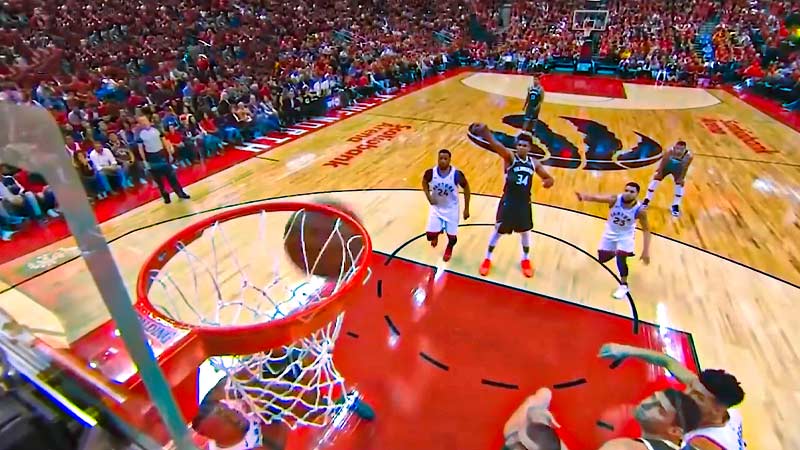
The rules for an air ball in basketball are relatively straightforward. Here are the key rules associated with an air ball:
Possession
An air ball does not automatically give the ball to the other team. It counts as a missed field goal attempt, the ball stays live, and whichever team secures it gets possession. One exception: in the NBA, the shooter may not be the first player to touch his own air ball, or he is called for traveling.
Resetting Shot Clock
Because the ball never touched the rim, an air ball does not reset the shot clock for the shooting team. If the offense recovers it, the clock keeps running. If the defense gains possession, it gets a new shot clock, as it would after any change of possession.
Out of Bounds
If an air ball goes out of bounds without being touched by any player, the opposing team is awarded possession from the sideline or baseline, depending on where the ball went out of bounds. This applies even if the ball does not touch the floor before going out of bounds.
Offensive Rebound
If a player from the same team catches an airball before it touches the floor, the shot clock does not reset, and the team maintains possession. The player who catches the air ball can attempt a new shot or pass the ball to a teammate.
Free Throws
In terms of free throws, if a player shoots an air ball on a free throw attempt, it is treated as a missed free throw. The opposing team will gain possession if the ball does not touch the rim, regardless of whether it touches the net or backboard.
It’s important to note that these rules may vary slightly depending on the specific league, level of play, or competition.
Different basketball organizations may have their own variations or modifications to the rules, but the general principles remain consistent across most basketball games.
What Makes Airballs Worse Than Regular Missed Shots?
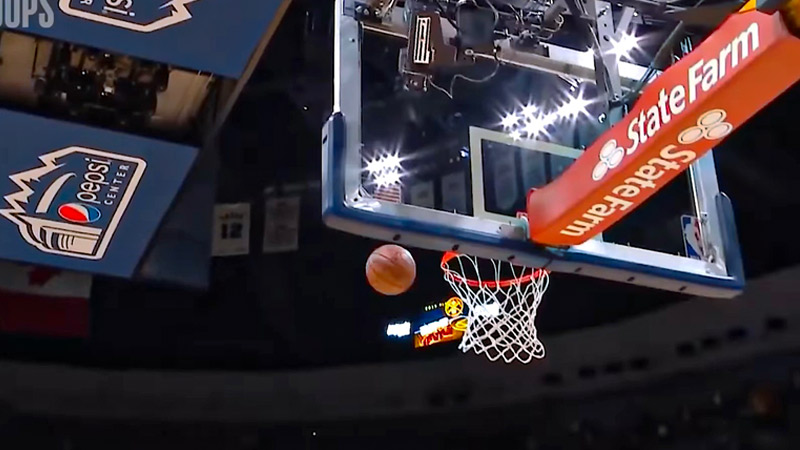
Air balls are often perceived as worse than regular missed shots for several reasons:
Lack of Rim Contact
Air balls are distinguished by the fact that the ball completely misses the rim, net, or backboard. This complete lack of contact indicates a significant misjudgment or poor execution of the shot, making it appear more glaring and embarrassing compared to shots that at least graze the rim.
Perception of Inaccuracy
Air balls are seen as a clear indication of a player’s inaccuracy or lack of shooting prowess. Missing the entire target implies a significant deviation from the intended trajectory and can lead to doubts about the shooter’s skill level or decision-making.
Lost Possession Risk
An air ball often bounces somewhere the shooting team does not expect, so the defense frequently grabs an easy rebound.
That not only wastes a scoring chance but also provides the opposition with a chance to transition into offense, potentially leading to a quick and easy scoring opportunity for the other team.
Impact on Confidence
Shooting an airball can have a psychological impact on the shooter and the team as a whole. It can shake the shooter’s confidence, leading to hesitation and self-doubt in future shot attempts.
Additionally, witnessing a teammate shoot an airball can dampen team morale, potentially affecting overall performance.
Spectator Reaction
Air balls tend to draw strong reactions from spectators, both in the arena and watching from home. The crowd may react with jeers, laughter, or disappointment, adding to the embarrassment for the shooter and the team.
The social pressure and scrutiny can further magnify the negative perception of air balls. While air balls may carry a heavier stigma, it’s important for players to understand that missed shots, including air balls, are a natural part of the game.
It’s crucial to maintain composure, learn from mistakes, and focus on improving shooting technique and decision-making rather than dwelling on the negative aspects of a single shot.
Can Air Balls Come From ANY Shot?
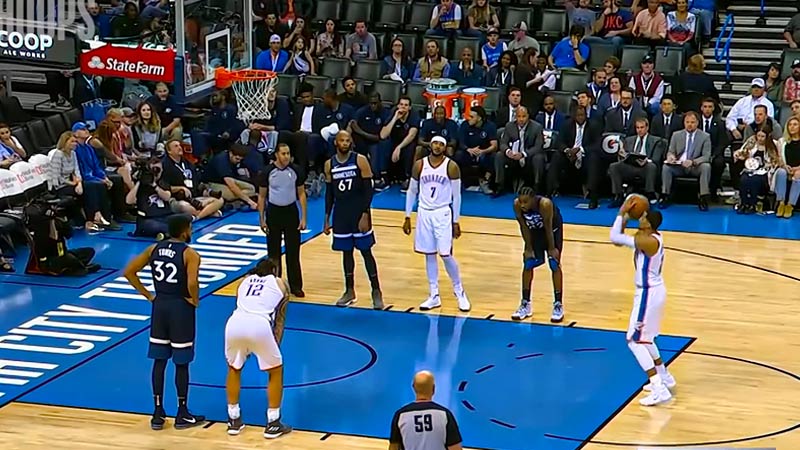
Technically, an air ball can come from any shot attempt in basketball. Whether it’s a layup, jump shot, three-pointer, or free throw, there is always a possibility of shooting an airball. However, the likelihood of an airball may vary depending on the type of shot being attempted.
For example, layups are typically close-range shots taken near the basket, and players often have a better sense of proximity, making airballs less common.
Jump shots, especially from mid-range or three-point range, involve a higher degree of difficulty and require precise shooting technique, making them more susceptible to air balls.
Free throws, despite being stationary shots, can also result in air balls. This can occur due to factors such as poor form, lack of focus, or even mental pressure. Although free throws are considered relatively easier shots, they can still lead to air balls if not executed properly.
It’s worth noting that air balls are generally less common among experienced and skilled players who have honed their shooting abilities through practice and repetition.
However, even the most accomplished players can occasionally shoot an airball due to a variety of factors, including defensive pressure, fatigue, or off-night shooting.
While air balls are not desirable outcomes, they are a part of the game. Players at all levels work to minimize air balls through continuous practice, improving shooting technique, and developing a better understanding of shot selection and execution.
Famous Air Ball Moments In The NBA
Airball moments in the NBA have become part of basketball lore, even among the most talented and accomplished players. Here are a few notable airball moments from NBA history:
Kobe Bryant – 1997 Playoffs
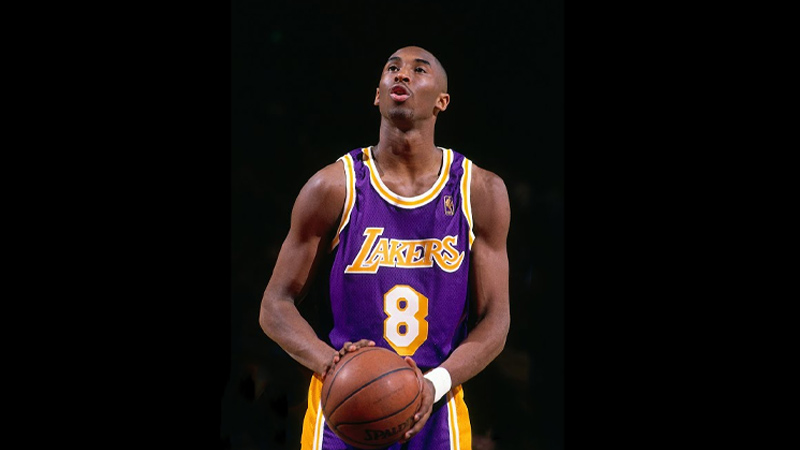
In the 1997 Western Conference playoffs, a young Kobe Bryant, then a rookie for the Los Angeles Lakers, had a memorable airball moment. In Game 5 of the series against the Utah Jazz, Bryant air-balled a potential game-winning jumper at the end of regulation, then shot three more air balls in overtime as the Jazz won the game and the series.
Despite the miss, Bryant’s confidence remained unshaken, and he went on to have a legendary career.
Other Famous Late-Game Blunders
Not every infamous late-game mistake is an air ball. Two moments that often come up in the same conversation did not involve an air ball at all:
J.R. Smith, 2018 NBA Finals: In Game 1 against the Golden State Warriors, with the score tied in the final seconds of regulation, Smith grabbed an offensive rebound off a missed free throw and dribbled away from the basket instead of shooting. The Cavaliers lost in overtime.
Chris Webber, 1993 NCAA Championship: With Michigan trailing North Carolina by two points late in the game, Webber called a timeout when his team had none left. The technical foul gave North Carolina free throws and the ball, and the Tar Heels won 77-71.
These moments, while marked by air balls, do not define the careers of these players. They serve as reminders that even the greatest athletes can experience setbacks, and their responses to those moments often shape their legacies.
FAQs
Is an air ball considered a turnover in basketball? What Are The Rules For An Air Ball?
No. An air ball is recorded as a missed field goal attempt, not a turnover. The ball stays live, and the team that rebounds it gets possession. In the NBA, the shooter cannot be the first to touch his own air ball, or he is called for traveling.
Are air balls more common with certain types of shots?
Air balls can happen with any type of shot in basketball. Whether it’s a layup, jump shot, three-pointer, or free throw, there is always a possibility of shooting an air ball.
However, long-range shots such as three-pointers may be more prone to air balls due to the increased distance and the need for precise shooting accuracy.
Can an air ball still result in a successful play?
While it’s rare, there are situations where an air ball can still result in a successful play. If a teammate catches the air ball before it goes out of bounds or hits the floor, they can quickly shoot or pass the ball, potentially scoring before the defense can react.
This scenario, commonly known as a “putback,” can salvage a scoring opportunity despite the initial air ball.
Do professional basketball players ever shoot air balls?
Yes, even professional basketball players occasionally shoot air balls. Despite their high skill level, professionals are not immune to making mistakes. Air balls can occur due to a variety of factors, including defensive pressure, fatigue, or an off night shooting-wise.
The important thing is how players respond to these situations and continue to perform at a high level.
Are air balls more common among inexperienced or amateur players?
Air balls can happen to players of all skill levels. While inexperienced or amateur players may be more prone to shooting air balls due to a lack of refined technique or experience, even the most skilled and seasoned players can occasionally shoot an air ball.
It’s a part of the game that players at all levels work to minimize through practice and improvement in their shooting skills.
Final Words
Now you know what is an air ball in basketball? To summarize, an air ball in basketball refers to a missed shot in which the ball fails to touch the rim, net, or backboard. It can happen due to a variety of factors, including misjudgment, defensive pressure, fatigue, lack of focus, or poor technique.
An air ball is a missed shot rather than a turnover, but it often hands the defense an easy rebound and can impact the shooter’s confidence and the team’s morale. However, players need to view air balls as opportunities for growth and learn from their mistakes.
With practice and determination, players can improve their shooting skills and reduce the occurrence of air balls, contributing to their overall success on the basketball court.