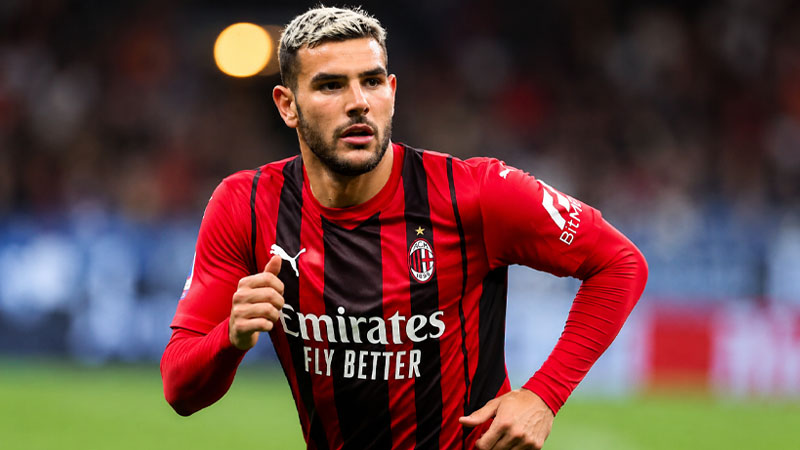
The landscape of European football shifted significantly in July 2025 when one of the most recognizable figures at the San Siro, Theo Hernández, finalized a move to the Saudi Pro League.
This transition was not merely a standard transfer; it represented a complex intersection of financial pragmatism, locker-room discipline, and a high-stakes standoff between a club icon and the board of directors.
For many observers, the departure of the French left-back felt like the end of an era, but for the decision-makers at Casa Milan, it was a calculated move designed to protect the long-term stability of the organization.
The following analysis breaks down the multifaceted reasons behind this exit, providing a comprehensive look at the internal and external pressures that led to the sale of a player who once claimed he wanted to retire in the colors of the Rossoneri.
1. The Management Ultimatum: A Forced Exit
The primary catalyst for this transfer was a definitive and uncompromising stance taken by the AC Milan management. Despite the public perception of Hernández as a pillar of the squad, the internal reality was far more fractured.
- The “Leave or Be Cut” Mandate: In the weeks leading up to the July 2025 transfer window, management issued a stark ultimatum to the defender. He was informed that his presence in the squad was no longer guaranteed and that, should he refuse a transfer, he would be removed from the first-team rotation entirely.
- Contradictory Desires: This pressure stood in direct opposition to the player’s personal ambitions. Throughout his tenure, Hernández had expressed a deep-seated desire to remain in Milan for the duration of his career.
- The Breakdown of Trust: The decision to force an exit suggests a total breakdown in the relationship between the player’s camp and the executive team. When a club is willing to “cut” a high-value asset from the squad, it indicates that the perceived negative impact of keeping the player outweighs his on-pitch contributions.
2. The 2026 Contract Standoff
In the world of high-performance sports, contract length is the ultimate measure of leverage. For AC Milan, the calendar was working against them.
- The Impending Expiration: With Hernández’s contract set to expire in 2026, the club reached a critical “renew or sell” juncture in the summer of 2025. Entering the final year of a contract significantly depreciates a player’s market value, as they can eventually leave for free.
- Wage Demand Discrepancies: Negotiations for a contract extension reached a stalemate when the board refused to meet the wage demands presented by the player’s representatives. The club’s internal salary cap and wage structure were reportedly at odds with the “top-tier” compensation Hernández felt he deserved based on his status as one of the world’s premier left-backs.
- Protecting the Wage Bill: By refusing to buckle to these demands, Milan sent a clear message regarding their fiscal discipline. Adhering to a strict payroll model is often prioritized by modern ownership groups to ensure long-term sustainability and compliance with financial regulations.
3. Financial Strategy: Capitalizing on Market Value
From a corporate perspective, the sale of Hernández was a textbook example of asset management and risk mitigation.
- Avoiding the “Zero-Dollar” Exit: The club’s strategy focused on “cashing in” on the player while he still commanded a significant transfer fee. By facilitating a move in 2025, they secured approximately €25 million from Al-Hilal, rather than risking a total loss of investment in 2026.
- Reallocation of Capital: The €25 million influx, combined with the removal of one of the team’s highest salaries from the books, provided the management with the liquidity needed to pursue younger, more cost-effective talent.
- Strategic Asset Liquidation: In the modern economy of football, players are often viewed as assets with a specific shelf life. When a player’s performance-to-cost ratio begins to skew, organizations must make the difficult decision to liquidate that asset before its value plummets.
4. Performance Volatility and Tactical Concerns
While Hernández was known for his blistering speed and offensive contributions, his final season at the San Siro was marked by a decline that concerned the coaching staff and analysts alike.
- Defensive Effort Issues: During his final campaign, the defender faced mounting criticism for a perceived lack of defensive diligence. His tendency to stay forward during transitions left the backline exposed, leading to a series of preventable goals.
- Individual Errors: A spike in costly individual mistakes further eroded the coaching staff’s confidence. In high-stakes matches, these lapses in concentration became a liability that the team could no longer overlook.
- Tactical Friction: As the team’s tactical identity evolved, the need for a more disciplined, defensively sound left-back became apparent. Hernández’s “maverick” style of play, while exciting, often disrupted the structural balance required by the manager.
5. Disciplinary Hurdles and Locker Room Dynamics
A player’s value is not determined solely by what they do during the 90 minutes of a match. Their influence on the culture of the club is equally vital.
- Red Cards and Suspensions: The 2024-2025 season saw Hernández embroiled in multiple disciplinary incidents, including several red cards that left his team shorthanded during crucial stretches.
- Clashes with Coaching Staff: Reports of friction between the player and the technical staff suggested a growing disconnect. When a senior player and the coaching staff are no longer aligned, it often creates a ripple effect that can destabilize the entire locker room.
- Leadership Vacuum: Despite his seniority, the disciplinary issues and public clashes indicated that Hernández was not fulfilling the leadership role the club expected from one of its highest-paid stars.
6. The Saudi Pro League Factor: Al-Hilal’s Pursuit
The emergence of the Saudi Pro League as a global destination for elite talent provided a convenient exit ramp for both the club and the player.
- The €25 Million Deal: Al-Hilal’s offer of €25 million was sufficient for Milan to agree to the deal, especially considering the player’s age and contract status.
- A Change of Scenery: For the player, while the move was forced, Al-Hilal offered a platform where his offensive flair would be highly valued and his salary demands could be easily met.
- The Globalization of the Game: This transfer highlights the shifting power dynamics in global sports, where traditional European giants are now increasingly doing business with well-funded clubs in the Middle East to balance their own books.
Detailed Analysis of the Impact on AC Milan
The departure of a player of this caliber leaves a vacuum that is difficult to fill. To understand the full scope of this transition, we must look at the ripple effects across the organization.
I. The Search for Defensive Stability
With the “forced exile” of their primary attacking outlet on the left, Milan’s recruitment focus has shifted toward a more traditional defensive profile.
The goal is to reduce the number of individual errors that plagued the team during Hernández’s final season. By prioritizing a “defense-first” left-back, the team hopes to achieve a level of structural integrity that was previously missing.
II. Cultural Realignment
The ultimatum issued to Hernández serves as a warning to the rest of the squad. It signals that no player, regardless of their history or popularity, is bigger than the club’s disciplinary and financial standards.
This move is a clear attempt to reset the culture within the dressing room and demand a higher level of professional accountability.
III. Long-term Financial Health
While fans may grieve the loss of a star, the board views this as a victory for the club’s balance sheet. Avoiding a massive salary commitment for an aging player with disciplinary issues is seen as a prudent move that protects the club from future financial distress.
Frequently Asked Questions
Why did Theo Hernández leave if he wanted to stay?
The player was essentially given no choice. Management informed him that he would be excluded from all squad activities if he did not accept the transfer, effectively forcing him to secure a transfer fee before his contract expired in 2026.
Was the €25 million fee too low?
While some may argue that a player of his talent is worth more, his market value was lowered by his expiring contract, his high wage demands, and a season marked by disciplinary issues and errors. Under those circumstances, €25 million was a strategic figure for the club to accept.
How did his performance affect the transfer?
A decline in defensive effort and a series of high-profile mistakes during his final season made the management more comfortable with the idea of his departure. The disciplinary record, including multiple red cards, also played a significant role in the decision.
Who were the key parties involved in the deal?
The deal involved AC Milan’s board of directors, Theo Hernández and his representatives, and Al-Hilal of the Saudi Pro League, who paid the €25 million fee.
What does this mean for AC Milan’s future?
This move signals a transition toward a more disciplined, financially conservative era. The club is prioritizing players who fit within their wage structure and tactical requirements over retaining high-profile individuals who may be seen as volatile assets.
Final Thoughts: A Necessary Departure?
The story of Theo Hernández and AC Milan is a reminder that in the modern era of professional sports, sentimentality rarely trumps the bottom line.
While the Frenchman provided years of highlight-reel goals and exhilarating runs, his final chapter was defined by a pragmatic assessment of his value versus his cost.
By issuing an ultimatum and securing a transfer to Al-Hilal, AC Milan chose a path of certainty over the risk of a messy, prolonged contract dispute.
Whether this decision leads to a more balanced and successful team remains to be seen, but it undeniably marks a turning point in the club’s strategic direction.
The “forced exit” may be painful for the fans, but for a club aiming for the top of the European game, it was a move driven by the cold, hard logic of the modern sporting industry.