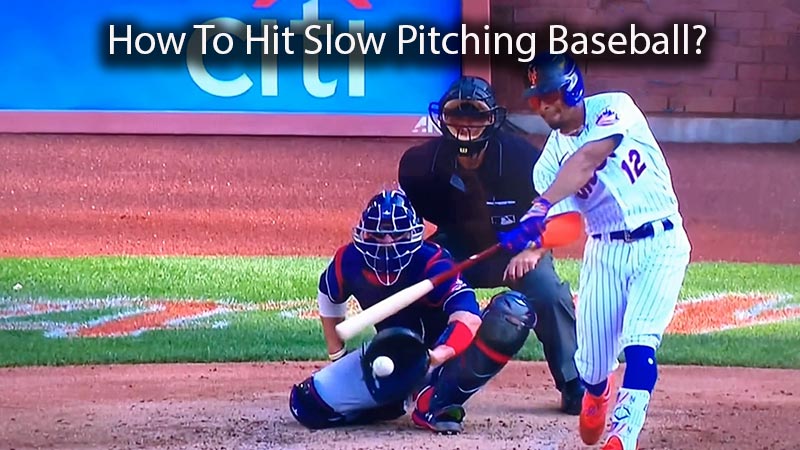
Slow pitching can be harder to hit than it looks. You see the ball coming, feel ready to swing, and expect solid contact. Then you pull a foul ball, roll a grounder, or swing before the pitch reaches you.
The problem is often timing. A swing built for faster pitching can start too soon against a slower throw. The extra flight time also gives you more time to overthink or try to hit every pitch hard.
Learning to hit slow pitches in baseball starts with patience, balance, and good pitch selection. You need to give the ball time to arrive while keeping a quick, controlled swing.
This guide covers slower overhand baseball pitches, including changeups and breaking balls.
Why Slow Pitches Disrupt Your Swing
When you face a fast pitcher, your body learns to move at a certain pace. Your load, stride, and swing work together to meet the ball.
A slower pitch changes that schedule. If you use the same swing timing, the barrel can pass through the hitting zone too soon.
Common signs include:
- Pulling several pitches foul.
- Lunging toward the ball.
- Rolling over into weak grounders.
- Losing balance before contact.
- Reaching with your arms after starting too early.
Slow pitches can also move or drop. Extra time does not make a pitch easy to hit if it finishes outside your best hitting zone.
The goal is to adjust when you swing while keeping movements you can repeat.
1. Study the Pitcher Before Your At-Bat
Start your work before stepping into the box. Watch the pitcher during warm-ups and against other hitters.
Notice whether the pitcher throws mostly slow strikes or changes speeds. Look for pitches that stay high, drop late, or move away from hitters.
Watch how teammates respond. If several hitters are pulling balls foul, they may be starting too soon. If they keep chasing low pitches, the pitcher may be drawing swings at balls that drop below the zone. Use those clues to build a simple plan.
For example: look for a strike near the middle, keep your stride controlled, and avoid reaching for low pitches.
Treat patterns as clues, though. A pitcher can change location or speed at any point.
2. Get Ready Early, Then Adjust Your Swing Start
Being patient does not mean standing still until the ball is close. You still need time to prepare.
Your load is the small movement that gets your body ready to swing. Your stride helps you move into a strong hitting position. Neither should force you to launch the bat right away.
Against slow pitching, work on getting ready without rushing through contact.
If a large leg kick makes you commit too early, try a smaller stride during practice. A simple toe tap or short step may help you control your movement.
There is no single stride that works for everyone. Choose one that lets you stay balanced and respond to the pitch.
A useful cue is: Get ready early. Swing when the ball arrives.
3. Stay Balanced Without Freezing on Your Back Leg
Coaches often tell hitters to “stay back.” That cue can help prevent lunging, but it can also be misunderstood.
You should not lean backward or keep all your weight on your rear leg through contact. Your body still needs to turn and transfer force into the swing.
Instead, stay balanced as you track the pitch. Avoid throwing your head and chest toward the pitcher before the ball reaches your hitting zone.
Your front foot can land while your hands remain ready. From there, you can adjust the start of your swing.
After contact, check your finish. If you fall forward or stumble, review your stride and body movement with a coach. Balance gives you more room to adjust.
4. Track the Ball From the Release Point
Find the area where the ball leaves the pitcher’s hand. Follow it from release toward the plate. Try to keep your head steady enough to see the pitch clearly. Large head movements can make tracking harder.
Read both speed and location. A pitch may look slow and inviting at first, then finish low or outside. Do not decide to swing just because the ball seems easy to reach. Keep judging whether it will enter a zone you can hit well.
During practice, take some pitches without swinging. Call out “ball” or “strike,” then compare your judgment with a coach’s view. This helps you practice seeing the pitch without the pressure of making contact.
5. Delay the Swing Without Making It Sluggish
One common mistake is trying to match a slow pitch with a slow swing. That can weaken contact and make the barrel harder to control. A better starting point is to adjust the launch time while keeping a firm, purposeful swing.
Once you commit, turn and move the barrel through the ball. Avoid guiding the bat with your hands alone.
USA Baseball’s bat research explains that bat speed has a greater effect on batted-ball speed than incoming pitch speed. A slow pitch can still be hit hard with a well-timed swing and solid contact.
You do not need to swing with maximum effort. Use a controlled swing that lets you find the barrel.
6. Match Your Contact Point to Pitch Location
“Let it travel” is a useful cue for an early hitter. It does not mean every pitch should be hit at the same deep contact point.
An inside pitch generally needs contact farther in front. An outside pitch usually needs to travel deeper so you can reach it without pulling away.
Middle pitches fall between those points.
Practice hitting:
- Inside strikes toward your pull side.
- Middle strikes toward center field.
- Outside strikes toward the opposite field.
These are practice targets, not strict rules for every batted ball.
USA Baseball’s Monday Manager series includes an example of a hitter adjusting to drive a breaking ball for an opposite-field home run. Let location guide your approach instead of trying to pull every slow pitch.
7. Choose a Pitch You Can Drive
Slow pitching can tempt you to swing at everything. Resist that urge. A slow ball outside the zone is still a poor pitch to chase. Reaching can turn a manageable at-bat into weak contact.
Early in the count, look for a strike in an area you handle well. For many hitters, that means a pitch near the middle rather than one at the edge.
With two strikes, be ready to cover more of the strike zone. Keep your movement manageable and focus on making solid contact.
Patience does not mean passing up good strikes. When the pitcher gives you your pitch, attack it. The aim is to be selective and ready at the same time.
Practice Drills for Hitting Slow Pitching
Use drills that train timing as well as swing mechanics. Wear a batting helmet, keep others clear of the hitting area, and place anyone throwing front toss behind a protective screen.
Controlled Front Toss
Have a coach toss balls at a steady, comfortable pace.
Use a small stride and try to hit firm line drives through the middle. Focus on staying balanced until the ball reaches your contact point.
Start with short rounds of eight to ten swings. Reset between pitches rather than rushing.
Mixed-Speed Toss
Once you handle steady tosses, ask the coach to vary the pace without announcing each change.
Keep the same basic setup and adjust when you launch the swing. Include some pitches to take, so the drill also trains pitch choice.
The goal is to respond to the ball instead of guessing.
Three-Location Tee Work
Place the tee for inside, middle, and outside contact.
Use it to learn where your barrel meets each location cleanly. A tee cannot teach pitch-speed recognition, but it can build the contact positions you need during live swings.
Take-and-Track Rounds
Watch a short round of pitches without swinging. Judge location and notice when each ball reaches the plate.
Then hit another round while keeping that same attention on the ball.
A Simple Practice Plan
Try this twenty-minute session:
- Five minutes of tee work: Practice contact at three locations.
- Five minutes of steady front toss: Build balance and timing.
- Five minutes of mixed-speed toss: Adjust your swing start.
- Five minutes of live decisions: Swing at good strikes and take balls.
Treat this as a sample plan. Adjust the pace and number of swings to your age, skill, and fatigue.
Track solid contact, balanced finishes, and good decisions. Those measures tell you more than counting home runs alone.
Common Mistakes to Avoid
- Starting the whole movement too late: You may wait so long that your swing becomes rushed. Prepare early, then adjust the launch.
- Lunging to reach the pitch: Keep your body under control and let the ball come to your hitting zone.
- Trying to hit every pitch farther: Extra effort can make you tense or start early. Aim for clean barrel contact first.
- Changing everything after one miss: Look for repeated patterns before changing your stance, stride, or swing.
Final Thoughts
To hit slow pitching well, prepare early, track the ball, and wait for a pitch you can handle. Keep your balance and match your contact point to location.
Practice with varied speeds so you learn to adjust during the pitch. With steady work, you can turn early swings and weak contact into more controlled, solid hits.