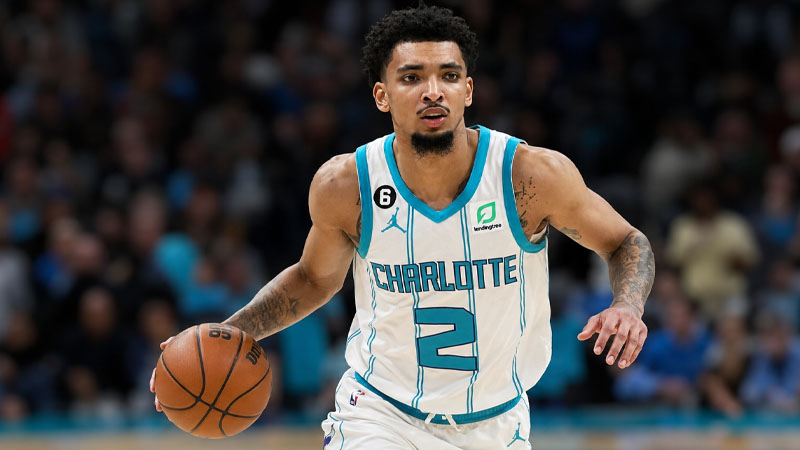
James Bouknight was arrested on October 16, 2022, on charges of Driving While Impaired (DWI) after a highly dangerous incident in Charlotte, North Carolina.
Police discovered the former lottery pick unconscious in his running vehicle with a loaded Glock 23 handgun in his lap. This arrest followed a troubling history, including a 2019 hit-and-run at UConn and numerous reckless driving citations.
With a blood alcohol content nearly double the legal limit, the legal ramifications and ongoing behavioral concerns eventually led the Charlotte Hornets to waive the guard in February 2024, halting his professional career.
What Happened During the October 2022 DWI Arrest?
The arrest of James Bouknight in late 2022 remains one of the most documented and bizarre legal incidents involving a modern professional athlete.
The event began in the early morning hours and quickly escalated into a high-stakes confrontation with law enforcement that drew national media attention.
| Event Component | Detailed Information |
|---|---|
| Discovery Time | Approximately 12:44 a.m. |
| Vehicle State | Running and in “drive” while blocking a parking deck lane |
| Physical Condition | Found unconscious behind the wheel |
| Weaponry | Physically holding a Glock 23 .40-caliber handgun while passed out |
| BAC Level | 0.14% (The legal limit is 0.08%) |
| Personal Admission | Consumed four tequila shots before driving |
The Hour-Long Standoff in Charlotte
When officers first arrived at the scene on East Brooklyn Village Avenue, they were met with a precarious situation. Because Bouknight was armed and unconscious in a vehicle that was still in gear, police could not simply approach the car.
They established a safety perimeter and utilized a public address system to attempt to wake him. For nearly an hour, law enforcement used emergency lights, sirens, and airhorns to rouse the player, who remained unresponsive for a significant duration.
The Collision with Law Enforcement Vehicles
Once Bouknight finally regained consciousness, the situation turned from a standoff into a minor collision.
He appeared highly confused and, rather than complying with the commands to exit the vehicle, he began eating food that was present in the car, including a bag of Doritos.
In his disoriented state, he accidentally engaged the vehicle, crashing into two separate police cruisers—one positioned in front of him and one behind—before officers could safely take him into custody.
Analyzing the 2019 UConn Hit-and-Run Incident
To understand why this arrest was so damaging to his professional reputation, one must look back at his history before entering the league.
His legal troubles began during his freshman year at the University of Connecticut, establishing a pattern of vehicular recklessness and evasion of authority.
The Midnight Crash and Fleeing the Scene
On September 27, 2019, while still a student-athlete at UConn, Bouknight was involved in a vehicular collision. He was driving a car belonging to another student when he lost control, striking a street sign and crashing into a parked vehicle.
When a campus police officer pulled him over shortly after the impact, the officer reported a distinct odor of alcohol on his breath. Instead of cooperating, Bouknight chose to flee the scene on foot, sprinting away from the officer to avoid immediate detention.
Avoiding the DUI Charge Through Evasion
Because Bouknight successfully fled the scene on foot, law enforcement was unable to administer a breathalyzer test at the time of the incident. He eventually turned himself in on an outstanding warrant, but the delay meant he could not be formally charged with a DUI.
Instead, he faced a litany of other charges, including evading responsibility, interfering with an officer, traveling too fast for conditions, and driving without a license.
This early incident served as a red flag for scouts but did not prevent him from being a high draft selection.
A Dangerous Pattern: The History of Traffic Violations
The 2022 arrest was not an isolated lapse in judgment but rather the culmination of a severe and ongoing pattern of reckless behavior.
Court documents from the Mecklenburg County Clerk of Superior Court paint a picture of an individual who frequently disregarded road safety laws during his tenure in the professional league.
| Date of Citation | Primary Charges Filed | Case Context |
|---|---|---|
| November 2021 | Reckless driving and wanton disregard | Early career violation |
| February 2022 | Reckless driving and wanton disregard | Repeated behavioral trend |
| October 2022 | Speeding and reckless driving to endanger | Occurred days before the DWI arrest |
| October 2022 | Driving While Impaired (DWI) | The major arrest involving the handgun |
The Severity of Wanton Disregard Charges
The repeated charges of “wanton disregard” suggest a level of driving that goes beyond simple speeding. In legal terms, this indicates a conscious and intentional indifference to the safety of others on the road.
The fact that he was cited for speeding and reckless driving just days before his major DWI arrest highlights a failure to adjust behavior despite repeated legal interventions.
Lack of Intervention and Escalation
Despite the mounting pile of traffic citations, there appeared to be no successful intervention to curb his behavior. Each citation in late 2021 and early 2022 served as a warning sign that the player was engaging in high-risk activities off the court.
By the time of the 2022 standoff, the frequency of these incidents had escalated to the point where law enforcement and the team could no longer overlook the liability he represented.
The Legal Outcome: Guilty Plea and Sentencing
The resolution of these cases took nearly two years to move through the court system. By the time a final verdict was reached, the damage to his professional standing had already been largely solidified, leading to a quiet exit from his team.
| Legal Requirement | Sentencing Detail |
|---|---|
| Plea Status | Pled Guilty to driving while impaired (April 2024) |
| Probation | 12 months of unsupervised probation |
| Community Service | 24 hours of mandatory service |
| License Status | Immediate and mandatory surrender of driver’s license |
| Financial Penalty | Initially released on a $2,500 bond in 2022 |
Understanding Unsupervised Probation
The 12-month unsupervised probation sentence requires the individual to remain on good behavior and avoid further legal infractions without the need for regular check-ins with a probation officer.
However, any further violation during this period could trigger more severe penalties, including potential jail time. This sentence was part of a plea deal that resolved the DWI charges from the 2022 incident.
The Impact of License Surrender
For a professional athlete, the surrender of a driver’s license is a significant logistical hurdle, but in this case, it serves as a necessary public safety measure.
Given his history of reckless driving and impaired operation of a vehicle, the court deemed him unfit to hold a license. This mandatory surrender was a central part of the judge’s sentencing in April 2024.
How Professional Consequences Led to Being Waived
The intersection of legal instability and poor on-court performance often spells the end for even the most talented draft picks.
For the Charlotte Hornets, the accumulation of negative headlines and limited athletic contributions made the decision to move on inevitable.
The 11th Overall Pick Expectations
When he was drafted 11th overall in 2021, he was expected to be a core piece of the franchise’s future. Teams invest millions of dollars and significant coaching resources into lottery picks, hoping for a high return on investment.
However, his off-court trouble began almost immediately upon entering the league, with reckless driving charges appearing on his record within his first season.
The Business of Being Waived
In February 2024, the Charlotte Hornets officially waived and released the guard. Being “waived” means the team essentially gives up the rights to the player’s contract and is willing to pay the remaining salary just to remove them from the roster.
This is often a last resort for teams, used when a player’s presence is considered more detrimental than their potential talent is worth. His low production combined with the “ongoing legal issues” left the front office with little choice but to sever ties.
Frequently Asked Questions About the James Bouknight Case
Was he charged for having a gun during the arrest?
While he was found physically holding a Glock 23 .40-caliber handgun during the 2022 DWI incident, the primary focus of the legal resolution was the impaired driving charge.
The presence of the weapon contributed to the severity of the police response and the standoff, but his eventual guilty plea in 2024 specifically addressed the “driving while impaired” aspect of the night.
Why did he flee from police in 2019?
The 2019 incident at UConn involved the player crashing into a parked car while driving a vehicle belonging to someone else. When stopped by a campus officer who noted the smell of alcohol, he chose to flee on foot rather than submit to an investigation.
By running away, he successfully avoided a breathalyzer test at the time, which prevented a formal DUI charge but led to charges of evading responsibility and interfering with an officer.
What is his current status in the league?
As of early 2024, he is no longer on an active roster. Following his release by the Charlotte Hornets in February, he became a free agent.
His transition from a highly-touted lottery pick to being waived in less than three seasons serves as a cautionary example of how off-court behavior can derail a career regardless of draft pedigree.