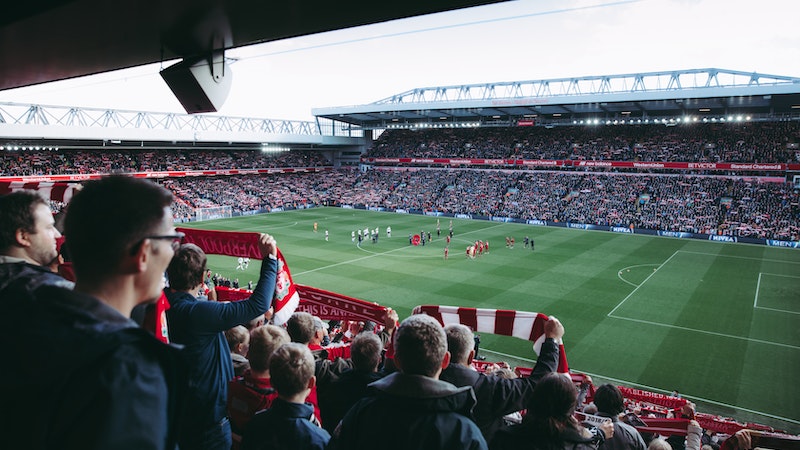
Soccer is the most popular sport on the planet for a reason. It transcends borders, languages, and socioeconomic status to provide a comprehensive platform for personal development.
Whether you are a parent looking for an activity for your child or an adult seeking a way to stay fit, understanding why soccer is a good sport reveals a wealth of benefits. It combines physical endurance, tactical intelligence, and social cohesion into one accessible package.
This guide explores the multifaceted impact of the “beautiful game,” detailing how it builds stronger bodies, sharper minds, and more connected communities globally.
The Unmatched Physical Health Advantages of Soccer
Engaging in soccer offers a rigorous full-body workout that addresses multiple facets of physical fitness simultaneously. The sport is unique in its ability to combine endurance with explosive power, making it a premier choice for those seeking optimal health.
Cardiovascular Performance and Fat Loss
Soccer is one of the most effective ways to improve heart and lung health. Because a standard match involves continuous running over a 90-minute period, it significantly strengthens the cardiovascular system.
This sustained activity ensures that the heart remains efficient at pumping blood and that the lungs maintain high oxygen capacity.
Furthermore, the game functions as a natural form of High-Intensity Interval Training (HIIT). Players are constantly shifting between walking, jogging, and full-speed sprinting.
This metabolic variety is highly effective for torching body fat and increasing the resting metabolic rate, providing better results than steady-state exercises like jogging alone.
Functional Strength and Muscular Development
While many people associate soccer only with running, it is actually a comprehensive strength-building activity. The acts of kicking, leaping for headers, and tackling opponents build powerful legs and a stable core.
The upper body also receives a workout through the balance and shielding required to protect the ball from defenders.
Additionally, the weight-bearing nature of the sport has long-term skeletal benefits. The repeated impact of running and jumping strengthens bones, increasing bone density.
This is a critical factor in preventing long-term injuries and conditions like osteoporosis as players age.
Agility, Coordination, and Reflexes
The dynamic nature of a soccer match requires players to be incredibly light on their feet. Rapid directional changes are a constant necessity, which sharpens total body balance and agility.
Because players must control a ball with their feet while moving at high speeds, they develop elite foot-eye coordination that is rarely found in other athletic disciplines.
Developing the Strategic Mind Through Play
Beyond the physical exertion, soccer is often described as “human chess.” The cognitive demands of the game provide significant mental perks that translate well into professional and academic environments.
Rapid Decision-Making and Spatial Awareness
In soccer, the environment changes every second. Players are forced to read the field, identify the positions of teammates and opponents, and execute a pass or shot within a split second. This constant pressure trains the brain to process information rapidly and make high-stakes decisions under duress.
Navigating a large field also develops acute visual and geometric awareness. A successful player does not just look at where the ball is, but where it will be.
This spatial intelligence helps individuals understand patterns and movements in three-dimensional space, a skill that is highly valuable in various real-world applications.
Psychological Resilience and Stress Management
The mental health benefits of soccer are as significant as the physical ones. The intense physical exertion required during a match triggers the release of endorphins, which are the body’s natural “feel-good” chemicals. These hormones are instrumental in reducing feelings of anxiety and depression.
Moreover, the game demands deep mental focus. Tracking a moving ball while simultaneously monitoring ten teammates and eleven opponents forces a state of “flow” or intense concentration.
This level of engagement provides a mental break from daily stressors, allowing players to build psychological resilience and improve their overall emotional well-being.
Fostering Social Intelligence and Team Dynamics
Soccer is inherently a team sport, and the social skills developed on the pitch are among its most enduring benefits. It serves as a laboratory for learning how to interact effectively with others to achieve a common goal.
Accountability, Trust, and Shared Success
Success in soccer is a collective effort. With eleven players on the field, a team can only win if each individual is willing to sacrifice personal glory for a shared goal. This teaches the importance of teamwork and selflessness.
| Social Skill | Professional Application |
|---|---|
| Accountability | Meeting deadlines and taking responsibility for project outcomes. |
| Communication | Using verbal and non-verbal cues to coordinate complex tasks. |
| Trust | Relying on colleagues to perform their specialized roles effectively. |
| Resilience | Recovering from setbacks or “goals conceded” as a unified group. |
The constant need to communicate during the “chaos” of a match—using both verbal cues and body language—sharpens a player’s ability to relay information clearly and concisely.
Relying on others also fosters a sense of responsibility and a shared work ethic that is highly prized in any collaborative setting.
Bridging Cultural and Global Gaps
Soccer is known as the “universal language.” Because it is the world’s most popular sport, it has the unique power to unite diverse cultures instantly. Whether you are in a major metropolitan city or a remote village, the rules of the game remain the same.
This global connection allows individuals to build friendships and professional networks across borders, fostering a sense of global citizenship and mutual respect.
Why Accessibility Makes Soccer the Ultimate Sport
One of the most compelling reasons why soccer is a good sport is its radical accessibility. Unlike many other athletic pursuits that require expensive equipment or specialized facilities, soccer is the “people’s sport.”
Low Entry Barriers and Scalability
The financial cost of starting soccer is remarkably low. Essential gameplay requires nothing more than a ball and an open space. This simplicity removes the economic barriers that often prevent individuals from participating in organized sports.
The format is also incredibly scalable. You do not need a professional-grade stadium to enjoy the game. Matches adapt easily to various environments, including:
- Backyards and local parks
- City streets and urban lots
- Beaches and sandy clearings
- Indoor gyms and community centers
Simple Rules and Inclusivity
The core objective of soccer—putting the ball in the net without using your hands—is universally understood. This simplicity makes it easy for newcomers to pick up the game and feel a sense of accomplishment quickly.
Furthermore, soccer is inclusive of all body types. Unlike sports where success might depend heavily on being exceptionally tall or having massive physical bulk, soccer success relies more on skill, speed, and intelligence.
This allows people of all sizes to compete effectively, emphasizing talent and hard work over genetic predispositions.
Comparison: Soccer vs. Other Popular Sports
To further understand the value of soccer, it is helpful to see how it compares to other common forms of exercise and competition.
| Feature | Soccer | Basketball | Running |
|---|---|---|---|
| Primary Physical Focus | Endurance & Agility | Explosiveness | Linear Stamina |
| Equipment Needed | Low (Ball) | Medium (Ball & Hoop) | Low (Shoes) |
| Team Integration | High (11 players) | Medium (5 players) | Low (Individual) |
| Strategic Depth | High (Spatial Geometry) | Medium (Play-calling) | Low |
| Accessibility | High | Medium | High |
Frequently Asked Questions About Soccer
Is soccer safe for beginners?
Yes. While it is a contact sport, the rules are designed to prioritize player safety. Beginners can start at a low intensity to build the necessary bone density and muscular strength required to prevent long-term injury.
What is the best age to start playing?
Soccer is suitable for all ages. Children benefit from the coordination and social skills, while adults can use the sport for cardiovascular health and stress relief.
Can soccer help with weight loss?
Absolutely. The combination of continuous running and HIIT-style sprinting is an excellent way to torch body fat and improve body composition.
How much equipment do I really need?
At its most basic level, you only need a ball. For more formal play, a pair of cleats and shin guards are recommended, but the low cost of entry remains one of its greatest strengths.
Conclusion: Join the Global Community
Soccer is far more than just a game; it is a holistic tool for improving your life. By combining physical health benefits, mental sharpness, and essential social skills, it offers a path to becoming a more well-rounded individual.
Its low-barrier format ensures that anyone, regardless of their background or body type, can participate in the world’s most popular sport.
If you are looking for a way to challenge your body, sharpen your mind, and connect with a global community, there is no better choice.
Grab a ball, find an open space, and experience for yourself why soccer remains the ultimate sport for everyone. Whether you play competitively or just for fun, the pitch is waiting.