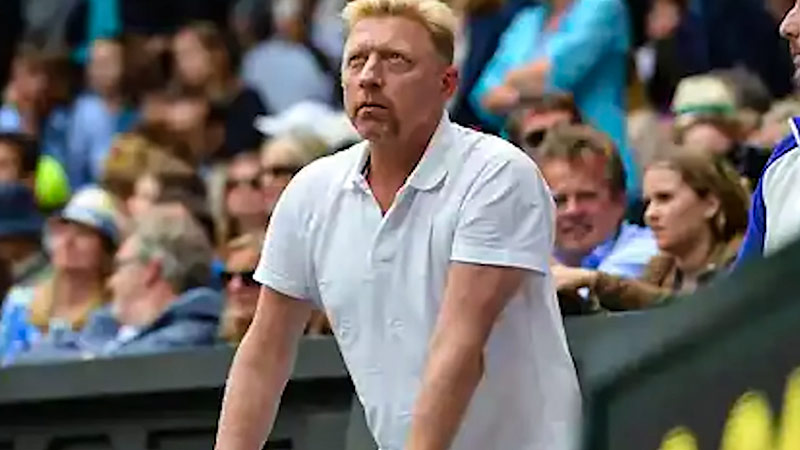
Boris Becker is not playing professional tennis because he officially retired from the sport in 1999 due to age and the physical wear on his body.
Before stepping away from competition, Becker established himself as one of the most dynamic competitors in modern tennis history.
Bursting onto the global stage in 1985 as an unseeded 17-year-old, he captured the Wimbledon singles championship, becoming the youngest male player ever to win the prestigious title at that time.
Over the course of his active career, he secured six Grand Slam singles titles and spent years at the pinnacle of international sport.
However, the question of his absence has resurfaced in recent years not only regarding his playing career, but also regarding his presence as a television commentator and tournament guest.
Following a 2022 bankruptcy-related conviction in the United Kingdom, Becker served a prison sentence and was subsequently deported.
Today, ongoing travel and entry restrictions affect his ability to attend certain international tournaments and perform on-site broadcast work.
The Active Playing Era: Peak Performance and Retirement in 1999
+-------------------------------------------------------------------+
|                  BORIS BECKER: COMPETITIVE TIMELINE                |
+-------------------------------------------------------------------+
| 1985: Wins Wimbledon at age 17 (Youngest Champion)            |
| 1985-1999: Amasses 6 Grand Slam Singles Titles                |
| 1999: Official Retirement from Professional Tennis            |
| Post-1999: Transitions to Elite Coaching & Broadcast Commentary|
| 2022: Bankruptcy Conviction, UK Incarceration & Deportation   |
+-------------------------------------------------------------------+
The Prodigy’s Breakthrough
Becker’s rise in 1985 remains a defining moment in tennis history. Winning Wimbledon at age 17 showcased an aggressive style characterized by powerful serving, diving volleys, and relentless court coverage.
Over his professional playing career, he accumulated six Grand Slam singles trophies, cementing his status as an all-time elite athlete.
Why He Stopped Playing in 1999
Professional tennis imposes severe physical demands on the human body. The lateral movement, high-impact landings, and year-round travel regimen take a compounding toll on top-tier players.
Becker brought his professional playing career to an end in 1999. The primary factors behind his decision were:
- Physical Wear: Years of high-intensity play led to body wear that restricted his ability to compete at the highest level.
- Age & Athletic Longevity: By 1999, after nearly fifteen years on the professional tour, natural physical decline made maintaining elite tournament standards increasingly difficult.
Once a professional athlete retires due to physical accumulation of wear, returning to active tour competition is unfeasible, making his 1999 departure permanent.
Post-Retirement Success: Elite Coaching and Broadcasting
Following his departure from tour competition, Becker remained deeply integrated into high-level tennis through leadership roles off the court.
                     +----------------------------+
                     |    POST-PLAYING CAREER     |
                     +----------------------------+
                                   |
         +-------------------------+-------------------------+
         |                                                   |
         v                                                   v
+------------------+                               +------------------+
| ELITE COACHING   |                               | BROADCAST MEDIA  |
| Guided Novak     |                               | Served as analyst|
| Djokovic to      |                               | and television   |
| major titles |                               | commentator  |
+------------------+                               +------------------+
Guidance of Top-Tier Talent
Rather than stepping away from the game entirely, Becker leveraged his competitive insight as a coach.
Most notably, he coached world No. 1 Novak Djokovic, helping guide the Serbian champion through a dominant period of Grand Slam titles and tactical refinement.
This partnership demonstrated Becker’s strategic intelligence and ability to transfer championship experience to active players.
Television Commentary and Punditry
In addition to coaching, Becker established a long-standing career as an international broadcast pundit and television commentator. His expert analysis, firsthand knowledge of high-pressure court dynamics, and articulate commentary made him a prominent voice during major tournament broadcasts worldwide.
Legal Troubles, Incarceration, and Travel Restrictions
While Becker successfully built a second career in coaching and broadcasting, his media presence experienced a severe interruption due to legal issues.
The 2022 Bankruptcy Conviction
In 2022, Becker faced legal proceedings in the United Kingdom regarding bankruptcy-related offenses. He was convicted under UK bankruptcy laws and sentenced to prison, serving a period of incarceration in the United Kingdom.
Deportation and Current Entry Restrictions
Following his release from prison in late 2022, Becker was deported from the United Kingdom to Germany. The legal proceedings and subsequent deportation resulted in ongoing operational constraints:
- UK Entry Restrictions: Due to his deportation, Becker faces strict entry limitations regarding the United Kingdom, directly impacting his physical presence at events such as Wimbledon.
- Global Travel & Visa Complexities: International criminal convictions and deportations often result in visa restrictions across multiple jurisdictions, complicating international travel for broadcast assignments.
- Impact on Broadcast Availability: Because international sporting events require on-site media personnel to hold valid travel visas, these legal outcomes interrupted his television commentary career and continue to limit his on-location tournament presence.
Comprehensive Comparative Matrix
To provide a clear, structured summary of Boris Becker’s career progression, the following table outlines each key era, supported by documented records:
| Career Phase | Primary Focus | Major Milestones & Facts | Current Operational Status |
|---|---|---|---|
| Active Player Era (1985–1999) | Professional Tour Competition | • Won Wimbledon at age 17 (1985)• Captured 6 Grand Slam singles titles | Retired permanently in 1999 due to age and physical wear. |
| Coaching Era | Player Development & Strategy | • Coached former world No. 1 Novak Djokovic• Added high-level tactical value | Transitioned to broader punditry and media roles. |
| Broadcasting Era | Television Commentary | • Served as a global broadcast analyst• Covered major Grand Slam events | Interrupted in 2022 due to legal proceedings. |
| Current Status | Media & Personal Endeavors | • Served a prison sentence in the UK (2022)• Deported from the UK to Germany | Subject to travel and entry restrictions limiting on-site presence. |
Conclusion
The answer to “Why is Boris Becker not playing?” encompasses both athletic reality and recent legal history:
- On the Court: He retired from professional competition in 1999 after a remarkable career featuring six Grand Slam titles, driven by age and the physical toll of elite sport.
- Off the Court: While he successfully transitioned into coaching elite champions like Novak Djokovic and working as a television pundit, his media and tournament presence was interrupted by a 2022 bankruptcy conviction, UK incarceration, deportation, and ongoing travel restrictions.
Boris Becker remains one of tennis’s most intriguing figures—a teenage prodigy who reached the pinnacle of athletic success, transformed into a premier coach and analyst, and now navigates the complex realities of his post-legal circumstances.