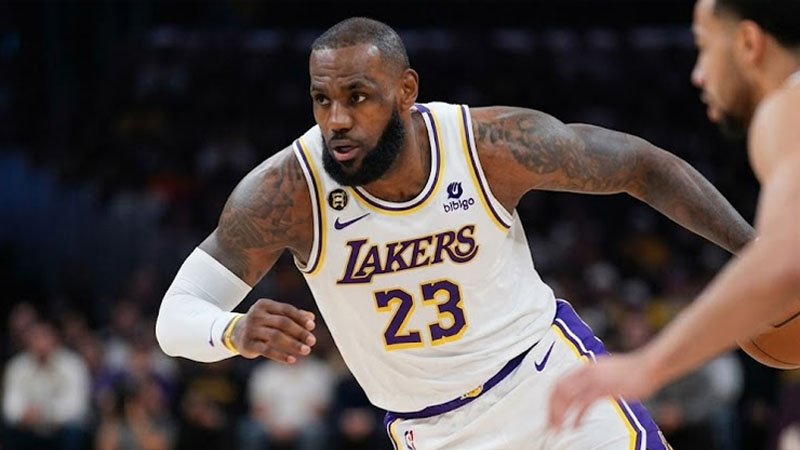
LeBron James wears a compression arm sleeve on his dominant shooting arm primarily for medical compression, muscle warmth, sweat management, and physical protection.
While the look is iconic, it serves a functional purpose by boosting blood circulation and accelerating lactic acid removal to reduce fatigue during high-intensity games.
Beyond the physical, the sleeve transitioned into a permanent fixture during his 2011–2012 Miami Heat championship run, evolving into a psychological lucky charm.
This combination of physiological benefits and mental routine allows the legendary athlete to maintain peak performance while shielding himself from injuries and abrasions.
The Medical Science Behind the Iconic Arm Sleeve
The implementation of compression technology in professional sports is not merely an aesthetic trend but a calculated decision rooted in exercise physiology and recovery science.
For an athlete of this caliber who plays heavy minutes across a decades-long career, every minor adjustment in gear can lead to significant marginal gains in endurance and longevity.
The use of specialized nylon-spandex fabrics allows for a degree of “mechanical doping”—a legal way to enhance the body’s natural processes through external support.
Enhanced Circulation and Muscle Recovery
Compression gear works by applying graduated pressure to the limb, which significantly assists the vascular system in moving blood back toward the heart.
This mild pressure enhances oxygen delivery to the active muscle groups in the shooting arm, ensuring that the tissues remain saturated with the nutrients required for explosive movement.
Furthermore, the compression helps in the rapid removal of lactic acid, a metabolic byproduct that causes the “burning” sensation and fatigue during a game.
By accelerating this flushing process, the athlete can maintain a consistent shooting stroke even in the final minutes of a high-stakes fourth quarter.
Temperature Regulation for Peak Performance
One of the most critical challenges for an elite basketball player is maintaining muscle readiness during breaks in play.
When sitting on the bench during timeouts or between quarters, muscles can quickly cool down, leading to stiffness and a decreased range of motion.
The shooting sleeve acts as a high-performance insulator, trapping body heat against the skin to keep the elbow joint and surrounding tendons limber.
This ensures that when the athlete checks back into the game, his “touch” and fluidity are preserved as if he never left the floor.
Why Does LeBron James Wear an Arm Sleeve for Protection?
Beyond the internal biological benefits, the physical environment of an NBA court presents numerous hazards that can cause minor but distracting injuries.
Professional basketball is a high-contact sport characterized by aggressive rebounding, defensive posturing, and high-speed drives to the basket. The presence of a protective layer on the skin serves as a necessary shield against the “hidden” physical tolls of the game.
Shielding Against Physical Abrasions
The arm sleeve functions as a defensive barrier against external physical trauma common in the paint. Defenders often use their hands to disrupt a player’s rhythm, which frequently leads to accidental fingernail gashes and scratches along the shooter’s arms.
Additionally, the hardwood floor itself is a hazard; diving for loose balls can result in painful friction burns or “floor matted” skin.
By wearing the sleeve, the athlete prevents these small abrasions from becoming open wounds that could lead to infection or simple discomfort that breaks his concentration during free throws.
Sweat Absorption and Ball Control
Maintaining a perfect grip on the basketball is essential for accuracy, and sweat is the primary enemy of that grip.
As a high-performance moisture-wicking tool, the sleeve prevents perspiration from the upper arm and shoulder from running down the limb onto the hands.
This ensures the palms remain dry, allowing for a consistent “feel” on the leather of the ball during the release of a shot.
Because touch is so vital for a primary ball-handler and scorer, the sleeve is worn exclusively on the dominant shooting arm to maximize the effectiveness of every offensive possession.
The Psychological Power of the Championship Lucky Charm
The transition of the sleeve from a medical necessity to a permanent uniform staple highlights the deep connection between gear and athletic psychology.
Professional athletes are notorious for being creatures of habit, often relying on specific rituals and gear configurations to enter a “flow state” before competition.
For this particular player, the sleeve represents a bridge between his historical influences and his most significant career breakthroughs.
The Allen Iverson Influence
The cultural blueprint for the modern basketball sleeve was established in 2001 by Philadelphia 76ers legend Allen Iverson.
Originally worn to manage a severe case of elbow bursitis, Iverson’s sleeve became a global phenomenon that blended medical utility with hip-hop-influenced on-court style.
While Iverson proved that the sleeve could be a fashion statement, he also demonstrated its value as a permanent accessory even after the initial injury had healed.
This legacy paved the way for future stars to adopt the gear as part of their professional identity without needing a current medical diagnosis.
Superstition and the 2012 Miami Heat Era
During the first half of his legendary career, this player did not regularly utilize an arm sleeve as part of his nightly uniform. However, he adopted it permanently during the 2011–2012 season while playing for the Miami Heat.
That specific year culminated in his first-ever NBA Championship victory, a moment that fundamentally changed his perspective on the gear.
Following that success, the sleeve was no longer just an option; it became a mandatory “lucky charm” and a psychological comfort that signaled he was ready for battle.
Decoding the Performance Role of Compression Leg Sleeves
While the arm sleeve receives the most attention, the use of lower-body compression gear is equally vital for maintaining a 6’9″, 250-pound frame over an 82-game season.
These leg coverings are often full-length or integrated into padded tights, providing a comprehensive support system for the large muscle groups of the legs. The primary objective is to mitigate the risk of soft tissue injuries that could sideline a player for weeks.
Lower Body Injury Prevention
Leg sleeves and compression tights are strategically used to maintain consistent warmth in the quadriceps, hamstrings, and calves.
Keeping these large muscles warm reduces the likelihood of sudden pulls or strains during explosive lateral movements and vertical leaps. For an aging superstar, preserving the elasticity of the lower body is paramount to maintaining his elite athleticism.
These sleeves also provide the same scratch and floor burn protection as the arm gear, which is particularly useful when crashing the boards or tangling with opponents in the post.
The 2014 NBA Finals Heat Adjustments
The reliance on leg compression is not absolute and can be dictated by environmental conditions. A famous instance of gear adjustment occurred during the 2014 NBA Finals in San Antonio, where a malfunctioning air conditioning system sent arena temperatures soaring.
Suffering from debilitating full-body cramps in Game 1, the player made a strategic choice for Game 2 to remove his customary leg sleeves.
This was done to maximize skin-to-air contact and enhance natural cooling through sweat evaporation, proving that even for a creature of habit, physiological reality sometimes overrules routine.
Comparing Game Sleeves to Controversial Sleeved Jerseys
It is essential to distinguish between standalone compression sleeves and the experimental “sleeved jerseys” that the NBA introduced in the mid-2010s.
While compression gear is universally praised by players for its benefits, the integrated jersey sleeves were met with significant hostility from the league’s top scorers.
This tension highlights the delicate balance between branding and the actual mechanical requirements of a basketball shot.
Mechanical Restriction vs. Elastic Freedom
The primary complaint regarding sleeved jerseys was the lack of elastic freedom in the shoulder region. Traditional compression sleeves are made of a thin, highly stretchable nylon-spandex blend that moves with the skin.
In contrast, the jersey fabric was often thicker and more restrictive, creating a “pulling” sensation on the shoulders during the shooting motion.
This tension could subtly alter a player’s rhythm, which is unacceptable for shooters who rely on muscle memory and millisecond-perfect timing.
The Infamous 2015 Jersey Ripping Incident
The frustration with restricted movement reached a boiling point during a nationally televised game against the New York Knicks in November 2015.
After missing several shots and feeling hindered by the tight fabric of the team’s alternate jerseys, the superstar famously used his bare hands to rip the shoulder seams open mid-game.
This act of defiance was a clear message: while he values the benefits of compression gear, he will not tolerate any equipment that compromises his ability to perform at the highest level.
Why Does LeBron James Switch Sleeve Colors?
Fans and analysts often notice that the choice of sleeve color varies significantly from night to night. While many believe these choices are purely aesthetic, they often represent a mix of team branding requirements, personal preference, and even health-related concealment.
| Component | Common Color Choice | Functional or Aesthetic Reason |
|---|---|---|
| Arm Sleeve | White / Black / Team Color | Matches jersey sets or serves as a “lucky” color for specific matchups. |
| Leg Sleeves | Black | Often used regardless of jersey color to provide a consistent visual look or mask medical taping. |
| Matching Sets | Team Gold / Purple | Used during high-profile “Prime Time” games to align with the full franchise aesthetic. |
| The “Blackout” Look | Solid Black | Sometimes used after coming back from injury to signal a “serious” or “locked-in” mindset. |
The variation in leg sleeve colors—such as switching from a matching white to a standard black—can sometimes be attributed to a desire for personal comfort or simply “whatever he feels” like wearing that day.
There have even been speculations that darker sleeves are used to conceal medical masses or specialized taping on the back of the leg following minor injuries.
Frequently Asked Questions About LeBron’s Gear
When did he first start wearing the arm sleeve?
While he experimented with gear early on, he made the arm sleeve a permanent part of his on-court outfit during the 2011–2012 NBA season with the Miami Heat.
Does he wear a sleeve on both arms?
No, he typically wears a single compression sleeve exclusively on his right arm, which is his dominant shooting hand.
Are the sleeves available for fans to purchase?
Yes, his game-worn style has made compression gear a staple of basketball culture, and the specific sleeves he wears have become high-value memorabilia.
The Lasting Legacy of the Sleeve
The compression sleeve has evolved from a medical stockinette used by Iverson into a sophisticated piece of performance technology and a signature of the modern game’s greatest player.
For this athlete, the sleeve represents the intersection of science and mental fortitude. It provides the physiological edge needed to battle fatigue and injury while serving as a psychological anchor that connects him to his past successes.
Whether he is keeping his shooting arm warm on the bench or shielding his legs from the physical toll of the paint, every piece of gear is a calculated part of his legendary “armor”.
As long as the “King” is on the court, the sleeve remains a symbol of a career defined by longevity, precision, and an unwavering commitment to excellence.