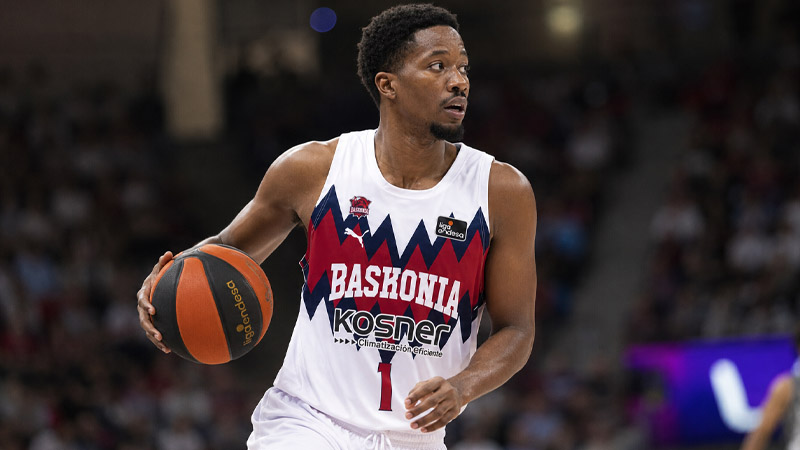
Fans and broadcasters call Mamadi Diakite by his first name because it serves as a powerful, singular brand identity established during his tenure at the University of Virginia.
This mononymic shift stems from several factors: a desire to distinguish him from the common West African surname “Diakite,” the influence of Coach Tony Bennett, and a rhythmic, three-syllable phonetic structure perfect for arena chants.
Historically, it also honors a UVA legacy started by Mamadi Diane. Today, “Mamadi” represents his infectious personality and elite defensive presence, transforming a given name into a globally recognized sports moniker.
The Cultural Significance of the Name Mamadi
The transition from a full name to a singular moniker is rarely accidental in professional sports. For this athlete, the roots of his naming convention reach far beyond the basketball court, extending into the deep historical and linguistic traditions of West Africa.
Understanding why “Mamadi” stands alone requires looking at the social fabric of his home region and the specific lineage associated with his family name.
The Manding Clan and Surname Commonality
In West Africa—specifically across nations like Guinea, Mali, Senegal, and Côte d’Ivoire—the surname “Diakité” is a foundational Manding (Mande) clan name. Because it is shared by thousands of lineages, the name is incredibly common in his home region of Conakry.
In a global sports media environment, using a surname that is shared by such a vast population can sometimes dilute an athlete’s individual brand.
Consequently, moving toward the use of “Mamadi” provided a much more distinct and singular identity that could be easily tracked and recognized by international fans and scouts.
Spiritual and Linguistic Roots of the Given Name
The name “Mamadi” itself carries significant weight within West African Islamic cultures, often translating to “Prophet” or “Diviner”. This spiritual depth adds a layer of gravitas to the player’s persona, even if fans are primarily focused on his athletic stats.
By emphasizing his first name, the media and the player himself lean into a title that carries traditional prestige and historical meaning.
This linguistic preference highlights how a given name can often hold more unique personal value than a clan surname that identifies a broad group of people rather than one specific individual.
How Tony Bennett and UVA Fans Built the Brand
While cultural roots provided the foundation, the specific environment of the University of Virginia (UVA) acted as the catalyst for the mononym’s popularity.
The collegiate atmosphere, led by a high-profile coaching staff and an energetic fanbase, transformed “Mamadi” from a simple first name into a rhythmic anthem that echoed through arenas across the United States.
The Influence of a Hall of Fame Coach
Head coach Tony Bennett played a pivotal role in normalizing the first-name basis for the star forward.
Throughout his breakout college career, Bennett frequently and affectionately referred to him as just “Mamadi” during high-stakes press conferences and post-game interviews.
When a figure as respected as Bennett consistently uses a specific name, the media and fans naturally follow suit.
This personal touch from the coaching staff helped frame the player not just as a defensive asset, but as a beloved member of the Virginia basketball family, making the use of his first name feel both natural and familiar.
The Rhythmic Power of the “Ma-ma-di” Chant
Phonetics play a massive role in how names are adopted in stadium environments. During the legendary 2019 NCAA Championship run, the three-syllable, rhythmic cadence of “Ma-ma-di” (pronounced MAH-muh-dee) proved incredibly easy for thousands of stadium fans to chant in unison.
Whether he was recording an explosive block or a slam dunk, the arena would erupt in a rhythmic “Ma-ma-di” chant.
This stadium environment solidified his first name as an active brand name, as it was more melodic and easier to synchronize than the four-syllable “dee-uh-KEY-tay”.
The Legacy of Mamadi Diane at Virginia
The history of Virginia basketball is not a blank slate, and the use of the name “Mamadi” actually serves as a bridge between two different eras of the program.
Long before the 2019 championship team took the floor, the seeds for this naming convention had already been planted by another athlete who shared a similar background and the exact same given name.
A Shared Heritage from Conakry
When the younger Diakite joined the UVA basketball program, he was walking in the footsteps of Mamadi Diane, another star from Conakry, Guinea, who had been a major figure for the Virginia Cavaliers years earlier.
The connection between the two was not merely coincidental or limited to their shared nationality; the elders of both the Diakite and Diane families actually knew each other back in West Africa.
This pre-existing social link gave the coaching staff and the UVA community a reason to embrace the name “Mamadi” with a sense of nostalgia and respect for the lineage that had preceded him.
Continuing a Cavalier Tradition
By calling the new recruit by his first name, the UVA staff recognized a continuation of a beloved basketball legacy. It was less about ignoring his surname and more about honoring a tradition of Guinean excellence at the University of Virginia.
This historical weight meant that “Mamadi” was already a name associated with success and high-level play in Charlottesville.
For the fans, it felt like the return of a familiar hero, and for the player, it provided an immediate sense of belonging within a program that already understood his cultural background and his name’s significance.
Why Broadcasters Prefer First Names in Live Sports
In the fast-paced world of live sports broadcasting, the way a name sounds and looks on a screen can dictate how often it is used.
Professional announcers and media production teams are always looking for identifiers that are punchy, easy to pronounce, and visually distinct for a global audience that may be tuning in from various regions.
Phonetic Precision and Airtime Flow
American sports announcers and color commentators frequently lean into names that are phonetically distinct. While “Diakite” is relatively simple to pronounce, “Mamadi” has a natural “bounce” to it that flows easily during live play-by-play coverage.
Media teams recognized early in his career that referring to him by his first name resonated more dynamically with television audiences.
It commands attention and stands out uniquely on a sports roster, making it a favorite for broadcasters who need to identify players quickly during rapid-fire game sequences.
Graphic Clarity for Global Audiences
Beyond the auditory appeal, “Mamadi” stands out brilliantly on broadcast sheets and graphics. In a digital era where fans consume highlights on mobile devices, shorter and more distinctive names are often more memorable.
The use of the first name creates a “singular” identity that is easy to market, much like other legendary athletes who have moved toward mononymic status.
This strategic use of his name helps media outlets build a narrative around the player as a unique “character” in the league, rather than just another player identified by a common regional surname.
Key Facts: Mamadi Diakite at a Glance
The following table provides a quick reference for the essential metrics and cultural details that define his professional and personal identity.
| Metric | Detail |
|---|---|
| Full Name | Mamadi Diakite |
| Phonetic Pronunciation | MAH-mah-dee dee-ah-KEE-tay |
| Birthplace | Conakry, Guinea |
| Name Meaning (Given) | Often translates to “Prophet” or “Diviner” |
| Primary Identifier | Mamadi (Mononymic Brand) |
| Collegiate Legacy | UVA 2019 NCAA Champion |
| Current Professional Team | Saski Baskonia (Spanish Liga ACB & EuroLeague) |
The Role of Personality in Sports Naming Conventions
The technical and cultural reasons for his name usage are bolstered by the player’s personal demeanor. Identity in sports is often a reflection of how a player connects with the public, and in this case, the name “Mamadi” became a symbol of the joy and energy he brought to the hardwood every night.
An Infectious Style of Play
He became a massive fan favorite primarily due to his larger-than-life personality and constant smiling. Whether he was celebrating a crucial block or interacting with teammates, his expressive on-court celebrations made him a singular figure in the eyes of the spectators.
Commentators and teammates alike noted that his joyful style of play made calling him by his first name feel natural and familiar. It wasn’t just a formal designation; it was a testament to how much the basketball community loved his energy.
Creating a “First-Name Basis” with Fans
When fans feel a personal connection to an athlete, they often default to first names as a sign of affection and closeness. The transition to “Mamadi” effectively put the entire UVA fanbase—and later, professional fans—on a “first-name basis” with the star.
This level of accessibility is a dream for sports marketers, as it breaks down the barrier between the elite athlete and the person watching from the stands.
By embracing this identity, he solidified a bond with the public that persists regardless of which professional jersey he is wearing.
Frequently Asked Questions About Mamadi Diakite’s Name
Is Diakite a common name in Africa?
Yes, “Diakité” is an incredibly common Manding clan surname shared by thousands of families across West Africa, particularly in Guinea, Mali, and Senegal. Using his first name helps provide a highly distinct identity in global media.
How do you properly pronounce his name?
The phonetic pronunciation of his first name is MAH-muh-dee, while his surname is pronounced dee-ah-KEE-tay. Broadcasters often prefer the first name because of its rhythmic and punchy sound during live games.
Did Coach Tony Bennett start the trend of calling him Mamadi?
While the name was already significant due to the legacy of Mamadi Diane, Coach Tony Bennett heavily popularized the usage by frequently referring to him affectionately as “Mamadi” in press conferences and interviews.
What does the name Mamadi mean?
In West African Islamic cultures, the name Mamadi often translates to “Prophet” or “Diviner”. This adds a layer of cultural and spiritual significance to his primary identifier.
Conclusion: A Masterclass in Sports Identity
The story behind why Mamadi Diakite is known primarily by his first name is a sophisticated blend of heritage and modern marketing.
From the ancient histories of the Manding clans in Guinea to the high-energy rafters of the John Paul Jones Arena, “Mamadi” has become more than just a given name—it is a symbol of a specific basketball lineage and a joyous style of play.
By leaning into a name that was phonetically rhythmic, culturally significant, and personally affectionate, Diakite and his supporters created a brand that stands out in the crowded landscape of professional sports.
Whether it is the ease of the “Ma-ma-di” chant or the legacy of those who came before him, his identity remains a testament to the power of a name to bridge cultures and capture the hearts of fans worldwide.