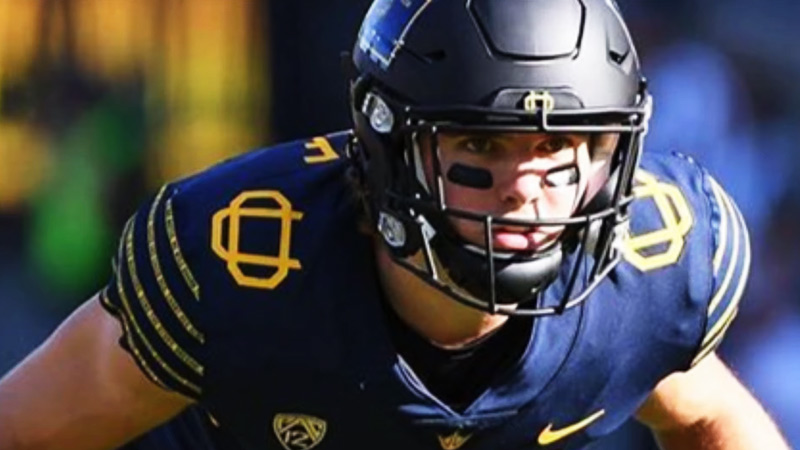
When watching a football game under the intense glow of stadium lights, casual viewers frequently notice dark markings on the faces of athletes and ask a very natural question: why do football players wear eyeliner?
While these prominent dark marks may resemble cosmetic liner from a distance, they are not makeup at all. Instead, players are wearing a specialized substance known as eye black.
This substance is typically applied as a matte black paste or as pre-cut adhesive strips placed directly on the upper cheekbones, just below the eyes.
To understand why elite athletes apply this dark barrier before stepping onto the gridiron, we must examine a fascinating intersection of optical physics, human sensory performance, cognitive psychology, and the deep-rooted rituals of competitive sports.
The Initial Misconception: Eye Black vs. Eyeliner
The visual similarity between eyeliner and eye black has led to some confusion among sports newcomers. Eyeliner is a cosmetic product designed to define the margins of the eyelids, highlighting the shape of the eyes for aesthetic appeal.
In contrast, eye black is a highly functional, performance-enhancing athletic application placed on the cheekbones rather than the eyelids.
The primary objective of eye black is to absorb light, reducing glare and optimizing an athlete’s ability to track fast-moving objects in highly illuminated environments. While cosmetics focus on visual enhancement of the face, eye black focuses on optimizing the visual performance of the eyes themselves.
The Physical Mechanics: How Eye Black Mitigates Glare
To comprehend how eye black functions, it is necessary to examine the natural physics of light reflection off human skin.
Human skin possesses natural oils and moisture. During an intense game of football, athletes sweat heavily, which creates a glistening layer of moisture across their faces.
When bright overhead stadium floodlights or direct, harsh sunlight strikes a player’s sweaty cheekbones, the wet skin acts much like a mirror.
The light refracts and bounces directly upward, entering the lower region of the eye and causing a scattering effect known as glare.
This upward-reflected glare can be exceptionally disruptive. It can cause temporary visual washouts, force athletes to squint, and dramatically lower their visual acuity at critical moments.
[Harsh Overhead Sunlight or Stadium Floodlights]
               \
                \   (Direct Light)
                 \
                  v
             [Cheekbone] ---> (Reflected Upward Glare) ---> [Pupil / Eye]
By applying a dark matte carbon-based grease or a matte black sticker to the cheekbones, players introduce a highly efficient light-absorbing barrier.
Carbon and dark pigments absorb light across the visible spectrum rather than allowing it to reflect. Instead of the incoming light bouncing off the cheekbones and into the pupils, the eye black captures the light waves, transforming the energy into mild, imperceptible heat.
This simple physical intervention dramatically lowers the volume of scattered, reflected light that reaches the player’s eyes.
For an athlete who must look upward into a bright sky or directly toward multi-directional stadium lighting to catch a pass, this reduction in secondary glare can make a substantial difference.
Contrast Sensitivity: Tracking the Ball Against the Sky
Beyond the immediate reduction of glare, eye black plays a crucial role in enhancing an athlete’s contrast sensitivity.
Contrast sensitivity is the physiological capacity to distinguish an object from its background, particularly when there are minimal differences in color or light intensity.
When a football is thrown high into the air, a receiver or defensive back must track its path against a highly illuminated background, such as a bright blue sky, white clouds, or a massive bank of artificial stadium lights.
Under these conditions, the extreme brightness of the background can easily overwhelm the eye’s photoreceptors, making the dark brown football blend into the surrounding light wash.
Scientific documentation and specialized testing show that traditional eye black grease helps increase contrast sensitivity.
By muting the surrounding light reflections off the face, the athlete’s visual system can more easily differentiate between light and dark shapes.
This allows the brain to process the boundaries of the football more quickly and track its rotation, speed, and trajectory with greater accuracy.
In a sport where a fraction of an inch determines whether a pass is caught or dropped, this visual optimization provides a critical competitive edge.
Comparing Visual Optimization Methods
To understand how eye black stacks up against other methods of visual protection, we can analyze the performance of various options available to field athletes:
| Optimization Method | Light-Absorption Level | Visual Impact | Primary Practical Drawback | Cultural Relevance |
|---|---|---|---|---|
| Traditional Matte Grease | High | Maximizes contrast sensitivity; absorbs light across the cheekbone contour. | Can smear under heavy sweat; difficult to wipe off during play. | High; viewed as iconic “war paint”. |
| Adhesive Strips / Stickers | Moderate | Good localized reflection reduction; consistent surface area. | Can peel off due to excessive sweat or facial movement. | High; allows custom logos and branding. |
| Athletic Sunglasses | Very High | Protects the entire eye from direct and reflected light. | Reduces overall light entry; can slip, fog, or impair peripheral vision. | Low in football; rarely compatible with helmets. |
| Bare Skin (No Intervention) | None | Exposed to full reflected glare off wet, sweaty skin. | Squinting; reduced contrast and tracking capability. | Neutral; baseline state. |
The Empirical Verdict: MythBusters and Scientific Testing
The real-world efficacy of eye black has been evaluated by both scientific institutions and popular science programs.
One of the most famous public investigations was conducted by the television series MythBusters, which sought to determine if this athletic tradition was grounded in hard science or if it was merely a superstitious placebo.
The investigators structured their tests to measure how well the human eye could discern shapes under intense lighting conditions with and without eye black. Their findings confirmed several key aspects of the practice:
- Reflected vs. Direct Light: The testing demonstrated that eye black does not reduce the intensity of light coming directly from the sun or floodlights into the eyes. However, it is highly effective at reducing the reflected light bouncing off the cheekbones.
- The Importance of Brimmed Headwear: Interestingly, the study suggested that eye black’s performance is significantly enhanced when paired with a brimmed hat or helmet visor. The brim shades the upper portion of the face, allowing the dark grease on the cheekbones to capture secondary reflections and scattered light far more efficiently.
- Differentiating Shapes: The tests verified that wearing eye black improves a person’s ability to distinguish dark objects against bright backgrounds. This directly supports the claim that the substance aids in tracking a football under challenging lighting.
While some academic studies show mixed results regarding its universal effectiveness across all face shapes and skin tones, many experienced players state that it provides a tangible, noticeable difference in their visual comfort and focus during high-intensity games.
The Psychological Blueprint: Ritual and the Competitive Mindset
While the optical benefits of eye black are grounded in physics, the psychological impact of the substance is equally profound. For competitive athletes, performance is as much a mental game as a physical one.
Applying eye black has evolved into a vital pre-game ritual that prepares the mind for competition.
The Focus Cue
For many football players, the pre-game routine is a highly structured series of steps designed to build focus and eliminate external distractions.
Applying grease or placing adhesive strips on the face serves as a physical and mental transition.
It acts as a cognitive “switch” that signals the end of preparation and the beginning of battle, helping the player center their attention and enter a state of deep athletic flow.
The Warrior Aesthetic (War Paint)
There is an undeniable psychological power in appearance. When athletes apply thick, dark lines across their cheeks, it immediately evokes the imagery of ancient warriors preparing for combat. This modern adaptation of “war paint” helps players tap into an aggressive, highly focused competitive persona.
[Pre-Game Ritual: Applying Eye Black]
                 |
                 v
     [Activation of Warrior Persona]
                 |
                 v
[Heightened Confidence & Visual Preparation] ---> [Optimized Field Performance]
By presenting a fierce, unified, and intense visual appearance, players can bolster their own self-worth and confidence while projecting an intimidating presence to their opponents.
Feeling “hardcore” or visually striking can have a genuine, positive impact on an athlete’s physical execution and assertiveness on the field.
The Evolution of Style: From Utility to Modern “Drip”
Over the past several decades, eye black has evolved from a purely functional utility tool into a major canvas for personal expression and athletic fashion.
In modern sports culture, style is heavily intertwined with performance, and eye black has become a primary element of an athlete’s personal aesthetic.
Initially, players applied simple, modest horizontal lines beneath each eye to capture reflections. Today, however, players use eye black to display unique personal flair:
- Custom Smears: Many athletes prefer thick, sweeping strokes that extend down the cheeks or wrap around the jawline, creating a highly customized, dramatic appearance.
- Branded adhesive strips: Pre-cut stickers allow players to feature team logos, numbers, or brand insignia, turning a piece of protective gear into a subtle marketing or team-unity tool.
- Symbolic Designs: Some players paint specific shapes, such as crosses or personal symbols, onto their cheeks. While these designs may not always align with the strict optical science of glare reduction, they hold deep personal or spiritual meaning for the individual athlete.
Why Don’t We See Eye Black in All Outdoor Sports?
A common question that arises is why eye black is so prominent in football and baseball, but rarely seen in other outdoor sports such as golf, tennis, or soccer.
The answer lies in a combination of equipment design, face-cleansing opportunities, and sport-specific culture.
- Equipment Compatibility: Football players wear heavy helmets with face cages. This makes wearing traditional sunglasses highly impractical, as glasses can slip, fog up, or break under high-impact collisions. Therefore, eye black is the safest and most reliable alternative for football players to reduce glare.
- Sweat and Cleansing: In sports like tennis or golf, athletes have frequent opportunities to wipe sweat from their faces using towels or wristbands. In football, players are wearing tight helmets and heavy gloves, making it extremely difficult to wipe sweat from their cheeks during play. Because sweat remains on the face and refracts light, the light-absorbing barrier of eye black remains critical throughout the game.
- Culture and Tradition: Over nearly a century of play, eye black has woven itself into the fabric of football and baseball culture. It carries a heavy association with the physicality, intensity, and brotherhood of these sports—a cultural signal that is less aligned with the traditional etiquette of sports like golf or tennis.
Summary of the Athletic Benefits
The decision to apply eye black before a game is driven by three core pillars of athletic preparation:
- Visual Optimization: Absorbs reflected glare off sweaty cheeks, improving contrast sensitivity and allowing for faster tracking of the ball against bright backgrounds.
- Mental Conditioning: Serves as a pre-game ritual and focus cue, transitioning the athlete’s mindset into a highly focused state.
- Team Unity & Identity: Projects a fierce, modern warrior aesthetic that builds self-confidence and intimidating visual presence on the field.
Whether applied as a calculated tool for visual precision or worn as modern war paint to build competitive focus, eye black is far more than a simple cosmetic choice.
It is a legendary fusion of science and sport, helping athletes perform at their absolute peak under the most demanding lights in the world.