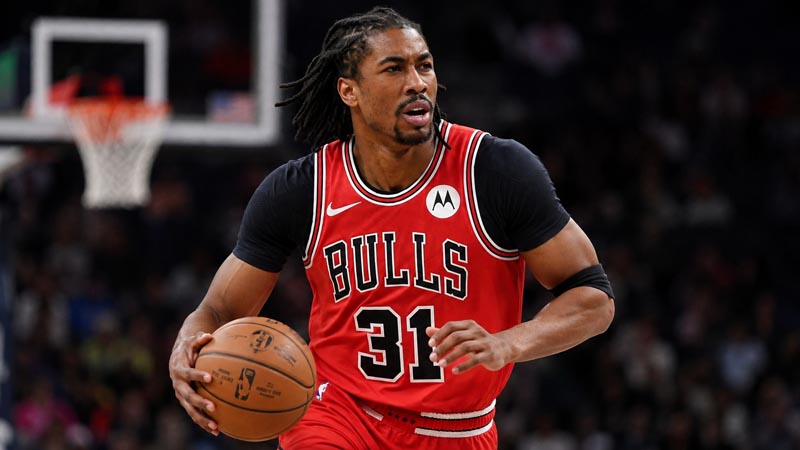
Jaden Ivey, a South Bend native with deep roots at Notre Dame through his parents Niele Ivey and Javin Hunter, famously chose Purdue.
This decision was driven by his desire for an independent identity, Purdue’s aggressive recruiting led by Matt Painter, and the superior competitive trajectory of the Boilermakers at the time.
While local fans expected a “hometown lock,” Ivey felt leaving South Bend was essential for his maturity and professional development.
Ultimately, Purdue’s early belief in his talent and their offensive system provided the perfect NBA launchpad, overriding the traditional expectations of family legacy and community pressure in his hometown.
The Influence of Family Legacy at Notre Dame
To understand why the recruitment of Jaden Ivey was so significant, one must first recognize the sheer weight of his family’s history within the Notre Dame athletic department.
For many observers in Indiana, it seemed almost unthinkable that a player with such deep ties would wear any colors other than blue and gold.
Niele Ivey’s Championship History
Niele Ivey is a name synonymous with Fighting Irish success. As an All-American point guard, she was a primary architect of the program’s 2001 National Championship.
During Jaden’s high school years, she served as an assistant coach for the Notre Dame women’s team, later ascending to the head coaching position.
This proximity meant Jaden essentially grew up on the university’s campus, making the basketball facilities a second home.
Javin Hunter’s Impact on the Field
The legacy extended beyond the basketball court and onto the football field. Jaden’s father, Javin Hunter, was a standout wide receiver for the Notre Dame football team in the early 2000s.
With both parents having achieved high-level success as student-athletes in South Bend, the narrative of Jaden being a “hometown lock” was bolstered by years of family excellence.
This created a pre-determined path that Jaden ultimately felt he needed to deviate from to find his own voice.
How Matt Painter Out-Recruited the Competition
While Notre Dame may have relied on the natural pull of family history, Matt Painter and the Purdue coaching staff took a much more proactive and aggressive approach to securing Ivey’s commitment.
They did not treat his recruitment as a formality but as a high-stakes battle for an elite talent that others were slow to recognize.
The Significance of the First Scholarship Offer
One of the most pivotal moments in this journey was Purdue’s decision to be the first program to extend a scholarship offer to Ivey. Being the first to “see something” in a player creates a unique bond of trust and loyalty.
Ivey frequently mentioned that the Purdue staff identified his potential while other programs were still hesitant or distracted by his high-profile family ties. This early validation was a cornerstone of his relationship with the Boilermaker staff.
Scouting the AAU Circuit with Intensity
Beyond just the early offer, the Purdue staff maintained a heavy presence during Ivey’s performances on the AAU circuit.
They prioritized him as the top target for their 2020 recruiting class, ensuring he felt like a centerpiece rather than just another local prospect.
By scouting his raw athleticism before national scouts fully caught on, Matt Painter demonstrated a level of belief that resonated deeply with a young athlete looking for a coach who truly understood his game.
Why Jaden Ivey Rejected the “Hometown Lock” Narrative
The term “hometown lock” is often used for elite recruits who live in the same city as a major university, but for Ivey, this label became a point of contention rather than a source of comfort.
The external expectations from the South Bend community played a major role in his final decision.
| Factor | Impact on Decision | Ivey’s Perspective |
|---|---|---|
| Community Pressure | Negative | Constant external pressure actually pushed him in the opposite direction. |
| Campus Familiarity | Neutral to Negative | Having grown up on campus, he felt he had already experienced everything it had to offer. |
| Local Media | High | The assumption that he was “guaranteed” for Notre Dame motivated him to prove them wrong. |
| Personal Growth | Priority | He believed leaving his comfort zone was essential for reaching maturity. |
The Psychological Drive for Personal Independence
A recurring theme in Ivey’s recruitment was the need to establish an identity that was entirely his own. For a young man whose parents were icons at a specific institution, staying in South Bend would have meant living in their shadows for another four years.
Stepping Out of the South Bend Bubble
Ivey attended Marian High School locally and had spent his entire life within the confines of the South Bend environment. He explicitly stated during the recruitment process that he had never truly experienced life outside of that bubble.
To him, moving to West Lafayette represented a necessary step toward personal growth and independence. He felt that the familiarity of Notre Dame might hinder his ability to mature as an individual.
Responding to External Community Pressure
The constant noise from fans and community members trying to dictate his future had a counterproductive effect.
Ivey admitted that the more people tried to force the Notre Dame narrative upon him, the more he felt inclined to say “Nope” and forge an independent legacy.
This psychological resistance to being “told” where to go highlights a strong-willed personality that prioritized authenticity over convenience.
Comparing Program Trajectories in 2019
Basketball decisions are rarely made in a vacuum; the relative health and momentum of the competing programs are always factors.
When Ivey committed in 2019, the contrast between Purdue and Notre Dame was stark, both in terms of recent success and future outlook.
Elite Eight Momentum as a Catalyst
Purdue was entering a golden era under Matt Painter. In early 2019, the Boilermakers secured a Big Ten regular-season championship and followed it up with an electric run to the Elite Eight, where they were seconds away from a Final Four berth.
Ivey watched these high-stakes games and could vividly see himself thriving in a winning culture that was already competing at the highest level of the sport.
The Decline of the Fighting Irish
While Purdue was rising, the Notre Dame men’s basketball program was facing significant challenges. During the 2018–19 season, the Fighting Irish struggled significantly, finishing with a 14–19 overall record and a dismal 3–15 record in the ACC.
For a recruit with NBA aspirations, the lack of competitive momentum in South Bend made it a less attractive launchpad compared to the thriving system established in West Lafayette.
Strategic Fit and the Road to the NBA
Ultimately, Jaden Ivey’s goal was to reach the professional level, and he analyzed his college choices through the lens of player development. He needed a system that would maximize his unique physical tools and prepare him for the rigors of the NBA.
- Offensive System: Ivey was drawn to Purdue’s fast-paced, heavy-shooting offensive philosophy.
- Skill Development: Matt Painter’s reputation for developing guards into professional prospects was a major selling point.
- Role Definition: He saw a clear path to being a primary playmaker at Purdue, whereas the situation at Notre Dame was less certain.
- National Exposure: Playing in the Big Ten for a top-ranked team ensured he would be under the spotlight of NBA scouts constantly.
Frequently Asked Questions About Ivey’s Recruitment
Did Niele Ivey want Jaden to go to Notre Dame?
While she was an assistant coach at Notre Dame at the time, Niele Ivey has always been public about supporting Jaden’s happiness and his need to find the right fit for his career, even if that meant playing for a rival institution.
Was Jaden Ivey ever close to committing to Notre Dame?
Because of his family ties, Notre Dame was always a consideration, but the aggressive recruitment by Purdue and his own desire to leave his comfort zone meant that Purdue held the lead for much of the process.
How did the South Bend community react to his choice?
The decision was met with shock by many who viewed him as a “hometown lock.” However, Ivey’s success at Purdue and his eventual selection as a top-five NBA pick validated his decision to choose the path that best suited his development.
Why did Purdue start recruiting him so early?
Matt Painter and his staff are known for identifying raw athletic talent before it is refined. They saw Ivey’s elite speed and verticality on the AAU circuit and moved quickly to offer him his first scholarship, making him their top priority.
Conclusion: A Legacy Defined on His Own Terms
Jaden Ivey’s journey from a South Bend legacy to a Purdue icon serves as a powerful case study in modern recruitment.
It proves that even the deepest family ties and the most intense community pressure can be overcome by a program that offers a clear vision, early belief, and a superior competitive environment.
By choosing to step away from the familiar halls of Notre Dame, Ivey was able to grow into the player and person he wanted to be.
His time at Purdue did not just lead to wins in Mackey Arena; it provided the independent platform he needed to launch a successful career in the NBA, proving that sometimes the best way to honor a legacy is to build a new one.