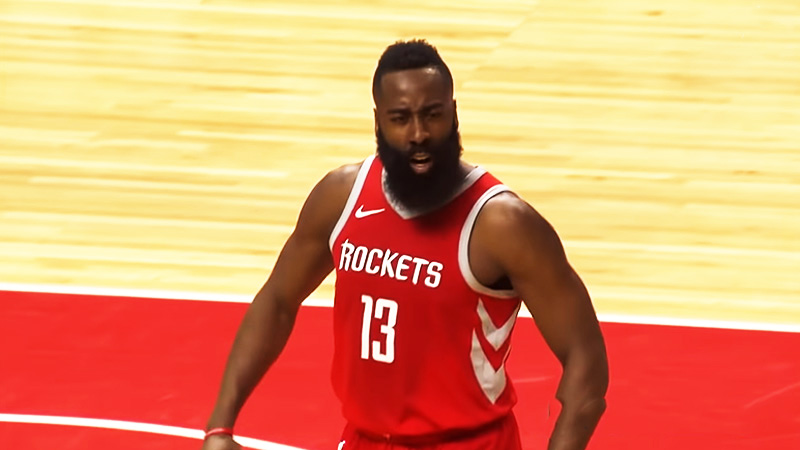
James Harden’s exit from the Brooklyn Nets in February 2022 was driven by a combination of organizational dysfunction, roster instability, and interpersonal friction.
Primarily, Harden grew frustrated with Kyrie Irving’s “part-time” availability due to vaccine mandates, which forced Harden to carry an excessive offensive load while managing his own injuries.
Additionally, a lack of clear team structure and disagreements with head coach Steve Nash’s tactical decisions further alienated the superstar.
Ultimately, Harden realized the “Big Three” vision was unattainable, prompting his request for a trade to the Philadelphia 76ers to pursue a championship elsewhere.
The Kyrie Irving Effect: How Part-Time Play Broke the Team
The most significant catalyst for the trade request was the lack of consistency regarding roster availability, specifically concerning the “Big Three” of Harden, Durant, and Irving.
Harden moved to Brooklyn specifically to win an NBA championship, but the reality of the situation quickly diverged from the vision.
The Vaccine Mandate and Availability Crisis
During the 2021-2022 season, Kyrie Irving’s refusal to receive the COVID-19 vaccine led to him being ineligible for home games in New York City. This created a unique “part-time” status that essentially meant the team lacked one of its top stars for half the season.
For a player like Harden, who had left a stable situation in Houston to join a superteam, this inconsistency was a dealbreaker. He felt the burden of regular-season leadership fell disproportionately on him, leading to a sense of isolation within the locker room.
Increased Workload and Physical Strain on Harden
Because Irving was absent for home games and Kevin Durant dealt with his own injury setbacks, Harden was forced to play heavy minutes and carry a massive offensive workload.
At the time, Harden was already managing lingering hamstring injuries that required careful management. Instead of being able to ramp up slowly for the playoffs, he was forced into high-usage roles that exacerbated his physical fatigue.
The 16 total games the trio played together over an 18-month span highlighted the futility of staying in a situation where the projected potential would never be realized.
Did James Harden Clash with Coach Steve Nash?
Beyond the availability issues with teammates, the organizational philosophy in Brooklyn created deep-seated tension.
Harden, an elite floor general accustomed to a specific style of play, found himself at odds with the leadership and coaching staff regarding how the team should be managed on and off the court.
Tactical Disagreements and Offensive Philosophy
Harden arrived in Brooklyn after years of playing in a rigid, ISO-heavy system under Mike D’Antoni in Houston, where his roles and responsibilities were clearly defined.
In contrast, head coach Steve Nash employed a more fluid offensive system with frequent tactical adjustments and rotating lineups. Reports suggest that Harden grew frustrated with Nash’s late-game strategic choices and a perceived lack of structural clarity.
He preferred a more traditional, superstar-led approach that he felt gave the team the best chance to win during high-pressure moments.
Friction with the Training Staff and Conditioning
Another point of contention involved the team’s medical and training staff. Harden reportedly became frustrated with an organizational focus that prioritized rest and recovery over high-level conditioning.
Ironically, this frustration was mirrored by the organization; while Harden wanted better conditioning protocols, the team was concerned that he had arrived at training camp in poor physical shape.
This disconnect created a culture of mutual dissatisfaction, where the player felt unsupported in his preparation and the team felt the player wasn’t meeting his professional obligations.
Analyzing the Friction Between Kevin Durant and James Harden
While Durant and Harden were longtime friends dating back to their days in Oklahoma City, the pressure of the Brooklyn project caused their relationship to erode.
The interpersonal dynamics between the two stars shifted as the team’s championship aspirations began to slip away during the winter of 2022.
Conditioning Concerns and Camp Readiness
Kevin Durant was reportedly vocal about his frustration regarding Harden’s physical state at the start of the 2021-2022 season.
Durant, known for his relentless work ethic and meticulous care for his body, viewed Harden’s lack of conditioning as a sign of a lack of commitment to the championship goal.
This tension simmered throughout the season, with Durant eventually supporting the front office’s decision to move on from Harden when it became clear the guard no longer wanted to be in Brooklyn.
The Battle Over Team Culture and Accountability
Harden felt that Durant was being too protective of Kyrie Irving’s personal choices. From Harden’s perspective, the team needed to prioritize winning over accommodating individual stances that kept players off the court.
When Durant suffered a knee injury in January 2022, leaving Harden as the sole superstar for home games, the frustration reached a boiling point.
Harden saw a lack of internal accountability for the team’s declining performance and felt the “Big Three” project was fundamentally flawed from a cultural standpoint.
Timeline of the James Harden Trade to Philadelphia
The exit was not a sudden event but a gradual decline that culminated in a blockbuster deadline deal. The following table outlines the key milestones that led to the dissolution of the partnership.
| Date | Event | Impact |
|---|---|---|
| January 2021 | Harden traded to Brooklyn | The “Big Three” era officially begins. |
| Spring 2021 | Playoff injuries vs. Milwaukee | Harden and Irving both suffer injuries; Nets lose in 7. |
| Fall 2021 | Vaccine Mandate | Irving becomes a part-time player; Harden enters camp out of shape. |
| Jan. 2022 | Durant Knee Injury | Harden is left isolated; frustration boils over in public play. |
| Feb. 10, 2022 | Trade Deadline | Harden is traded to the 76ers for Ben Simmons and picks. |
The Aftermath: Why James Harden Was Eventually Vindicated
In the immediate wake of the trade, James Harden faced significant public backlash and was labeled a “quitter” for forcing his way out of two organizations in 13 months. However, the subsequent events in Brooklyn led many to re-evaluate his decision to leave early.
The Subsequent Departures of Durant and Irving
The “dysfunction” Harden cited was proven to be systemic rather than isolated to his presence. Within a year of Harden’s departure, both Kyrie Irving and Kevin Durant also requested trades and were moved to the Dallas Mavericks and Phoenix Suns, respectively.
The entire Brooklyn superteam project collapsed without winning a title or even reaching a Conference Final together. Harden later noted that these exits validated his decision to leave a situation he knew was not sustainable for winning at the highest level.
Harden’s Legacy: From Villain to Visionary
Harden’s ability to identify the organizational cracks before they became public chasms has shifted the narrative around his exit.
While he was criticized for his passive-aggressive on-court behavior in his final weeks as a Net, he maintained that he didn’t want to deal with the lack of structure and the part-time availability of his peers.
He chose to prioritize a more stable basketball environment in Philadelphia, where he could pursue a championship alongside Joel Embiid in a more traditional organizational framework.
Frequently Asked Questions about the Nets Collapse
How many games did the Nets Big Three play together?
James Harden, Kevin Durant, and Kyrie Irving played only 16 total games together over the course of a year and a half. Despite their limited time on the floor, they were incredibly effective, boasting a 13-3 record in those contests.
What did the Nets get in exchange for James Harden?
In the blockbuster February 2022 deal, the Nets received Ben Simmons, Seth Curry, Andre Drummond, and two first-round draft picks.
While the package looked strong on paper, Simmons’ subsequent injury struggles meant the Nets never recaptured the elite status they held during the Harden era.
Why did Harden feel vindicated after leaving?
Harden felt vindicated because the “dysfunction” he pointed to eventually led his co-stars to also demand trades.
He realized early on that the team lacked the foundational structure necessary for success, and the eventual total collapse of the franchise’s roster proved his instincts were correct.