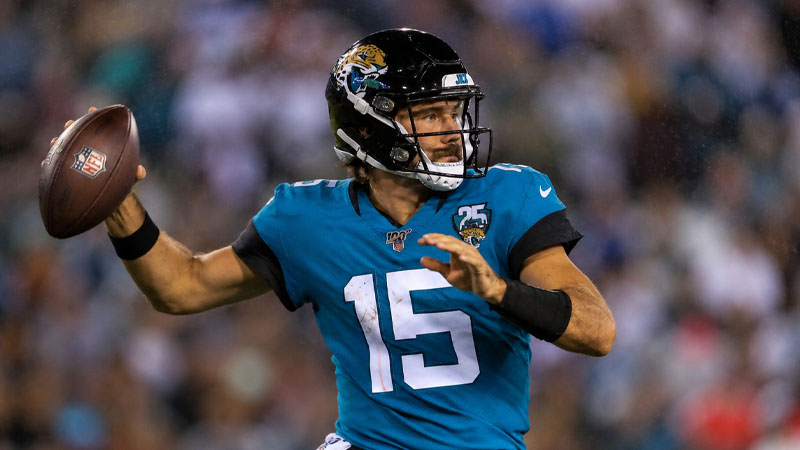
Gardner Minshew tried to break his hand in 2016 to secure an NCAA medical redshirt and save a year of eligibility.
Playing quarterback for East Carolina University, he had unexpectedly entered a game for just thirty minutes after the starter suffered a concussion.
Under strict contemporary rules, playing a single snap burned his entire season of eligibility. Frustrated by this wasted year, Minshew drank Jack Daniel’s and struck his throwing hand with a hammer nine times.
However, the bones held, forcing him to play through the swelling and lose his redshirt anyway. This legendary tale highlights his obsessive drive to play.
Why Did Gardner Minshew Try to Break His Own Hand?
To fully comprehend why an aspiring athlete would take such drastic measures, one must explore the intricate system of collegiate football rules and the sudden twist of fate that threatened his athletic career.
Wasting an Entire Season for Thirty Minutes of Play
In 2016, Minshew transferred from Northwest Mississippi Community College to East Carolina University, planning to sit out the season as a redshirt behind senior quarterback Philip Nelson.
However, during a Week 4 matchup against Virginia Tech, Nelson suffered a concussion, thrusting Minshew onto the field for a mere thirty minutes.
Realizing he had burned a whole year of eligibility for just one half of action, deep frustration set in as Nelson was slated to return the following week.
The NCAA Eligibility Loophole of the Medical Redshirt
Under the prevailing NCAA bylaws, any participation in a game—even for a single play—instantly voided a player’s ability to claim a standard redshirt year.
The only remaining loophole was securing a medical redshirt, which required a documented, season-ending injury to preserve that precious year of eligibility.
Minshew calculated that a fractured bone in his throwing arm was the cleanest, most undeniable path to qualifying for this medical exemption.
The Infamous Hammer and Whiskey Incident Detailed
What followed in Minshew’s college room became one of the most bizarre and celebrated stories in recent football history, demonstrating the extreme lengths to which he was willing to go.
Preparing with a Bottle of Jack Daniel’s
To prepare for the excruciating pain of breaking his own bones, Minshew decided he needed to numb his senses. He retreated to his room completely alone, armed with a heavy household hammer and a bottle of Jack Daniel’s whiskey.
After taking several deep, heavy pulls of the alcohol to establish a baseline of pain tolerance, he placed his right hand completely flat on a table to begin the self-inflicted task.
The Failed Attempt to Break the Throwing Hand
Holding the hammer in his left hand, Minshew struck his right throwing hand three times with force. Shockingly, the bones held firm. Frustrated, he took another swig of whiskey and struck it three more times, yet his hand remained unbroken.
In a final act of desperation, he delivered three more blows, totaling nine hammer strikes. Despite the incredible blunt force, his hand refused to fracture, leaving him bruised but unbroken.
Why the Human Mind Resists Self-Inflicted Injury
Minshew later reflected on why his desperate plan ultimately failed, joking that because he is right-handed, he was forced to swing the hammer with his weaker, non-dominant left hand.
This physical limitation prevented him from generating sufficient power to crack the bone.
Physiologically, the human brain also possesses powerful protective mechanisms that make it incredibly difficult to override the instinct of self-preservation, limiting the force of self-harm.
The ECU Aftermath and the Car Door Cover Story
With the physical trial concluded, Minshew had to confront the immediate reality of practice the following morning, managing both severe swelling and the potential fallout from coaching staff.
Showing Up with a Bruised and Swollen Hand
The next morning, Minshew arrived at the East Carolina University athletic facility with a right hand that was immensely swollen, bruised, and heavily discolored from the hammer blows.
Knowing that revealing his bizarre self-injury plan would lead to severe disciplinary trouble, he fabricated a cover story, telling his coaches he had accidentally slammed his hand in a car door.
Playing Through Pain and Burning the Redshirt Anyway
Because his hand was swollen but not broken, Minshew had no choice but to play through the immense discomfort. He ended up appearing in seven games for the Pirates that season, throwing for 1,347 yards and eight touchdowns.
Since he continued playing, the attempt to get a medical redshirt failed completely, meaning he burned his full year of eligibility for a very challenging season.
Comparing Then and Now: How College Football Rules Have Changed
The desperation that drove Gardner Minshew to such extreme lengths highlights the rigid nature of athletic regulations a decade ago. Today, college athletes navigate a far more accommodating and flexible eligibility landscape.
| Rule Category | The 2016 Regulatory Environment | The Modern Regulatory Environment |
|---|---|---|
| Standard Redshirt Limit | Playing even a single snap burned an entire year of eligibility. | Players can appear in up to four games and still preserve their redshirt status. |
| Medical Exemption Bar | Required a verified, season-ending injury occurring early in the schedule. | Still requires injury documentation, but is less pressured due to standard 4-game rules. |
| Transfer Portal Rules | Transfers often faced strict sitting periods, limiting immediate playtime. | One-time transfer exceptions permit immediate eligibility and play. |
| NIL Opportunities | Student-athletes received zero compensation, increasing pressure to play early. | Athletes can earn money, easing financial and career timeline anxieties. |
- 1. Reduced Injury Pressure: Modern athletes no longer feel pressured to seek severe injury exemptions because they can play in up to four games without burning a full season.
- 2. Transfer Flexibility: The introduction of graduate transfer pathways (which Minshew later utilized to join Washington State in 2018) has expanded, allowing immediate eligibility and reducing desperate measures.
- 3. Greater Athlete Autonomy: Modern regulations prioritize student-athlete well-being and mental health, reducing the systemic pressures that drove players to physical extremes.
The Cultural Impact of the Minshew Mania Origin Story
While the hammer incident was undoubtedly dangerous and counterproductive, it eventually transformed into a cornerstone of Minshew’s public identity and helped fuel his rapid rise to football prominence.
The Uncanny Parallels to Alex Moran and Uncle Rico
When Minshew finally revealed this bizarre tale during his professional career, football fans immediately drew humorous comparisons to iconic pop culture figures.
Many likened him to Alex Moran, the fictional backup quarterback from the show Blue Mountain State, who famously sought to avoid starting to preserve a comfortable bench role.
Others pointed to Napoleon Dynamite’s legendary Uncle Rico, whose eccentric, mustache-fueled swagger perfectly mirrored Minshew’s unique persona.
How Pathological Drive Prepares Athletes for Greatness
Though Minshew himself later admitted that striking his hand with a hammer was a “pretty dumb” idea, the story cemented his reputation for having an unmatched, obsessive commitment to his craft.
For many fans and analysts, this alarming willingness to do whatever it took to preserve his playing years was early evidence of the intense grit and mental toughness required to succeed at the highest levels of professional football.
Frequently Asked Questions About Minshew’s Hand Injury
Did Gardner Minshew actually break his hand with a hammer?
No, Gardner Minshew did not succeed in breaking his hand. Despite striking his right hand a total of nine times across three separate attempts, the bones held firm. He ended up playing through the swelling and bruising during the 2016 season.
What whiskey did Gardner Minshew drink during the incident?
Minshew drank Jack Daniel’s whiskey to help numb the anticipated pain of hitting his own bones with a hammer. He took several heavy pulls of the alcohol between his hitting attempts.
How did Minshew explain the injury to his coaches?
To avoid disciplinary action for his dangerous scheme, Minshew lied to the East Carolina University coaching staff, claiming that he had accidentally slammed his hand in a car door.
Did his plan to get a medical redshirt work?
No, the plan failed completely. Because his bones did not break, he continued to play in seven games that year, which completely burned his standard eligibility for that season under contemporary NCAA bylaws.
How did this story become public knowledge?
Minshew first shared the story publicly during an episode of the Pardon My Take podcast in 2019. Before that, he had only told his Washington State University teammates in their locker room.
Conclusion: A Legendary Legacy Forged in Steel
Ultimately, the legendary tale of Minshew’s hammer serves as a testament to the sheer, borderline pathological willpower of an athlete who refused to let his career path be dictated by rigid athletic regulations.
While his self-injury attempt was highly dangerous, painful, and ultimately unsuccessful, it has become a central chapter in the cult of “Minshew Mania”.
Today, Minshew stands as a unique figure in professional football—an eccentric backup and sometime starter who won the hearts of fans through passionate play, a memorable mustache, and a willingness to do damn near anything to stay on the field.
As collegiate rules continue to evolve to protect athletes, the era of taking a hammer to one’s own hand to bypass eligibility rules remains a wild, unforgettable artifact of the past.