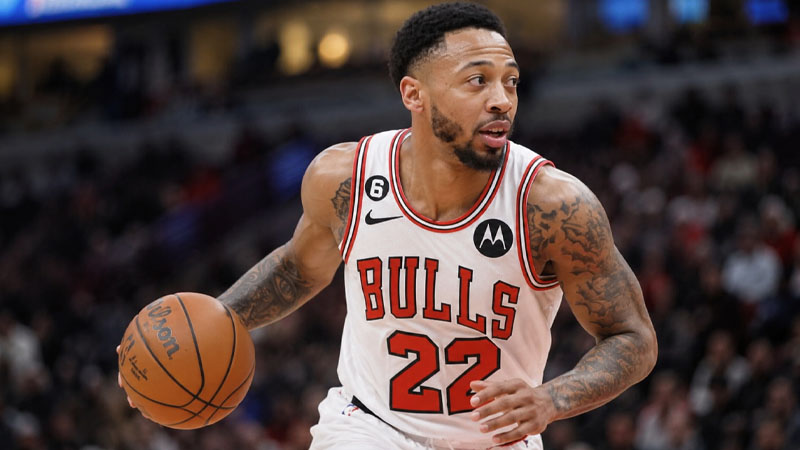
Carlik Jones is not playing for South Sudan in today’s FIBA World Cup Qualifiers because the South Sudan Basketball Federation made a strategic roster decision to omit him from the current 12-man squad.
This move is not related to an active injury; Jones concluded his season with Partizan Belgrade in good health.
Along with other key stars like Wenyen Gabriel and Nuni Omot, Jones is being rested to allow the federation to evaluate depth and manage player workloads during the early qualification windows.
The team is currently utilizing a roster featuring players like JT Thor and Jackson Makoi.
Understanding the South Sudan Basketball Federation’s Strategic Decision
The absence of a marquee player like Carlik Jones often sparks immediate concern among fans and analysts, yet the rationale behind this move is grounded in long-term organizational planning.
The federation has opted for a significant roster shift for this specific window of the FIBA Basketball World Cup Qualifiers.
By rotating the squad, the coaching staff can provide high-stakes international experience to emerging talents while ensuring that their top-tier overseas professionals remain fresh for the most critical stages of the tournament cycle.
The Logic of Player Rotation in International Windows
National team programs frequently navigate the complex intersection of player availability and club commitments.
Since Carlik Jones recently completed a demanding professional season in Europe, the federation likely viewed this window as the ideal time to implement a rest period.
This approach prevents burnout and reduces the cumulative physical toll on players who are expected to lead the team during the final tournament rounds.
It also ensures that the “next man up” philosophy is ingrained within the squad’s culture, making the team more resilient against potential future absences.
Evaluating Depth Against Group B Opponents
South Sudan’s current standing and the quality of their opposition in Group B—which includes Libya, Cameroon, Tunisia, and Rwanda—provided the luxury of experimenting with the lineup.
The federation appears confident that the current 12-man group, led by versatile players like Deng Adel and Jackson Makoi, possesses the necessary skill set to remain competitive in these early matchups.
Testing the roster’s depth now allows the technical bench to identify which role players can step into larger responsibilities when the pressure intensifies in later stages.
Current Health Report: Is Carlik Jones Dealing with an Injury?
For those searching for medical updates, the consensus from official reports is clear: Carlik Jones is currently healthy. His exclusion from today’s game is purely a tactical choice rather than a forced sideline due to physical trauma.
While his history includes some significant time away from the court, his current status is described as “resting or rotated out” by the national federation.
| Period | League/Team | Reason for Absence | Resolution Method |
|---|---|---|---|
| July 2026 | South Sudan (FIBA) | Strategic Roster Rotation | General rest and load management. |
| Oct 2025 – Feb 2026 | Partizan Belgrade | Fractured 5th Metatarsal | Immobilization, boot, and physical therapy. |
| 2023 – 2024 | NBA / G-League | Minor Knocks & DNP-CD | Standard training room rehab and coach decisions. |
The Historical Context of Carlik Jones’ Availability
While Jones is healthy today, his career has been marked by a notable period of resilience following a major injury in late 2025.
Understanding this history provides context for why the South Sudan Basketball Federation might be extra cautious with his minutes during qualification windows that do not strictly require his presence.
His previous recovery process serves as a blueprint for how the federation and his club teams handle his physical longevity and peak performance.
Recovery from the Fractured Fifth Metatarsal
In October 2025, while competing for Partizan Belgrade, Jones suffered a fractured fifth metatarsal in his left foot. This specific type of injury is notoriously difficult for guards who rely on explosive lateral movement and quick pivots.
Jones was sidelined for four months, missing EuroLeague Rounds 6 through 28. His recovery required a strict medical protocol involving the use of a protective walking boot and crutches to ensure zero weight-bearing on the affected limb during the initial healing phase.
Returning to EuroLeague MVP Form
The success of his previous rehabilitation is evidenced by his spectacular return to professional play. After undergoing progressive physical therapy to restore ankle mobility and foot strength, Jones returned to the court on February 25, 2026.
His comeback was so effective that he earned the EuroLeague MVP of the Month award for March 2026.
This history of high-level performance following a major injury suggests that both Jones and his medical advisors are highly adept at managing his physical state, further supporting the idea that his current absence is a proactive rest measure rather than a setback.
Who is Leading South Sudan in the FIBA Qualifiers Today?
With stars like Jones, Gabriel, and Omot watching from the sidelines, a new core of players has stepped into the spotlight to carry the national flag.
This 12-man group represents a mix of established veterans and promising prospects who are eager to solidify their place in the national team’s future plans.
The federation has emphasized that this roster remains highly capable of competing at the highest level within the African continent.
- Jackson Makoi: A dynamic playmaker who is expected to shoulder much of the ball-handling and distribution duties usually reserved for Jones.
- JT Thor: Bringing NBA-caliber athleticism and defensive versatility to the frontcourt, Thor is a central figure in the team’s current tactical setup.
- Deng Adel: A seasoned professional whose leadership and scoring ability provide a stabilizing presence for the younger members of the squad.
- Garang Diing Akol Ding: A key interior presence who will be vital for rebounding and rim protection against physical opponents like Cameroon.
Evaluating the Strategic Advantages of Squad Rotation
The decision to bench a player of Jones’ caliber is never taken lightly, but the strategic advantages of squad rotation extend beyond mere rest.
By utilizing a different 12-man group, South Sudan is essentially building a “two-deep” roster that can withstand the rigors of international travel and varying styles of play.
This foresight is critical for a nation that has rapidly ascended the global basketball rankings and now faces higher expectations on the world stage.
Developing Bench Strength for Future Windows
In international basketball, the “window” system often means that the players who qualify the team are not always the same players who suit up for the final tournament.
By giving players like Garang Diing Akol Ding and Jackson Makoi significant minutes today, the federation ensures that the entire player pool is “battle-tested”.
This creates a competitive internal environment where no spot is guaranteed, pushing every athlete to perform at their peak.
Mitigating Long-Term Burnout for Key Playmakers
The modern basketball calendar is relentless. For a player like Carlik Jones, who balances the intensity of the EuroLeague with the pride of representing South Sudan, the risk of overexertion is a legitimate concern.
The federation’s choice to rotate him out of this window allows him to focus on off-season conditioning and recovery.
This ensures that when the World Cup or other major championships arrive, Jones will be at 100% capacity, both mentally and physically, to lead the team against the world’s best.
Frequently Asked Questions Regarding South Sudan Basketball
Will Carlik Jones return for the next qualification window?
While the federation has not released a definitive schedule for future rosters, it is highly anticipated that Carlik Jones will return for the more critical qualification rounds.
His current absence is a “strategic coach decision” for this specific window, meaning his status as a pillar of the national program remains unchanged.
Fans should expect to see him back in the lineup once the federation deems it necessary to deploy their full-strength squad.
Are other stars like Wenyen Gabriel also resting?
Yes, the South Sudan Basketball Federation confirmed that prominent stars Wenyen Gabriel and Nuni Omot were also left off the 12-man list for the start of these qualifiers.
Much like Jones, their absence is part of a broader organizational strategy to manage the squad’s assets and test new talent.
This collective rest for the “Big Three” of South Sudanese basketball signals a coordinated effort to prioritize long-term success over immediate roster continuity.
Conclusion: A Forward-Looking Approach to Excellence
The absence of Carlik Jones in today’s game is a testament to the growth and sophistication of the South Sudan Basketball Federation.
Rather than relying solely on a few individual stars, the program is demonstrating its ability to manage a deep talent pool with a professional, long-term perspective.
By prioritizing health, rest, and the development of the broader roster, South Sudan is positioning itself as a sustainable powerhouse in international basketball.
While fans may miss the elite playmaking of Jones today, the strategic shift ensures that the team remains a formidable force for years to come.
As the team navigates Group B against tough opponents like Tunisia and Rwanda, the focus remains on the bigger picture: securing a spot on the global stage with a healthy, experienced, and deep roster.
Carlik Jones remains the heartbeat of this team, and his current rest is simply a calculated pause in a career defined by resilience and elite performance.