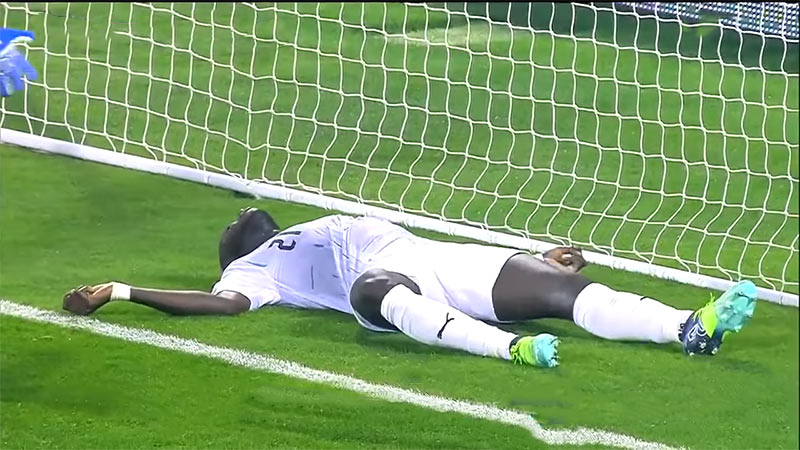
The sight of an elite athlete collapsing on the pitch is one of the most jarring images in modern sports. These individuals represent the pinnacle of human health, undergoing rigorous daily training and constant medical supervision.
However, when a player falls without contact, the immediate public assumption is often a “heart attack.” While the term is frequently used by the media, it rarely describes the physiological reality of these tragedies.
Understanding the distinction between a typical heart attack and the complex electrical failures that occur in professional soccer is essential for fans, players, and organizations committed to athlete safety and longevity.
The Critical Distinction: Heart Attack vs. Sudden Cardiac Death
To understand why these tragedies occur, we must first correct a common medical misconception. A traditional heart attack, or myocardial infarction, is primarily a “plumbing” problem.
It occurs when blood flow to the heart muscle is blocked, usually by a clot or the buildup of plaque in the arteries. In contrast, most soccer players who collapse are experiencing Sudden Cardiac Death (SCD), which is an “electrical” problem.
In cases of SCD, the heart’s internal rhythm becomes chaotic, leading to a fatal malfunction known as an arrhythmia. For an athlete with a hidden, undiagnosed heart defect, the very exercise that makes them elite can act as a lethal trigger.
While high-intensity movement is generally beneficial for the cardiovascular system, it puts immense stress on any existing structural or electrical abnormalities, potentially causing the heart to stop beating effectively without any warning.
Pathological Profiles: Causes Across Age Groups
The underlying reasons for cardiac failure in soccer vary significantly depending on the age of the player. Medical data suggests a clear divide in the types of conditions that affect young prospects versus seasoned veterans.
The Genetic Burden of Young Athletes
For players aged 35 and younger, the causes of death are almost exclusively related to congenital or genetic conditions that have existed since birth.
Because these athletes are often in peak physical condition, these defects remain “silent” until they are unmasked by extreme exertion.
- Hypertrophic Cardiomyopathy (HCM): This is the most frequently cited cause of SCD in young athletes. It involves an abnormal thickening of the heart muscle, which can disrupt the heart’s electrical signals and make it difficult for the organ to pump blood.
- Coronary Artery Anomalies: These are congenital defects where the heart’s arteries are connected improperly. During periods of intense physical activity, these misplaced arteries can become compressed, cutting off the oxygen supply to the heart.
- Arrhythmogenic Right Ventricular Cardiomyopathy (ARVC): This inherited condition occurs when the heart muscle is gradually replaced by fatty or fibrous tissue, creating a high risk for dangerous arrhythmias.
- Sudden Unexplained Death (SUD): This is a particularly challenging category, often cited as a leading cause among European players. In these cases, even a detailed autopsy fails to find a structural defect, suggesting a purely electrical failure.
Degenerative Risks in Senior Competition
For players over the age of 35, the risk profile shifts toward conditions more commonly found in the general population. The leading cause of cardiac incidents in this demographic is Coronary Artery Disease (CAD).
Unlike the genetic defects seen in younger players, CAD involves the narrowing or blockage of the arteries over time, which can lead to a standard heart attack during the physical demands of a match.
The Complexity of Modern Cardiac Screening
Professional soccer clubs invest millions in medical staff and diagnostic equipment, yet cardiac conditions continue to slip through the cracks. This is not necessarily a failure of the medical teams, but rather a testament to how well some heart conditions can hide.
Diagnostic Grey Zones: The Athlete’s Heart
One of the greatest challenges for sports cardiologists is the “Athlete’s Heart” overlap. Intense, long-term training causes the heart to naturally enlarge and the walls to thicken to handle increased blood volume.
In a clinical setting, this healthy adaptation can look remarkably similar to Hypertrophic Cardiomyopathy. Differentiating between a “fit heart” and a “diseased heart” requires highly specialized expertise, and even then, the results can be ambiguous.
The Hidden Nature of Ion Channelopathies
Some fatal conditions are completely invisible on standard structural tests like ultrasounds or MRIs. These are known as ion channelopathies—microscopic electrical malfunctions in the heart cells.
Because the heart looks structurally perfect, these conditions may not show up on a standard resting EKG, only manifesting during the peak stress of a competitive match.
Additionally, some conditions are late-onset, meaning a player might pass a medical exam at age 18 but develop a life-threatening muscle disease by age 24.
Critical Game-Day Triggers and Risk Factors
While an underlying condition is the root cause, specific environmental and physiological factors during a 90-minute match can “unmask” a hidden danger. These triggers act as the final catalyst for a cardiac event.
| Trigger Factor | Impact on the Heart |
|---|---|
| Adrenaline & Stress | High levels of adrenaline during intense competition can destabilize heart rhythms in susceptible individuals. |
| Dehydration | Loss of fluids reduces blood volume, forcing the heart to work harder and increasing electrical instability. |
| Electrolyte Imbalance | Sweating removes essential salts like potassium and magnesium, which are vital for maintaining a steady heartbeat. |
| Viral Infections | Playing while recovering from a virus, such as the flu, can lead to Myocarditis (inflammation of the heart muscle). |
Myocarditis is particularly dangerous because it can be temporary and subtle. A player may feel “mostly recovered” from a cold, but the remaining inflammation can make the heart muscle extremely irritable during physical stress, leading to a sudden collapse.
Enhancing Survival Rates Through Technology
Despite the inherent risks, the world of professional soccer has made significant strides in managing on-field emergencies. The focus has shifted from just prevention to rapid, life-saving intervention.
The most critical tool in this effort is the Automated External Defibrillator (AED). According to the FIFA Sudden Death Registry, the survival rate for on-field collapses has reached a remarkable 85% when an AED is deployed immediately by trained medical personnel.
The speed of the response is the single most important factor; every second of delay in restoring a normal heart rhythm significantly decreases the chances of survival. This success has led to mandatory AED presence and emergency training at all levels of professional play.
Frequently Asked Questions
Is it safe for children to play competitive soccer?
Yes, for the vast majority of children, the cardiovascular benefits of soccer far outweigh the risks. SCD is extremely rare. However, if there is a family history of sudden death at a young age or if a child experiences fainting during exercise, a consultation with a pediatric cardiologist is recommended.
Why don’t EKGs catch every heart issue?
An EKG provides a snapshot of the heart’s electrical activity at rest. Many of the conditions that cause SCD in athletes only become apparent when the heart rate is significantly elevated or when specific “ion channel” issues occur that don’t produce a permanent visible signal on a resting trace.
Can supplements or performance enhancers cause these deaths?
While the provided data focuses on underlying medical conditions and physiological triggers like dehydration, the medical community generally warns that unregulated stimulants can put additional strain on the heart, potentially exacerbating an existing condition.
What should I do if I see someone collapse on a pitch?
Immediately call emergency services and shout for an AED. If the person is unresponsive and not breathing, begin CPR immediately. Modern AEDs are designed to be used by anyone; the machine provides voice instructions and will only deliver a shock if it detects a specific lethal rhythm.
Building a Safer Future for the Beautiful Game
The phenomenon of soccer players dying from cardiac issues is a complex intersection of genetics, extreme physiology, and diagnostic limitations.
While it is easy to label these events as “heart attacks,” the reality of Sudden Cardiac Death requires a much more nuanced approach to screening and emergency response.
As medical technology advances, the goal is to bridge the gap between “detectable” and “hidden” conditions.
By refining our understanding of the “Athlete’s Heart” and maintaining strict protocols for on-field medical equipment, the sports world can continue to protect its stars. For players and fans alike, awareness is the first step toward prevention.
Ensuring that every pitch—from local parks to international stadiums—is equipped with an AED and individuals trained to use it is the most effective way to ensure that a sudden collapse does not end in a tragedy.