Soccer supremacy is a moving target. In May 2026, the landscape of global football has settled into a new hierarchy of excellence. Whether you are analyzing FIFA coefficients, performance analytics, or the prestige of individual awards, the definition of “Number 1” varies by context.
From France’s resurgence on the world stage to Spain’s continued dominance in the women’s game, the data reveals a sport defined by high-level competition.
This comprehensive analysis explores the leaders across national rankings, club performance, and individual legacy, providing a definitive look at who truly sits at the pinnacle of the world’s most popular sport today.
Men’s National Teams: France Reclaims the Throne
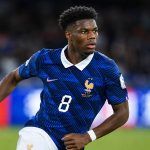
As of May 2026, the international stage has witnessed a significant shift in power. France has officially reclaimed the #1 spot in the FIFA Men’s World Rankings.
This achievement is not merely a result of individual brilliance but a testament to a robust national system that consistently produces elite talent capable of performing under immense pressure.
The French Resurgence in 2026
France’s return to the top in April 2026 followed a period of tactical evolution and the integration of a new generation of players who have complemented established veterans.
The team’s ability to maintain high performance across multiple international windows allowed them to leapfrog previous leaders.
Their depth across all positions ensures that they remain the benchmark for international excellence heading into the summer months.
Understanding the FIFA Ranking System
The FIFA World Ranking is a points-based system that rewards consistency and the strength of the opposition. France’s ascent was fueled by key victories against top-ten opponents, which carry a higher weight in the mathematical model used by FIFA.
This statistical dominance provides them with a psychological edge and favorable seeding in upcoming global tournaments, solidifying their status as the team to beat in 2026.
Women’s Soccer: Spain’s Era of Excellence
In the realm of women’s football, Spain remains the undisputed #1. Their reign at the top of the FIFA Women’s World Rankings has been consistent since late 2025, driven by a philosophy of possession-based football and technical superiority that has revolutionized the women’s game on a global scale.
The Reigning World Champions
Spain’s position at the summit is anchored by their status as reigning World Cup Champions. This title is the ultimate marker of success in soccer, and Spain has managed to build upon that foundation.
By focusing on youth development and domestic league growth, they have created a sustainable model that keeps them ahead of historical powerhouses like the United States and Germany.
Tactical Innovation in the Spanish Squad
The Spanish national team’s success is built on a high-press, high-possession style that forces opponents into defensive shells. This tactical identity is mirrored in their top domestic clubs, creating a seamless transition for players moving into the national setup.
Their dominance in May 2026 is a reflection of a long-term strategic investment in the women’s infrastructure that is now yielding unprecedented results.
The Global Elite: Top Ranking Categories
To understand who is number one, we must look at the various facets of the game. The following table highlights the current leaders across major categories as of May 2026:
| Category | Ranked #1 | Key Milestone |
|---|---|---|
| Men’s National Team | France | Reclaimed top spot in April 2026. |
| Women’s National Team | Spain | Reigning World Cup Champions. |
| Men’s Club Team | Bayern Munich | Highest performance rating (May 9, 2026). |
| Women’s Futsal | Brazil | Retained top spot in May 2026 update. |
| Individual (Ballon d’Or) | Vinícius Júnior | 2024 Recipient. |
The Pinnacle of Club Football: Bayern Munich’s Dominance
While national teams capture the world’s attention during international breaks, club football is the heartbeat of the sport. As of May 9, 2026, Bayern Munich is ranked as the #1 men’s club team globally based on performance ratings.
This ranking is particularly prestigious as it accounts for match-by-match data, efficiency, and tactical execution across all competitions.
Analytical Superiority and Performance Metrics
Bayern Munich’s rise to the top of the performance charts is the result of an aggressive data-driven approach to recruitment and match preparation.
Unlike traditional rankings that may rely on historical prestige, these performance ratings prioritize current form and underlying statistical indicators such as expected goals (xG) and defensive efficiency.
In the spring of 2026, the German giants have shown a level of clinical consistency that separates them from their peers in the Premier League and La Liga.
The Impact of Club Infrastructure
Success at the club level requires a synergy between the coaching staff, the medical department, and the front office. Bayern’s ability to minimize injuries and optimize player recovery has been a key factor in their #1 ranking.
Their dominance highlights the importance of organizational health in achieving sustained success in the modern era of high-intensity football.
Individual Greatness: Who Is the Best Player Right Now?
The question of who is the “best” individual player is often the most debated topic in the sport. In terms of official accolades, Vinícius Júnior stands at the top as the 2024 Ballon d’Or winner. However, the landscape in 2026 is crowded with elite talent vying for the next crown.
The Vinícius Júnior Era
Vinícius Júnior’s 2024 Ballon d’Or win signaled a shift in the individual hierarchy, moving past the nearly two-decade-long dominance of the previous generation.
His explosive speed, improved finishing, and big-match temperament have made him the focal point of both Real Madrid and the Brazilian national team. In 2026, he remains a primary candidate for the sport’s highest individual honors.
Contenders for the 2026 Crown
The race for the top spot in 2026 is a multi-way battle between established stars and emerging phenoms:
- Kylian Mbappé: Continues to be a statistical outlier with his goal-scoring record and influence on the pitch.
- Erling Haaland: The ultimate “Number 9,” whose physical profile and efficiency in the box remain unmatched.
- Lamine Yamal: The rising star who has rapidly moved from a prospect to a world-class contributor, representing the next wave of elite talent.
The Eternal GOAT: Lionel Messi’s Legacy
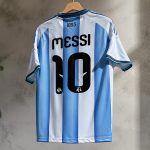
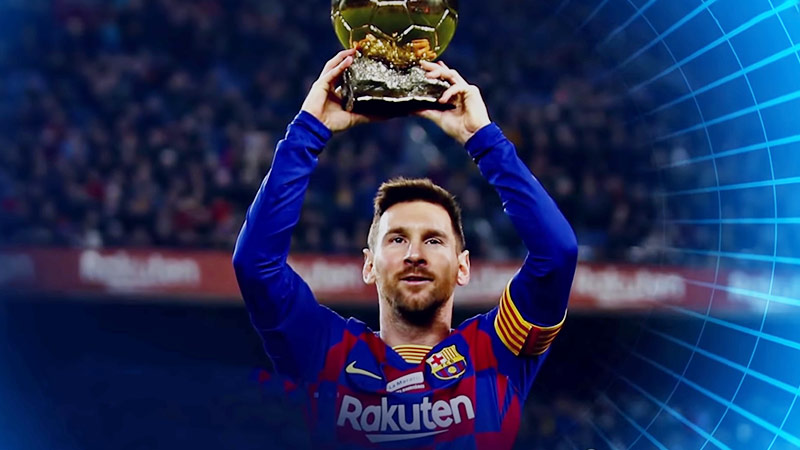
While current rankings and awards focus on the present, the discussion of “Number 1” often extends to the history of the game. Lionel Messi remains officially recognized by major global publications, including ESPN and Sports Illustrated, as the greatest player of all time (GOAT).
Defining All-Time Greatness
Messi’s legacy is defined by a combination of longevity, statistical output, and an unparalleled trophy cabinet that includes multiple Ballon d’Or awards and the 2022 FIFA World Cup.
In May 2026, even as he nears the end of his professional career, his influence on the sport’s culture and the standards of excellence remains the ultimate benchmark for any player aspiring to reach the #1 spot.
The Cultural Impact of the Messi Era
Beyond the goals and assists, Messi’s “Number 1” status is cemented by his global impact on the sport’s commercial and cultural growth. He has become a symbol of soccer excellence that transcends club or national loyalties.
For many analysts, the debate for the top spot in history is settled, even as the race for the current best player continues to evolve.
Tradition and the “Number 1” Jersey
In soccer, “Number 1” has a literal meaning beyond rankings and awards. Traditionally, the number 1 jersey is reserved for the team’s starting goalkeeper. This tradition underscores the unique and vital role that the “last line of defense” plays in a team’s success.
The Elite Goalkeepers of 2026
Players like Alisson Becker for Brazil and Thibaut Courtois for Real Madrid are modern embodiments of the #1 jersey. Their ability to organize a defense and make game-winning saves is just as crucial as a striker’s ability to score.
In the modern game, the role of the goalkeeper has expanded to include ball distribution and acting as an auxiliary playmaker, further elevating the importance of this specific position.
The Psychology of the Number 1
Wearing the number 1 carries a heavy psychological weight. It signifies that the player is the trusted guardian of the net.
While outfield players may change numbers or seek the prestige of the “10” or “7,” the “1” remains a badge of honor for goalkeepers, representing stability, leadership, and the ultimate responsibility on the field.
FAQ: Navigating Soccer Supremacy
How often do the FIFA World Rankings change?
FIFA typically updates the World Rankings once a month, though the frequency can vary depending on the international match calendar. These updates reflect the most recent results from competitive and friendly matches.
Is the Ballon d’Or winner always the #1 player?
The Ballon d’Or is an annual award based on a voting process, making it the most prestigious individual honor. While it designates the best player for a specific calendar year or season, many fans and analysts use different metrics to decide who the current “best” is at any given moment.
Why is Bayern Munich #1 if they aren’t the reigning Champions League winners?
Performance ratings are distinct from trophy counts. They use advanced algorithms to analyze a team’s efficiency, dominance in matches, and quality of play.
A team can be the “best” in terms of performance metrics even if they were eliminated from a knockout tournament due to a single bad result or bad luck.
What makes a player a “GOAT” candidate?
“Greatest of All Time” status usually requires a combination of elite individual statistics (goals, assists, clean sheets), major team trophies (World Cup, Champions League), individual awards (Ballon d’Or), and long-term consistency at the highest level of the sport.
Conclusion: The Dynamic Nature of Number 1
The hierarchy of professional soccer in May 2026 is a complex tapestry of data, tradition, and subjective brilliance. France and Spain lead the way for national teams, while Bayern Munich sets the standard for club performance.
Individually, the era of Vinícius Júnior has arrived, even as the shadow of Lionel Messi’s legendary career continues to define historical greatness.
Whether you measure success by a FIFA ranking, a gold trophy, or the number on a goalkeeper’s back, being “Number 1” in soccer remains the ultimate pursuit in the world’s most competitive sport.
As the 2026 season progresses, these rankings will continue to shift, reflecting the relentless evolution of the beautiful game.