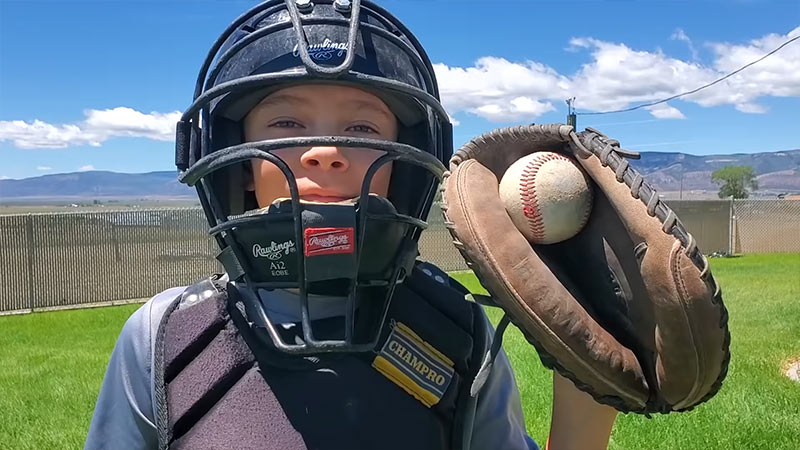
Selecting the right equipment for a 12-year-old baseball player represents one of the most critical gear decisions in youth sports.
At age 12, young athletes are standing at a major crossroads in their development. Field dimensions expand, throwing velocities increase significantly, and players begin transitioning from basic instructional play to specialized positions. Having the right gear directly impacts player performance, on-field confidence, and overall fun.
For a 12-year-old baseball player, a general fielding glove should measure between 11.25 and 12.0 inches, depending on the player’s primary position and hand size.
While general sizing guidelines for players aged 12 and older span from 11.25 to 12.5 inches, choosing the correct glove requires evaluating anatomical fit, structural material, web style, and position requirements.
This comprehensive guide breaks down sizing matrices, material mechanics, web choices, budget tiers, and maintenance techniques to help you choose the ideal glove for your player.
The Critical Fit Philosophy: Proper Sizing vs. “Growing Room”
The most common mistake made when purchasing a youth baseball glove is selecting a size larger than necessary with the intention of having the player “grow into it.”
While this strategy may work for footwear or team jerseys, applying it to baseball gloves actively hinders player development.
The Pitfalls of an Oversized Glove
Fit matters above all else when selecting a glove. An oversized glove creates severe leverage issues for a 12-year-old athlete. When a glove is too long or heavy:
- Loss of Control: The player cannot squeeze the glove effectively, making it difficult to close the pocket cleanly around the ball.
- Sluggish Transfers: Excess surface area and weight slow down a player’s reaction time and hand speed during ball transfers.
- Form Breakdown: Players often compensate for a heavy glove by dropping their wrist or altering their natural catching mechanics, leading to missed catches and safety hazards.
Hand Anatomy: Youth Taper vs. Small Adult Models
At age 12, physical variation between individual athletes reaches its peak. Some 12-year-olds maintain smaller physical frames, while others experience early growth spurts.
- Youth Taper (Short Stalls & Narrow Wrist): Smaller 12-year-olds still require youth-specific glove architecture. A “Youth Taper” or narrow-fit glove features shortened finger stalls and a tighter wrist opening designed to keep the hand secure inside the glove without slipping.
- Small Adult / Standard Fit: Players with larger hands can begin transitioning into small adult gloves or standard adult models, provided the wrist opening can be adjusted tight enough to maintain firm control.
Sizing Guide by Position and Age
Understanding where your player operates on the field is essential when choosing glove dimensions. While an all-around player can use a utility pattern, specialized positions benefit from targeted glove lengths and pocket structures.
Comprehensive Youth Sizing Matrix
| Age Bracket | Position / Role | Recommended Glove Size Range | Web Styles / Key Attributes |
|---|---|---|---|
| Ages 6–8 (U8) | All Positions / General | 10.5″ – 11.0″ | Basket or soft synthetic webs; soft leather shells |
| Ages 9–11 | Infield | 10.25″ – 11.5″ | Shallow pocket; I-Web or Basket web |
| Ages 9–11 | Outfield | 11.5″ – 12.25″ | Deeper pocket; H-Web or Trapeze |
| Ages 12+ (U13) | Infield (2B, SS, 3B) | 11.0″ – 11.75″ | Shallow pocket; quick ball transfers; I-Web |
| Ages 12+ (U13) | Pitcher | 11.5″ – 12.0″ | Closed or Basket web to hide ball grips |
| Ages 12+ (U13) | Outfield | 11.75″ – 12.5″ | Deep pocket; extra reach; H-Web or Trapeze |
| Ages 12+ (U13) | First Base | 11.5″ – 12.5″ (Specialized Mitt) | Extended length; Single-Post or modified webs |
| Ages 12+ (U13) | Catcher | 32.0″ – 33.5″ (Circumference) | Heavy padding; specialized mitt construction |
| Ages 12+ (U13) | Utility (Multi-Position) | 11.5″ – 12.0″ | Modified Trapeze or H-Web pattern |
Detailed Position Breakdown for 12U Players
Infielders (Second Base, Shortstop, Third Base)
- Recommended Range: 11.0 to 11.75 inches.
- Design Focus: Infielders need to secure ground balls and transition the ball rapidly from their glove to their throwing hand. A smaller glove prevents the ball from getting lost in a deep pocket, allowing middle infielders to make fast, fluid double-play turns.
Pitchers
- Recommended Range: 11.5 to 12.0 inches.
- Design Focus: Pitchers require a glove large enough to conceal their wrist and hand when gripping the ball on the mound. Pitcher gloves feature closed webs (such as a Basket web or modified trapeze) so batters and base coaches cannot read pitch grips through the lacing.
Outfielders
- Recommended Range: 11.75 to 12.5 inches.
- Design Focus: Outfielders require maximum reach and pocket depth to secure high fly balls and make diving catches. The extra glove length helps cushion impact and keeps the ball locked in the pocket.
First Base
- Recommended Range: 11.5 to 12.5 inches (Specialized First Base Mitt).
- Design Focus: First base mitts lack individual finger stalls on the exterior and feature a scooped design engineered to field low throws out of the dirt. While younger age groups often use standard fielding gloves at first base, 12U is the ideal stage to transition to a true first base mitt if the player specializes in the position.
Catchers
- Recommended Range: 32.0 to 33.5 inches in circumference.
- Design Focus: Unlike fielding gloves measured from heel to top finger, catcher mitts are measured around their perimeter. They feature heavy circumference padding to protect the hand from high-velocity pitches and an engineered pocket to catch pitch after pitch securely.
The Utility Player Solution
Many 12-year-olds play multiple positions over the course of a single weekend tournament. For a utility player aged 11 or older, selecting an 11.5-inch or 12.0-inch model represents the perfect middle ground.
Specifically, an 11.75-inch glove with a modified trapeze or H-web pattern provides ideal balance: compact enough for clean infield play while long enough to hold fly balls in the outfield.
Material Engineering: Synthetic vs. Full Leather
The physical materials used to build a baseball glove dictate its price, durability, break-in period, and overall performance on the field.
Synthetic Construction
Synthetic materials (such as vinyl, PU leather, or molded composites) are soft, light, inexpensive, and moisture-resistant. They require virtually no break-in time.
However, synthetic gloves carry significant drawbacks for a 12-year-old:
- They do not mold to the contours of the player’s hand over time.
- They lack structural strength and break down quickly under intense play.
- High-Velocity Risk: As 12U players hit and throw with greater power, high ball speeds can easily tear synthetic materials apart or sting the player’s palm through thin padding.
Hybrid Leather/Synthetic Shells
Hybrid gloves combine a leather palm/pocket with a synthetic backing. This provides a solid middle ground for younger entry-level players (ages 6–9), offering easy break-in characteristics while protecting the high-wear pocket area.
Full Leather Shells
For a serious 12-year-old player, a full leather shell is strongly recommended. Full leather gloves offer critical performance advantages:
- Custom Molded Fit: Leather absorbs oils and sweat, gradually molding perfectly around the player’s fingers and hand structure.
- Impact Resistance: Dense leather palm shells cushion the impact of higher pitching velocities.
- Longevity: Quality leather gloves retain their structural shape for years when properly conditioned and stored.
Web Patterns and Pocket Depths Dissected
A glove’s web design impacts structural rigidity, pocket shape, and sightlines. Understanding the primary web configurations helps align glove function with position requirements.
                 COMMON BASEBALL GLOVE WEB DESIGNS

   [ I-WEB ]         [ BASKET WEB ]       [ H-WEB / MOD H ]
   ┌───┬───┐          ┌───────────┐         ┌───┬───┬───┐
   │   │   │          │ ░░░░░░░░░ │         │   │   │   │
   ├───┼───┤          │ ░░░░░░░░░ │         ├───┼───┼───┤
   │   │   │          │ ░░░░░░░░░ │         │   │   │   │
   └───┴───┘          └───────────┘         └───┴───┴───┘
 Shallow Pocket     Closed / Concealed      Deep Pocket / Flex
 Infield Transfers     Pitchers / Entry     Outfield / Utility
1. I-Web Pattern
- Primary Positions: Middle Infield (Second Base, Shortstop).
- Characteristics: Features two vertical leather posts connected by a horizontal bar forming an “I” shape.
- Performance: Dirt falls easily through the openings during ground ball plays, and the resulting shallow pocket enables extremely rapid ball transfers to the throwing hand.
2. Basket Web Pattern
- Primary Positions: Pitcher and Utility / General Entry-Level.
- Characteristics: Interlocking, woven leather strips that form a closed barrier.
- Performance: Highly flexible and durable. It completely hides the ball and hand placement from opposing batters during pitching delivery.
3. H-Web & Modified H-Web Pattern
- Primary Positions: Third Base, Outfield, and Utility.
- Characteristics: Leather strips form an “H” shape, providing vertical stability alongside horizontal flex.
- Performance: Creates a deeper, highly secure pocket capable of trapping hard-driven line drives and high fly balls.
4. Trapeze Web & Modified Trapeze Pattern
- Primary Positions: Outfield, Pitcher, and Utility.
- Characteristics: A central leather strap attached to the glove fingers by intricate leather lacing.
- Performance: Acts like a deep funnel, securing long fly balls while retaining flexibility. Pitchers often use modified trapeze webs to conceal ball grips while keeping the glove lightweight.
5. Single-Post Web Pattern
- Primary Positions: First Base.
- Characteristics: A single vertical leather post reinforced by horizontal bars.
- Performance: Offers stability and flexibility specifically engineered to scoop wild throws out of the dirt.
Market Tier Guide & Recommendation Matrix
Investing in a glove depends heavily on your player’s commitment level and budget. While early youth players outgrow gear quickly, 12U players who are committed to the sport benefit greatly from mid-range to high-end leather options.
Budget Choice ($10 to $50)
Ideal for players who are new to the game, testing interest, or operating under strict budget constraints.
- New Glove Models (~$50): Mizuno Prospect Series or Rawlings Mark of a Pro Lite. These feature full leather or hybrid shells, quick break-in times, and adequate wrist support.
- The Pre-Owned Strategy ($10 to $25): Quality pre-owned gloves can be sourced through second-hand sporting goods retailers, online marketplaces, or local team sales. A well-maintained, pre-owned higher-tier glove often outperforms a brand-new cheap synthetic model.
Mid-Range Value ($75 to $100)
The optimal price-to-performance bracket for most 12U recreational and competitive players. These gloves are built with higher-grade leather that preserves shape across multiple seasons.
- Wilson A700 Series: Soft full-leather feel, light on the hand, and ready to play quickly.
- Rawlings Player Preferred / Premium Series: Offers robust full-leather construction built to hold up against solid hit velocities.
- Rawlings Sandlot Series: Features a comfortable oiled-leather shell, making it an excellent choice for 12-year-olds with larger hands who need a roomy fit.
High-End Performance ($125 to $150)
Designed for serious travel players and competitive 12U athletes facing high pitching and hitting velocities.
- Rawlings R9 Series: Excellent full-leather construction engineered with tight youth taper hand stalls for optimal control.
- Rawlings GG Elite Series: Provides near-pro pattern designs, excellent leather durability, and modified trapeze/H-web versatility (e.g., an 11.75-inch modified trap model serves well for both infield and outfield duties).
- Wilson A1000 Series: Features full-grain leather patterns modeled after adult professional lines, built with narrower hand openings to give young athletes maximum palm-and-finger leverage.
How to Safely Buy, Inspect, and Restore Used Gloves
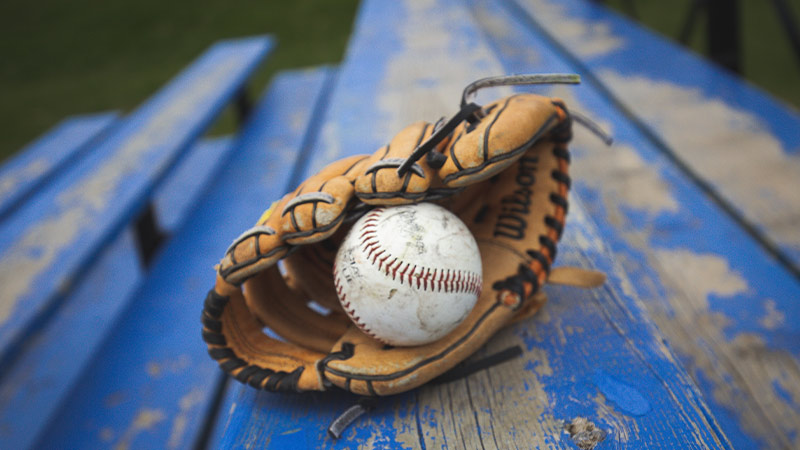
Purchasing a second-hand glove is a smart way to acquire premium leather gear at a fraction of retail pricing. However, pre-owned equipment requires careful inspection to ensure performance on the field.
Inspection Checklist for Second-Hand Gloves
- Check Structural Rigidity (Floppiness): Hold the glove vertically by the wrist strap. If the fingers flop over completely under their own weight, the internal leather stiffeners are broken down. A floppy glove makes fielding hard ground balls or catching fastballs difficult and uncomfortable.
- Inspect Palm Protection: Press your thumb firmly into the palm pocket. If the internal palm padding is completely compressed, worn away, or shifted, the glove will offer little shock absorption, causing painful palm stings upon catching high-velo balls.
- Examine Creases and Break-In Shape: Look closely at how the previous owner broke in the pocket. If a glove was flattened, folded improperly, or stored crushed under heavy equipment, re-shaping the leather to fit a new hand structure can be very difficult.
- Inspect Lacing Integrity: Check the leather laces along the fingers and web. Dry, cracked, or frayed laces can snap during play. Re-lacing a glove is possible, but adds labor and expense to your purchase.
Simple Leather Restoration Protocol
If you acquire an older pre-owned leather glove that is stiff, dry, or dirty, you can restore it using basic maintenance steps:
Step 1: Clean ───► Use a mild leather cleaner to remove surface dirt, dust, and mud.
Step 2: Condition ──► Apply a thin layer of glove conditioner to restore moisture and flexibility to dry leather.
Step 3: Shape ───► Place a baseball in the pocket and secure the glove closed to help maintain its shape.
Step 4: Re-Lace ───► Replace damaged or broken laces with new ones using a proper lacing needle.
Conclusion
Selecting the proper glove for a 12-year-old directly impacts player performance and overall fun on the field. Always prioritize exact fit over buying an oversized glove “to grow into,” as loose gloves make it hard for players to squeeze and control the ball effectively.
Stick to position-specific sizing between 11.25 and 12.5 inches—such as 11.0 to 11.75 inches for infielders or 11.75 to 12.5 inches for outfielders.
Finally, investing in quality leather models like the Wilson A700, Rawlings R9, or Wilson A1000 ensures long-lasting durability against high ball velocities.