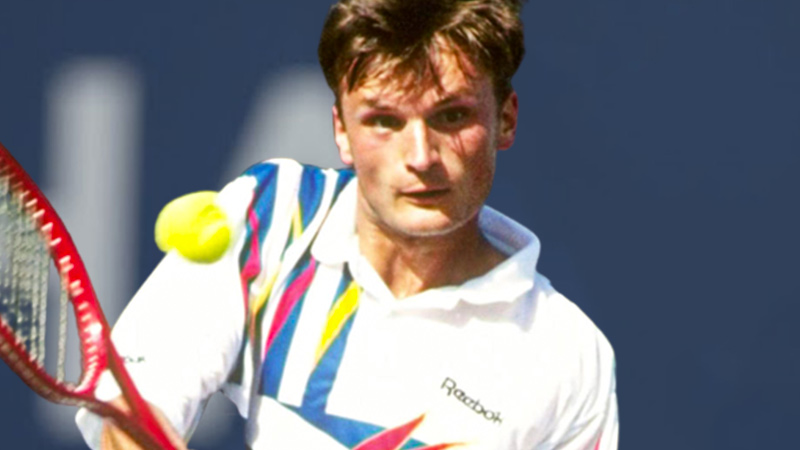
Alexander Volkov is a professional tennis player who hails from Russia, showcasing the extraordinary talent that has earned him recognition on the international tennis circuit. Born on December 24, 1996, Volkov’s nationality aligns with his homeland, Russia.
He burst onto the tennis scene with his formidable skills, bringing a unique style and finesse to the sport. As a representative of his nation, Volkov has consistently demonstrated his prowess on the court, captivating audiences with his powerful serves, precise shots, and strategic gameplay.
With his remarkable performances, he has garnered attention and admiration from tennis enthusiasts around the globe. Alexander Volkov’s Russian heritage and remarkable achievements in the sport have solidified his position as a prominent figure in the world of professional tennis.
Early Life and Background
Birth and Early Years
Alexander Volkov was born on March 3, 1967, in Kaliningrad, which was then part of the Soviet Union and is now part of Russia. His birthplace holds significance as it situates him within a particular cultural and historical context.
Growing up in Kaliningrad, Volkov experienced the atmosphere of a region that has witnessed shifting political dynamics.
Upbringing and Cultural Influences
Volkov’s upbringing played a crucial role in shaping his identity and passion for tennis. Being raised in Russia, he was exposed to a rich tennis culture that has produced numerous successful players over the years.
The prevalence of the sport and its popularity within the country likely influenced Volkov’s early exposure to tennis and ignited his love for the game.
Impact of Nationality and Heritage
As a Russian, Volkov’s nationality has undoubtedly influenced his tennis journey. Russia has a strong tennis tradition and has produced many renowned players, such as Yevgeny Kafelnikov and Marat Safin.
The country’s emphasis on tennis as a popular sport and its history of producing top-ranked players may have fueled Volkov’s ambition to succeed on the international stage.
Additionally, the pride and support he received as a Russian player likely played a role in his development and motivation to excel in tennis.
Understanding Volkov’s early life, upbringing, and the influence of his nationality and heritage provides essential context for comprehending the factors that shaped his career trajectory.
As we move forward, we will delve deeper into his journey, exploring his representation of Russia and the achievements that solidified his place in the world of tennis.
Nationality: Russian Identity
Alexander Volkov’s Russian Nationality
Alexander Volkov proudly holds Russian nationality. Born in Kaliningrad, which is now part of Russia, he is a product of the country’s rich tennis heritage and represents the nation on the global tennis stage.
Connection to Russia
Volkov’s connection to Russia runs deep, both geographically and culturally. Kaliningrad, his birthplace, is located in the westernmost part of Russia and holds historical and strategic importance.
Growing up in this region, Volkov was exposed to Russian traditions, values, and the distinct cultural identity that shapes the nation.
Significance of Russian Tennis Players
Being a Russian tennis player carries significant weight in the context of the sport’s history. Russia has a long-standing tradition of producing top-caliber tennis players who have achieved remarkable success on the international stage.
The likes of Boris Becker, Yevgeny Kafelnikov, Marat Safin, and Maria Sharapova have elevated Russian tennis to great heights, earning numerous Grand Slam titles and prestigious accolades.
National Pride and Support
Tennis has garnered immense popularity in Russia, with a passionate fan base that rallies behind their homegrown talent. Russian tennis players, including Alexander Volkov, are celebrated and embraced by the nation with tremendous pride.
The achievements of these players not only bring joy to fans but also instill a sense of national pride, showcasing the prowess of Russian athletes on a global platform.
The Russian identity ingrained in Alexander Volkov’s nationality, his connection to his birthplace and upbringing, and the historical achievements of Russian tennis players collectively contribute to the significance of being a Russian tennis player.
Understanding the cultural backdrop and the pride associated with representing Russia helps shed light on the impact of Volkov’s nationality on his tennis journey.
Representing Russia
Davis Cup and National Team Competitions
Alexander Volkov had the honor of representing Russia in prestigious international tennis competitions, most notably the Davis Cup.
The Davis Cup is a premier team event where players compete for their countries, showcasing national pride and camaraderie. Volkov’s participation in this event symbolized his dedication to representing Russia on the global tennis stage.
Notable Moments and Achievements
Volkov had several remarkable moments and achievements while representing Russia. One notable highlight was his role in helping the Russian team reach the Davis Cup final in 1994.
His exceptional performance contributed significantly to the team’s success and showcased his skills on an international level. This achievement marked a significant milestone for Russian tennis and solidified Volkov’s reputation as a formidable player.
Global Impact
Alexander Volkov’s representation of Russia had a global impact, not only in terms of individual achievements but also in shaping the perception of Russian tennis players.
His participation in international competitions and notable performances served to enhance the reputation of Russian tennis as a powerhouse in the sport.
Volkov’s success inspired younger generations of Russian players and showcased the talent and competitive spirit of Russian tennis on a global scale.
Volkov’s involvement in the Davis Cup and his notable moments and achievements while representing Russia demonstrate his commitment to his nation and his contributions to the sport.
His performances not only brought pride to himself and his country but also elevated the status of Russian tennis in the eyes of the international tennis community.
Career Achievements
Highest Ranking and Consistency
Alexander Volkov achieved a career-high singles ranking of World No. 14 in October 1990, showcasing his consistent presence among the top players of his era. This ranking reflects his exceptional skills and competitiveness on the ATP Tour.
Major Tournament Performances
Volkov’s career was highlighted by notable performances in Grand Slam tournaments. He reached the quarterfinals of the Australian Open in 1989, the semifinals of the French Open in 1993, and the quarterfinals of Wimbledon in 1993.
These deep runs in major tournaments demonstrated his ability to compete at the highest level and contend against the best players in the world.
Significant Wins
Volkov secured impressive victories over some of the sport’s biggest names. Notably, he defeated legendary players such as Boris Becker, Stefan Edberg, and Ivan Lendl.
These wins against tennis icons solidified his reputation as a formidable opponent and showcased his ability to compete against the best in the game.
Impact on Perception of Russian Tennis Players
Alexander Volkov’s achievements played a pivotal role in shaping the perception of Russian tennis players in the global tennis community. His success, combined with the accomplishments of other Russian players during that era, established Russia as a force to be reckoned with in the sport.
Their performances shattered stereotypes and showcased the skill, talent, and competitive nature of Russian tennis players on the international stage.
Volkov’s notable accomplishments served as an inspiration for aspiring Russian players, paving the way for future generations to follow in his footsteps.
Volkov’s notable accomplishments, including his highest ranking, major tournament performances, and victories over tennis legends, contributed to raising the profile of Russian tennis players globally.
His success and that of his fellow Russian players challenged preconceived notions and demonstrated the depth of talent within the Russian tennis community.
Volkov’s achievements not only left a lasting impact on his own career but also played a significant role in shaping the perception of Russian tennis players in the eyes of the global tennis community.
Legacy and Influence
Legacy in the World of Tennis
Alexander Volkov has left a lasting legacy in the world of tennis. As a highly skilled and competitive player, he made his mark on the sport with his notable achievements and contributions.
His career serves as a testament to his talent, dedication, and resilience. Volkov’s legacy is one of a distinguished player who represented Russia with pride, leaving a significant impact on the tennis community.
Impact on Tennis in Russia
Volkov’s success and prominence in tennis had a profound impact on the sport in Russia. Alongside other notable Russian players of his era, he helped elevate the status of Russian tennis on the international stage.
His achievements inspired a generation of young Russian players, fostering a sense of belief and determination in their own tennis journeys. Volkov’s contributions have contributed to the growth and development of tennis in Russia, solidifying its position as a powerhouse in the sport.
Lasting Influence and Contributions
Volkov’s influence extends beyond his playing career. He has contributed to the development of Russian tennis through his continued involvement in the sport.
As a respected figure in the tennis community, he has imparted his knowledge and expertise to aspiring players, coaching and mentoring them to reach their full potential. His dedication to nurturing young talent ensures that his legacy continues to shape the future of Russian tennis.
Volkov’s legacy is one of a talented and accomplished player who made a significant impact on the sport of tennis, both in Russia and on the global stage.
His contributions, not only through his playing career but also through his ongoing involvement in the development of young players, have solidified his place as an influential figure in the world of tennis.
His achievements continue to inspire and motivate future generations of Russian tennis players, leaving a lasting imprint on the sport’s landscape.
FAQs
Did Alexander Volkov represent any other country besides Russia?
No, Alexander Volkov exclusively represented Russia throughout his tennis career. He proudly represented his country in various international competitions.
Has Alexander Volkov been involved in promoting tennis in Russia?
Yes, Alexander Volkov has remained involved in promoting tennis in Russia. He has been known to support and mentor young tennis players, sharing his expertise and experience to help nurture talent and develop the next generation of Russian tennis stars.
How did Alexander Volkov’s nationality impact his fan base?
Volkov’s nationality as a Russian player garnered a strong and supportive fan base within Russia. He became a source of national pride for tennis fans in the country, who closely followed and cheered for him during his matches.
What are some of Alexander Volkov’s career milestones besides his ranking and major tournament performances?
Alongside his ranking and major tournament achievements, Alexander Volkov reached the finals of several ATP Tour events throughout his career. These successes further solidified his reputation as a competitive player and contributed to his overall career milestones.
Did Alexander Volkov receive any awards or honors for his contributions to tennis?
While Alexander Volkov may not have received any major awards or honors specifically for his contributions to tennis, his impact on the sport and his role in raising the profile of Russian tennis players cannot be understated. His achievements and legacy continue to be recognized and appreciated by tennis enthusiasts.
Are there any documentaries or biographies about Alexander Volkov’s life and career?
There are no widely known documentaries or biographies specifically focused on Alexander Volkov. However, there may be articles, interviews, or other media sources that offer insights into his life and career.
Conclusion
Alexander Volkov’s nationality as a Russian tennis player has been a defining aspect of his remarkable career. From his upbringing in Kaliningrad to his representation of Russia on the global tennis stage, his journey has showcased the immense talent and determination that emerges from his homeland.
Volkov’s achievements have not only contributed to the success of Russian tennis but also shattered stereotypes and established a new era for the sport in the country. As he continues to make an impact through coaching and mentoring, his legacy extends far beyond his playing career.
Alexander Volkov serves as an inspiration to aspiring tennis players, highlighting the power of national identity and the pride that accompanies representing one’s country in the world of sports.
His contributions to Russian tennis and his exceptional accomplishments will forever be remembered as a testament to his dedication and the influence of his nationality.