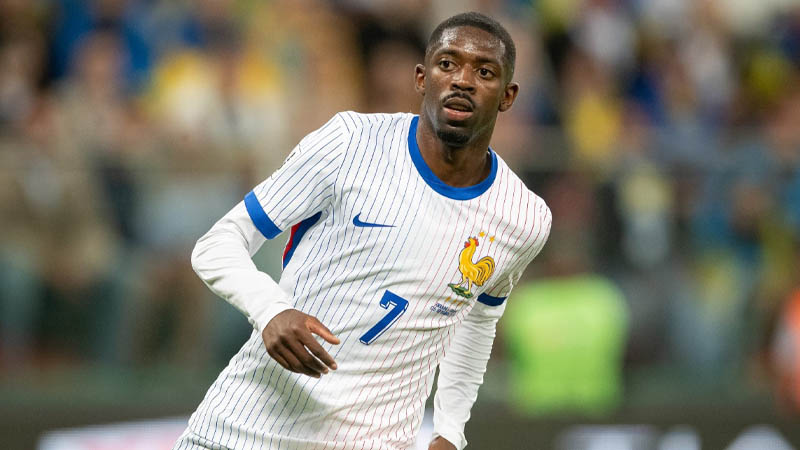
Ousmane Dembélé stands as one of the most recognized figures in global football, currently showcasing his elite technical skills as a forward for the prominent Ligue 1 club, Paris Saint-Germain (PSG).
As a high-profile athlete performing on the world’s biggest stages, fans and analysts frequently inquire about his background and origins.
This comprehensive analysis provides a definitive look at his citizenship, his birth in France, and the rich multi-ethnic heritage that defines his identity.
By exploring his journey from Vernon to the heights of the FIFA World Cup, we uncover the story of a modern sporting icon.
What Nationality is Ousmane Dembele? The Definitive Answer
To answer the primary question clearly: Ousmane Dembélé is a French national. His legal status as a citizen of France is the foundation of his eligibility to represent one of the most successful national teams in the history of the sport.
His identity as a Frenchman is not merely a matter of paperwork; it is rooted in his birthplace and his formative years within the French developmental system.
Dembélé’s commitment to his home country has been a cornerstone of his professional life. By choosing to represent the France national team, he has followed in the footsteps of many legendary figures who have donned the blue jersey.
This decision has allowed him to participate in the highest levels of international competition, where he has consistently proven to be a vital asset for the “Les Bleus” squad.
Born and Raised in Vernon, France
Ousmane Dembélé was born in the town of Vernon, France. Located in the Normandy region, this birthplace provided the initial environment where he began to hone the explosive pace and dribbling ability that would eventually make him a household name.
Growing up in the French landscape, he was immersed in a culture that deeply values football, allowing him to integrate into the national sports infrastructure from a young age.
A Pillar of the France National Team
Beyond his birthplace, Dembélé is a full French international. He has dedicated his international career to France, moving through the ranks to become a staple of the senior squad. His participation in major tournaments serves as the ultimate confirmation of his nationality.
Representing France is a point of pride for Dembélé, as he carries the hopes of millions of French supporters every time he steps onto the pitch for an international fixture.
The Multi-Ethnic Heritage of Ousmane Dembélé
While Ousmane Dembélé is legally and nationally French, his identity is enriched by a complex and diverse West African heritage.
This dual identity is common among many elite French athletes, reflecting the historical and cultural ties between France and various African nations.
Understanding his background requires looking beyond his passport to the origins of his parents, which span three different West African countries.
This diverse lineage has shaped Dembélé into a global citizen. His ability to navigate different cultural spheres while maintaining a strong French identity is a testament to the multicultural nature of modern France.
His background is a blend of Malian, Mauritanian, and Senegalese roots, creating a unique personal history that resonates with fans across the African continent and the global diaspora.
Paternal Roots in Mali
Ousmane Dembélé’s father is from Mali. This connection to Mali provides Dembélé with a direct link to a country with a storied history and a deep love for football.
While he represents France on the field, his paternal ancestry remains a significant part of his personal narrative. Mali has produced numerous talented players, and Dembélé’s success is often viewed with great pride by those sharing his Malian descent.
Maternal Ancestry: Mauritania and Senegal
On his mother’s side, Dembélé’s heritage is even more diverse, as she is of Mauritanian and Senegalese descent. This means that the PSG forward has family ties stretching across a significant portion of the West African coast.
Senegal, in particular, is a powerhouse in African football, and Mauritania has seen a significant rise in its footballing infrastructure in recent years. This blend of backgrounds ensures that Dembélé remains a symbol of West African excellence on the European stage.
Career Achievements: From World Cup Glory to PSG
The career of Ousmane Dembélé is a series of high-stakes successes and consistent performance at the elite level. His nationality and heritage have been the backdrop to a professional journey that has seen him play for some of the world’s most prestigious clubs.
Currently, he serves as a forward for Paris Saint-Germain (PSG) in Ligue 1, continuing his dominance in the French league.
His professional trajectory is marked by his ability to perform under pressure, whether in the domestic league or on the international stage. Below is a summary of the key milestones that define his career as a world-class footballer.
| Category | Achievement / Detail |
|---|---|
| National Team | France |
| International Title | 2018 FIFA World Cup Winner |
| International Achievement | 2022 FIFA World Cup Runner-up |
| Current Club | Paris Saint-Germain (PSG) |
| Current League | Ligue 1 |
| Primary Position | Forward |
Dembélé’s role at PSG is a testament to his status as one of the best French players of his generation. Returning to play in his home country’s top division highlights his connection to the French footballing community.
Success on the World Stage with France
Dembélé’s most notable professional achievements have come while representing the France national team. His nationality has allowed him to be part of a “Golden Generation” of French players who have dominated the international scene over the last decade.
The pinnacle of this success was reached in 2018, but his impact has been felt in subsequent tournaments as well.
His contributions to the national team are characterized by his speed and ability to stretch defenses, providing a tactical edge for the French coaches. Being part of such a successful era has solidified his place in the history books of French sports.
2018 FIFA World Cup Champion
The crowning moment of Ousmane Dembélé’s career came when he famously won the 2018 FIFA World Cup with France. Held in Russia, this tournament saw the French squad navigate a difficult path to the final, where they eventually defeated Croatia.
As a member of that championship-winning team, Dembélé reached the absolute peak of the sport, a feat that few players ever achieve.
2022 World Cup Runner-Up
Dembélé continued to be a vital part of the French national setup during the 2022 FIFA World Cup in Qatar. He helped lead the team to a second consecutive final, where they ultimately finished as runners-up after a historic match against Argentina.
Reaching back-to-back World Cup finals underscores the sustained excellence of the French team and Dembélé’s consistent role within that elite group.
The Cultural Impact of Ousmane Dembélé’s Success
The story of Ousmane Dembélé is more than just a list of trophies and statistics; it is a reflection of the evolving identity of modern France. As a French national with West African heritage, he serves as a powerful role model for millions of young people.
His success demonstrates that excellence is not confined by a single cultural background but can be the result of a diverse and rich history.
Dembélé’s presence in the national team is a symbol of integration and the strength that comes from diversity.
In a globalized world, athletes like him represent the bridge between different nations and cultures, showing how sport can unite people across different geographic and ethnic boundaries.
A Role Model for the Diaspora
For many in Mali, Mauritania, and Senegal, Dembélé is seen as a representative of their own potential. His achievements in Europe and on the world stage provide inspiration to young athletes across West Africa who dream of reaching the same heights.
He proves that with talent and dedication, it is possible to honor one’s heritage while reaching the pinnacle of success in a different national context.
Impact on French Football Culture
Within France, Dembélé is part of a movement that has redefined what it means to be a French athlete. The “Black, Blanc, Beur” (Black, White, Arab) spirit that was popularized during France’s 1998 World Cup win continues through players like Dembélé.
His nationality is a central part of his identity, yet he remains deeply connected to his roots, contributing to a more inclusive and representative French sporting culture.
Frequently Asked Questions About Ousmane Dembélé
Is Ousmane Dembélé a French citizen?
Yes, Ousmane Dembélé is a French national and holds French citizenship. He was born in Vernon, France, and has spent his entire international career representing the French national team.
What is the ethnicity of Ousmane Dembélé’s parents?
His heritage is West African. His father is from Mali, and his mother has roots in both Mauritania and Senegal. This diverse background gives him connections to multiple West African nations.
Which club does Ousmane Dembélé play for currently?
As of the current season, Ousmane Dembélé plays as a forward for Paris Saint-Germain (PSG) in Ligue 1. He joined the club after successful stints in other top European leagues.
Did Ousmane Dembélé win the World Cup?
Yes, he was a key member of the France squad that won the 2018 FIFA World Cup. He also helped France reach the final of the 2022 World Cup, where they finished as runners-up.
Summary of Ousmane Dembélé’s Identity and Career
Ousmane Dembélé is the quintessential modern footballer—a French national with deep ancestral ties to West Africa. Born in Vernon, he has climbed the ranks of the footballing world to become a World Cup winner and a star for Paris Saint-Germain.
His identity is a blend of his French upbringing and the Malian, Mauritanian, and Senegalese heritage passed down from his parents.
His career continues to be a point of fascination for fans worldwide. Whether he is sprinting down the wing for PSG or representing France in a major tournament, Dembélé carries with him a complex and inspiring story of nationality and heritage.
As he continues his journey in Ligue 1, his status as a global icon and a representative of a multicultural France remains as strong as ever.