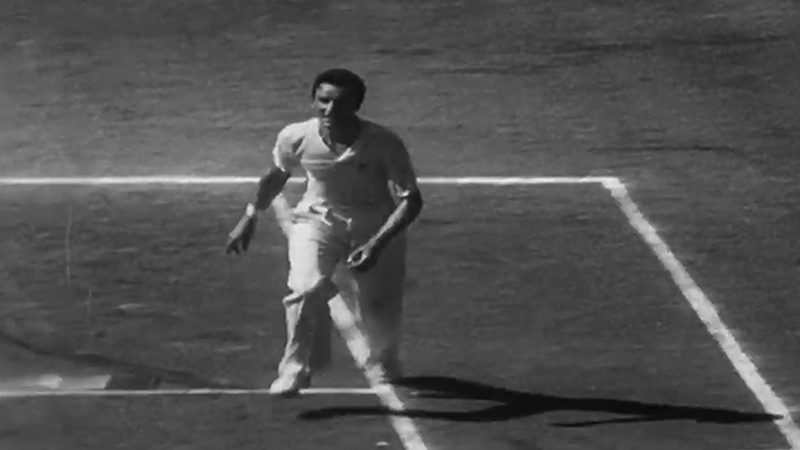
Fred Perry was a British and English national, globally recognized as a tennis legend born in Stockport, Cheshire.
While he represented Great Britain during his record-breaking career, spearheading a Davis Cup dynasty and achieving a historic Career Grand Slam, his nationality evolved over time.
In 1938 or 1939, Perry became a naturalized United States citizen after experiencing friction with the British tennis establishment.
Despite serving in the US Army Air Forces during World War II, his sporting legacy remains fundamentally British, and he is celebrated as a cultural icon in his native England.
What Nationality is Fred Perry? A Detailed Career Timeline
To understand the complex identity of this sporting legend, one must look at the distinct phases of his life. Perry’s nationality was not a static label but a journey that reflected the social and political shifts of the 20th century.
The following table provides a breakdown of his national representation and citizenship status throughout his life.
| Period | Key Event | Nationality Context |
|---|---|---|
| 1909 – 1930s | Youth & Early Success | Born in England; represented England in table tennis. |
| 1933 – 1936 | The Golden Years | Represented Great Britain; won four consecutive Davis Cups. |
| Late 1930s | Relocation to USA | Became a naturalized American citizen in 1938/1939. |
| 1940s | World War II | Served in the US Army Air Forces for his adopted country. |
| 1952 – 1995 | Business & Legacy | Founded his clothing brand; reconciled with British tennis. |
The British Origins of an International Tennis Legend
The foundation of Fred Perry’s identity was deeply rooted in the industrial landscape of Northern England.
Born on May 18, 1909, his early years were defined by a working-class upbringing that would later become a point of contention in the elitist world of international tennis.
Early Success in English Table Tennis
Before dominating the grass courts of Wimbledon, Perry was a world-class competitor in a different arena. In 1929, he achieved world-level success representing England in table tennis.
This early exposure to international competition solidified his status as an English national hero long before he transitioned into the sport that would make him a household name.
His reflexes and competitive drive, honed at the table tennis table, became the cornerstone of his future tennis dominance.
Spearheading the British Davis Cup Dynasty
Perry’s most significant contribution to British sporting history occurred between 1933 and 1936. During these “Golden Years,” he led the British team to four consecutive Davis Cup victories, a feat that remains a high-water mark for the nation.
As a British representative, he became the first man to achieve a Career Grand Slam, winning all four major titles.
His triumphs on the court provided a sense of national pride during the interwar period, firmly cementing his identity as a British sporting icon in the eyes of the public.
Was Fred Perry British or American? Understanding the Transition
The question of whether Perry was British or American is best answered by recognizing him as a man of two nations. While his birth and his greatest athletic feats were British, his later life and formal citizenship were American.
This transition was not merely a matter of paperwork but a response to the rigid social structures of his homeland.
Friction with the British Tennis Establishment
During the 1930s, tennis in the United Kingdom was viewed through a lens of extreme elitism. Perry’s working-class background often put him at odds with the authorities of the sport.
Despite his massive success, he felt undervalued and ostracized by the British Lawn Tennis Association (LTA).
This internal conflict created a sense of alienation, leading Perry to look toward the United States, a country that appeared more welcoming to professional athletes and meritocratic ideals.
Naturalization and Life in the United States
In the late 1930s, Perry made the monumental decision to relocate to America permanently. By 1938 or 1939, he officially became a naturalized United States citizen.
This shift marked a new chapter where Perry embraced his American identity while maintaining his professional ties to the tennis world.
His decision to move was heavily influenced by the LTA’s decision to bar him from certain competitions after he chose to turn professional, a move that was frowned upon by the amateur-focused British establishment at the time.
Why Did Fred Perry Serve in the US Army Air Forces?
One of the most compelling aspects of Perry’s American citizenship was his commitment to his adopted country during a time of global crisis. His service during World War II provides significant insight into his sense of national duty and personal integrity.
A Commitment to His Adopted Country
When the United States entered World War II, Perry did not remain on the sidelines. He was drafted into the US Army Air Forces, where he served with distinction.
This period of military service solidified his American identity, demonstrating that his citizenship was more than just a professional convenience.
By serving in the military, he contributed to the Allied effort under the American flag, a clear signal of his loyalty to the nation that had provided him with new opportunities.
Maintaining Cultural Roots Amidst Global Conflict
Even as he served in the American military, Perry’s cultural identity remained intrinsically linked to his English heritage. He was often viewed by his peers as a “British export,” carrying the mannerisms and sporting spirit of his birthplace into his new life.
This duality allowed him to bridge the gap between two cultures, eventually becoming a global citizen who was respected on both sides of the Atlantic for his bravery and his athletic prowess.
The Global Legacy of the Fred Perry Sportswear Brand
Perhaps the most visible manifestation of Perry’s dual identity is his eponymous clothing brand. Launched in 1952, the brand managed to harmonize his British heritage with his American entrepreneurial spirit.
- The Laurel Wreath: The brand’s logo, inspired by the Wimbledon symbol, serves as a permanent link to his British tennis achievements.
- Subcultural Impact: While Perry was a tennis champion, his clothing became a uniform for various British subcultures, particularly in the 1960s and 70s.
- Global Reach: From its origins as a specialized tennis shirt, the brand grew into a worldwide fashion powerhouse, representing “Britishness” to an international audience.
- Heritage-Inspired Design: The brand consistently draws on Perry’s history, blending functional athletic wear with classic English tailoring.
Recognition and Reconciliation in the United Kingdom
In the final decades of his life, the tensions that had once driven Perry away from England began to dissipate. The British tennis establishment eventually recognized that their greatest champion deserved to be celebrated, regardless of his citizenship status.
The Unveiling of the Wimbledon Statue
A pivotal moment in Perry’s legacy occurred in 1984 when a bronze statue of him was unveiled at Wimbledon. This act served as a formal reconciliation between Perry and the British Lawn Tennis Association.
The statue stands as a testament to his three consecutive Wimbledon titles and his status as a national hero. It was a clear acknowledgement that, despite his American passport, Perry’s heart and his history belonged to the hallowed turf of SW19.
The Long Wait for a Successor
For nearly eight decades, Perry held a unique and somewhat lonely position in British sports history. He was the last British man to win a Grand Slam major until Andy Murray’s victory at the US Open in 2012.
During those seventy-six years, Perry’s name was synonymous with the peak of British tennis. This long-standing record kept his British identity at the forefront of public consciousness, as every new generation of players was measured against his historic achievements.
Frequently Asked Questions About Fred Perry’s Identity
Is Fred Perry considered a British or American athlete?
He is considered both. While his primary sporting achievements—including his Career Grand Slam and Davis Cup wins—were performed representing Great Britain, he lived much of his life as an American citizen and served in the US military.
Where was Fred Perry born?
He was born in Stockport, Cheshire, England, in 1909.
Why did Fred Perry change his citizenship?
He became a naturalized US citizen in the late 1930s due to friction with the British tennis establishment and the fact that he was barred from British amateur tennis after turning professional.
Did Fred Perry win Wimbledon for the UK or the USA?
Perry won his three Wimbledon titles (1934, 1935, 1936) representing Great Britain before he became an American citizen.
Conclusion: A Legacy That Transcends Borders
Fred Perry’s life story is a fascinating study of how nationality can be both a matter of birth and a matter of choice.
He was a man who conquered the world of tennis as a proud Briton, found a new home and a new sense of duty as an American, and ultimately returned to the embrace of his homeland as an elder statesman of the sport. His dual identity did not diminish his legacy; rather, it enriched it, making him a truly global figure.
Today, whether you see his name on a statue at Wimbledon or on the chest of a polo shirt in a New York boutique, the message is the same: Fred Perry was a champion without borders.
His story encourages us to look past simple labels and appreciate the complex, multifaceted nature of modern identity. For those inspired by his journey, his legacy remains a testament to the power of resilience, excellence, and the enduring strength of one’s roots.