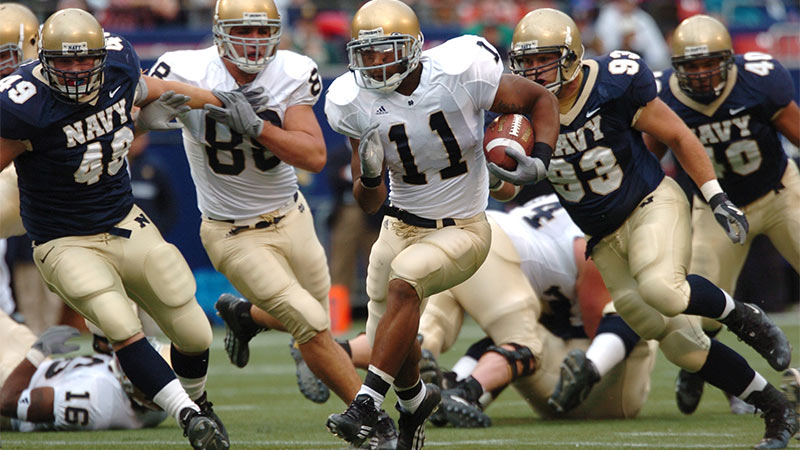
When fans track the relentless marathon of the National Football League season, one hidden structural element dictates the rhythm of the entire fall: the bye week.
While casual observers might view it simply as a quiet Sunday without a specific favorite team on the television screen, coaches, general managers, and players treat this strategic intermission as the most vital pivot point of the calendar.
Understanding how these scheduled rest periods function offers a profound look into modern athletic management, physical recovery science, and tactical adjustment.
Whether you are managing a fantasy roster, analyzing coaching strategies, or following a favorite franchise’s quest for a Lombardi Trophy, the mechanics and impact of the mid-season break define the competitive balance of professional football.
What Is a Bye Week?
At its core, a bye week is a scheduled open date during the regular season when an NFL franchise does not play a competitive game. Every single organization in the league receives exactly one of these designated breaks per season.
Rather than shutting down the entire league simultaneously—which would interrupt the continuous flow of sports entertainment—the schedule is staggered across multiple weeks.
Typically, these breaks occur from mid-September through late November, spanning roughly from Week 5 to Week 14 of the 18-week regular season structure.
During this designated period, teams do not accumulate game statistics, score points, or appear on the active weekend game slate.
However, operations behind closed doors at team practice facilities shift dramatically from weekly game preparation to internal evaluation and physical rehabilitation.
The Strategic Anatomy: How the Schedule Works
The logistical challenge of constructing an NFL schedule involves balancing thirty-two franchises across various television broadcast windows, stadium availability, and travel restrictions.
Integrating thirty-two distinct bye weeks while maintaining competitive equity requires meticulous planning by league operations.
Staggered Distribution
To ensure television partners retain a robust lineup of games each Sunday, Monday, and Thursday night, the league distributes the breaks across a ten-week window.
During any single week, only a small cohort of franchises rests, keeping the overall product consistent for viewers and broadcast networks.
Roster Management and Time Off
Once a franchise reaches its assigned break, the daily routine shifts significantly. Collective bargaining agreements dictate specific rules regarding player time off.
Typically, athletes receive several consecutive days away from club facilities to travel, visit family, and mentally detach from the intense weekly pressure.
Financial and Contractual Continuity
A common point of curiosity among casual observers involves compensation. Players are salaried employees under standard NFL contracts spanning the duration of the season.
Receiving an open date does not alter financial disbursements; players continue to receive their standard game-check compensation during their week away from the field.
Physical Recovery and Health Management
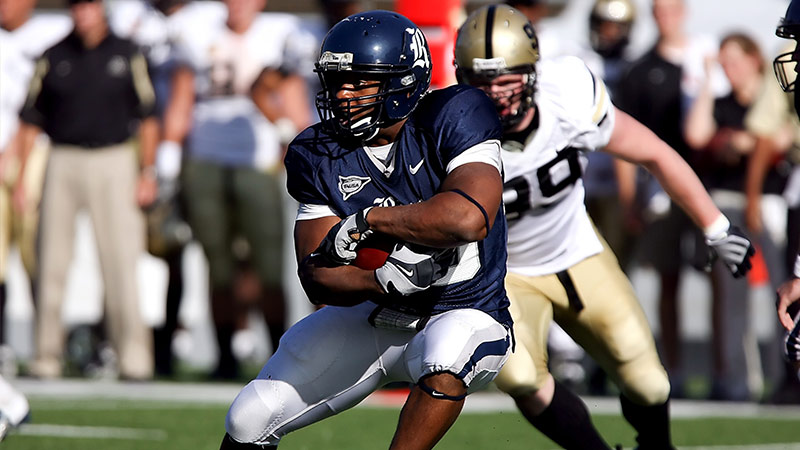
The physical toll of professional football is immense. Collisions on the gridiron compare to repeated automobile accidents, leaving players dealing with bruises, sprains, muscle strains, and joint inflammation every week.
Healing the Body
The primary medical benefit of the break is tissue recovery. Without the violent impact of a live Sunday contest, players can undergo intensive physical therapy, receive specialized treatments, and allow minor injuries to stabilize.
Mitigating Cumulative Fatigue
Football is a sport of attrition. By November, cumulative fatigue slows reaction times and increases soft-tissue injury risks.
Giving athletes a multi-day window without high-speed collisions helps reset neuromuscular systems, lowering the probability of catastrophic muscular strains as the schedule enters its winter stretch.
Tactical Refinement and Coaching Adjustments
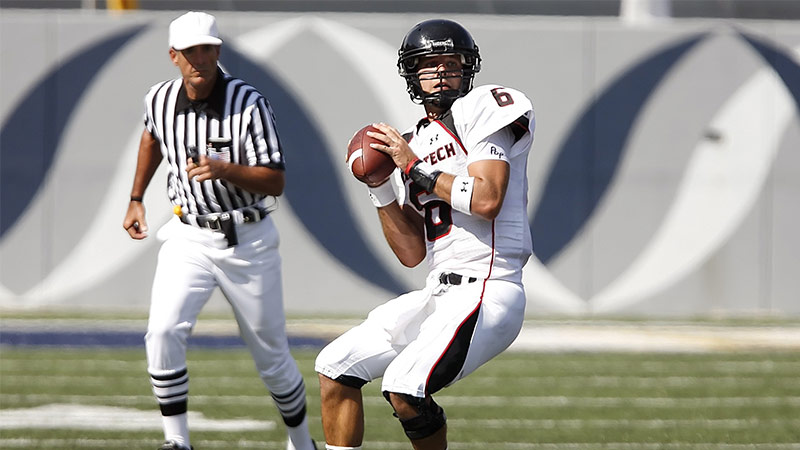
While athletes focus on physical healing, coaching staffs utilize the break to conduct a deep analytical audit of the season’s first half.
Tendency Breaking and Self-Scouting
Opposing coordinators spend the early months analyzing tendencies. During the break, coaching staffs review every snap played to identify predictable formations, inefficient play calls, and successful schemes.
By breaking down their own tendencies, coaches can introduce new wrinkles or disguise plays to surprise upcoming opponents.
Extra Preparation Time
Coaches gain crucial days to study subsequent opponents without the immediate pressure of a 6-day turnaround.
This extended runway allows coordinators to design custom game plans tailored to exploit specific defensive weaknesses or neutralize elite offensive threats.
Impact on Fantasy Sports and Fan Engagement
The rhythm of the professional season directly influences how supporters engage with the sport beyond traditional viewing.
Roster Adjustments for Managers
For participants managing fantasy football rosters, navigating these scheduled absences is a core weekly challenge.
When key quarterbacks, running backs, or wide receivers sit out, managers must secure temporary replacements from the waiver wire or adjust starting lineups to survive the weekend without dropping crucial standings points.
Broadcast Continuity
For the viewing public, the staggered format ensures that every weekend delivers high-stakes matchups.
Even when top-tier franchises sit out, divisional rivalries and marquee games remain broadcast across national networks, maintaining high engagement levels throughout the autumn months.
The Statistical Reality: Do Teams Perform Better After a Break?
A frequent topic among analysts involves measuring the tangible on-field advantage gained during the rest period. Conventional wisdom suggests that extra preparation time always translates into victory.
The Preparation Advantage
Historically, well-coached teams with veteran leadership utilize the extended preparation window to clean up execution errors, improve third-down conversion rates, and tighten red-zone defense.
When returning to action, these squads often display sharper timing and innovative play designs that catch opponents off guard.
The Rust Factor
Conversely, some analysts point to a potential downside: momentum interruption. A team rolling on a three-game winning streak may lose its competitive edge or timing rhythm during a week away from live competition. Balancing physical rest with competitive sharpness remains one of the finest arts of modern coaching.
Conclusion
The mid-season break is far more than a simple pause in the calendar; it is a critical turning point that shapes the entire competitive landscape of professional football.
By balancing physical rehabilitation with rigorous tactical evaluation, franchises use this time to reset and refocus. Players recover from the brutal physical toll of the sport, while coaches design innovative strategies for the stretch run.
Ultimately, how effectively a team utilizes this valuable rest period often determines whether they contend for a championship or fade before the playoffs arrive.