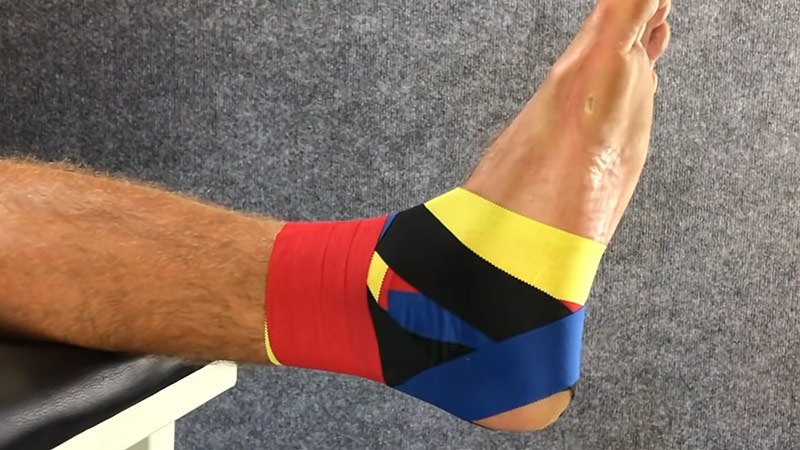
Soccer is a game defined by explosive power, rapid directional shifts, and high-impact physical duress. These movements put the ankle joint under constant strain, making it the most vulnerable area for competitive athletes.
To combat injury risks and enhance field performance, players utilize specialized taping techniques as a professional-grade solution. Understanding what is ankle tape for in soccer involves analyzing its mechanical, neurological, and psychological benefits.
The right taping strategy acts as a critical line of defense, reinforcing the joint while allowing for the fluid movement necessary for elite-level play, precision ball control, and long-term athletic durability.
The Essential Role of Ankle Tape in Professional Soccer
In the high-stakes environment of professional soccer, the ankle is subject to extreme forces during pivoting, jumping, and sudden deceleration. Ankle tape is primarily used to stabilize the joint and limit dangerous sideways movements that lead to injury.
Because of the nature of the sport, the tape essentially acts as an “external ligament,” providing a secondary layer of reinforcement that mimics the body’s natural supportive structures.
The Concept of the External Ligament
In soccer, the ligaments—specifically the lateral ligaments—are often stretched to their limits during aggressive play. By applying rigid or semi-rigid tape, players can reinforce these joint structures.
This “external ligament” is not meant to replace natural movement but to provide a safety net when the joint reaches its physiological limit, preventing the rolling or twisting that results in a sprain.
Managing High-Impact Stress
Soccer involves frequent jumping and landing, often on uneven turf or in contact with other players. The tape absorbs a portion of the mechanical stress that would otherwise be borne entirely by the tendons and bones.
This distribution of force is vital for maintaining joint integrity throughout a grueling 90-minute match.
Primary Functions: More Than Just Mechanical Support
The application of tape serves multiple purposes that extend beyond simple physical bracing. While stabilization is the most visible benefit, the physiological and neurological impacts are equally significant for a player’s performance.
Preventing Lateral Sprains and Structural Damage
The most common injury in soccer is the lateral ankle sprain, occurring when the foot rolls inward. Ankle tape is specifically designed to prevent these lateral sprains by stabilizing the joint against excessive inversion.
For players who are returning from a previous injury, this extra reinforcement is essential to ensure the healing tissues are not re-injured during the recovery phase.
Enhancing Proprioception and Neural Feedback
One of the most advanced benefits of taping is the enhancement of proprioception. The tape stimulates sensors in the skin known as mechanoreceptors, which help the brain better track the joint’s position and movement in real-time.
This increased “joint awareness” is a performance multiplier, allowing for faster neural reactions to potential ankle rolls before they result in a full injury.
Building Psychological Resilience and Confidence
The mental aspect of soccer is as important as the physical. Many players use tape to feel more secure in their footwear, which directly influences their playing style.
This sense of security allows athletes to commit fully to aggressive tackles, explosive sprints, and contested headers without the lingering fear of re-injury holding them back.
Physiological Benefits: Compression and Swelling Management
Beyond stability, tape provides consistent compression to the joint area. This compression is instrumental in managing swelling and improving blood flow during active play.
By keeping inflammation in check during the game, players often experience a faster recovery post-match and less stiffness in the joint.
Analyzing Different Tape Varieties for Optimal Results
Selecting the correct tape is a strategic decision based on a player’s specific needs, injury history, and position on the field. Different materials offer varying levels of restriction and support.
| Tape Type | Primary Use | Characteristics |
|---|---|---|
| Rigid (Zinc Oxide) | Maximum Stabilization | Strong, non-stretch tape used to strictly limit range of motion. |
| Kinesiology (KT) | Functional Movement | Elastic tape providing support without fully restricting mobility; helps with proprioception. |
| Cohesive (Coban) | Lightweight Support | Self-adherent, stretchy tape used for comfort and to hold equipment like shin guards. |
| Pre-wrap | Skin Protection | A thin foam layer applied before tape to prevent irritation and ease removal. |
Rigid Zinc Oxide for Maximum Immobilization
Rigid tape is the gold standard for players requiring maximum stabilization. It is non-stretch, meaning it provides a firm mechanical block against unwanted movement. This is typically the choice for players with a history of chronic instability or those in the late stages of rehabilitation.
Kinesiology Tape for Dynamic Movement
For players who require support but want to maintain a full range of functional movement, Kinesiology (KT) tape is the preferred option. Its elastic properties provide a gentle “tug” on the skin that enhances proprioceptive feedback without the heavy restriction of rigid tapes.
Cohesive Tape and the Importance of Pre-wrap
Cohesive tape is often used for its versatility, frequently serving to secure shin guards or provide light compression. However, regardless of the tape chosen, using pre-wrap is a critical step. This thin foam layer prevents skin irritation and makes the removal process significantly easier after the game.
Balancing Protection with Elite Performance Standards
A common challenge for soccer players is ensuring that the tape does not interfere with their technical skills. Elite-level taping requires a balance between safety and the biomechanical needs of the sport.
Maintaining Range of Motion for Ball Control
A “Pro Tip” for effective soccer taping is to focus the restriction on side-to-side rolling (inversion and eversion). At the same time, it is vital to preserve the up-and-down motion, known as plantarflexion and dorsiflexion.
This vertical range of motion is necessary for ball control, flicking the ball, and striking it with power and accuracy.
Optimizing the “Sweet Spot” of Stability
The goal is to find the “sweet spot” where the joint feels supported but not “locked.” If the tape is too restrictive in all directions, it can lead to a loss of touch and may even increase the risk of knee injuries as the body compensates for the lack of ankle mobility.
Professional trainers aim to create a customized wrap that targets the specific vulnerabilities of the individual player’s ankle.
Implementation Strategy: When and How to Tape
Taping should be viewed as a ritualized part of a player’s preparation. For those with previous injuries, taping is often a mandatory part of their pre-match routine.
However, even healthy players may choose to tape for high-intensity matches or when playing on challenging surfaces like artificial turf or wet grass.
The Return-to-Play Protocol
For athletes recovering from a grade I or II sprain, tape is a bridge to full health. It provides the necessary reinforcement during the phase where the player is cleared for contact but the ligaments have not yet regained their full tensile strength. This reduces the “gap” between clinical recovery and performance readiness.
Skin Preparation and Maintenance
To ensure the tape stays in place for the full 90 minutes, skin should be clean and dry. The use of adhesive sprays in conjunction with pre-wrap can help the tape maintain its structural integrity despite sweat and friction. Properly applied tape should feel like a second skin, moving with the athlete rather than against them.
Frequently Asked Questions (FAQ)
Does ankle tape weaken the muscles over time?
When used correctly as a tool for injury prevention during active play, there is little evidence that tape weakens muscles. However, it should be complemented with strength and balance exercises (such as using a wobble board) to ensure the internal stabilizers remain strong.
Can I tape my own ankle, or do I need a trainer?
While many players learn to tape their own ankles, having a professional athletic trainer apply the tape ensures the correct tension and anatomical alignment. If you are doing it yourself, focus on the “heel lock” and “figure-eight” patterns to provide the best lateral support.
How tight should the ankle tape be?
The tape should be snug enough to provide support but not so tight that it restricts blood flow or causes numbness. If you feel tingling in your toes, the tape is too tight and should be reapplied immediately.
Is it better to use a brace or tape in soccer?
Tape is often preferred in soccer because it is less bulky and fits more easily inside a tight-fitting soccer cleat. It also allows for more customized support compared to the “one-size-fits-all” nature of many braces.
Conclusion: Stepping Onto the Pitch with Confidence
The strategic use of ankle tape is a hallmark of the modern soccer player. By acting as an external ligament, enhancing the brain’s awareness of joint position, and providing the psychological confidence to play at 100%, ankle tape is an indispensable tool for both protection and performance.
Whether you are choosing rigid zinc oxide for maximum stability or Kinesiology tape for fluid movement, the objective remains the same: ensuring that you can control the ball and dominate the game without the threat of injury sidelined your progress.
Incorporating a professional taping routine into your kit is not just about safety—it is about achieving the longevity and excellence that the beautiful game demands.