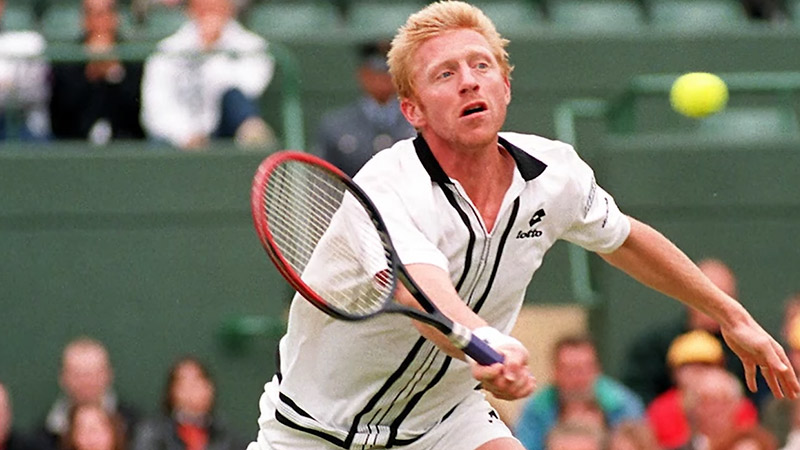
The trajectory of Boris Becker’s life remains one of the most compelling narratives in modern sporting history.
Once the youngest-ever Wimbledon champion, a man whose “Boom Boom” serve redefined the power game of the 1980s, Becker has recently navigated a period of profound legal and personal turbulence.
Today, his story is no longer just about volleys and grass courts; it is a complex study in financial management, legal accountability, and the arduous process of rebuilding a global reputation.
To understand where Boris Becker is today, one must look beyond the headlines and examine the sequence of events that led from the high-stakes world of international tennis to the confines of a British correctional facility, and finally to his current efforts toward a professional and personal renaissance in Italy.
The Financial Catalyst: Understanding the 2017 Bankruptcy
The genesis of Becker’s recent challenges can be traced back to 2017. Despite a career that yielded six Grand Slam titles and millions in prize money and endorsements, the tennis legend was declared bankrupt in London over unpaid debts that were estimated to total nearly £50 million.
This financial collapse was not merely a matter of poor investments; it became a complex legal entanglement involving multiple jurisdictions and creditors.
For a public figure of Becker’s stature, a bankruptcy of this magnitude is a transformative event that triggers intense scrutiny of every asset and financial transaction.
Under UK law, bankruptcy requires a level of transparency that would eventually lead to the more severe legal consequences Becker faced in the following years.
The Legal Turning Point: The 2022 Sentencing
The most critical juncture in this narrative occurred in April 2022. While bankruptcy itself is a civil matter, the actions taken during those proceedings can cross into the criminal threshold if assets are not fully disclosed. A UK court determined that Becker had failed to act with the required transparency.
Specifically, Becker was found guilty of hiding assets and loans totaling approximately £2.5 million. These assets included properties, bank accounts, and even some of his most cherished tennis trophies—symbols of the very career that had brought him fame. Consequently, the court sentenced him to two and a half years in prison.
This sentence sent shockwaves through the global sports community. It served as a stark reminder that even the most celebrated public figures are subject to the rigors of the law.
The legal system’s focus was not on the debt itself, but on the perceived attempt to circumvent the bankruptcy process by withholding information from the court-appointed trustees.
Life Behind Bars: HMP Huntercombe and the Path to Release
Boris Becker began serving his sentence in the United Kingdom, eventually being transferred to HMP Huntercombe, a facility often used for foreign nationals.
He served a total of eight months of his two-and-a-half-year sentence. During this period, the man who was once the center of attention at Centre Court found himself in a radically different environment, one defined by routine, reflection, and a lack of public liberty.
His release in December 2022 was facilitated by an early release scheme designed to ease prison overcrowding and expedite the deportation of foreign nationals.
Because Becker was not a British citizen, his release was immediately followed by deportation to his home country, Germany. This transition marked the end of his physical incarceration but the beginning of a long journey toward legal and financial resolution.
The 2024 Discharge: A Landmark Financial Resolution
For many observers, the most significant update in the Becker saga occurred in May 2024. After years of legal battles and financial uncertainty, a UK court officially ended his bankruptcy proceedings. This was not a simple expiration of time; rather, it was the result of a negotiated settlement.
Becker was “discharged” from bankruptcy after he demonstrated a high degree of cooperation with his trustees and agreed to contribute a “substantial sum” toward his outstanding debts. This sum was generated from settlements and his ongoing professional activities.
The discharge is a critical milestone because it allows an individual to move forward without the legal restrictions imposed by an active bankruptcy status, effectively granting Becker a clean slate to manage his future earnings.
The Move to Milan: Seeking a More Respectful Environment
Following his deportation and the resolution of his bankruptcy, Becker made a strategic and personal choice to relocate. He currently resides in Milan, Italy.
This move was motivated by more than just a change of scenery; it was a decision based on the cultural and social atmosphere he experienced in different European nations.
In interviews following his release, Becker has noted that the public and media attitude in Italy is markedly different from what he experienced in Germany or the UK.
He described the environment in Milan as more “respectful” and “less intrusive”. For a man who has spent nearly forty years in the relentless glare of the tabloid press, the relative privacy and cultural appreciation for “La Dolce Vita” in Italy provided a much-needed sanctuary for his recovery.
Rebuilding the Brand: Media, Mentorship, and the Future
Boris Becker is not a man to fade into obscurity. Since his release, he has been proactive in reclaiming his narrative. He has given several extensive media interviews, detailing the hardships of prison life and the lessons learned from his financial downfall.
Professionally, Becker is working to rebuild his career within the world of tennis and beyond. His expertise as a coach—most notably his successful stint with Novak Djokovic—remains highly valued.
His deep understanding of the mental and technical aspects of the game ensures that he remains a relevant figure in the sport’s ecosystem, even if his path back to the commentary box or the coaching bench has been complicated by his legal history.
Strategic Takeaways: Lessons from the Becker Narrative
The story of Boris Becker offers several profound insights for high-net-worth individuals and public figures alike.
- The Critical Importance of Transparency: The legal issues Becker faced were primarily rooted not in his debt, but in the lack of transparency during the bankruptcy process. In any legal proceeding, full disclosure is the only path to avoiding criminal liability.
- Reputation Management in the Digital Age: Becker’s move to Milan highlights the importance of choosing an environment that supports personal well-being. Managing a global brand requires understanding where that brand is most respected.
- The Power of Cooperation: The May 2024 discharge was only possible because Becker chose to cooperate with the authorities. Even in the most dire legal situations, proactive engagement can lead to a resolution that allows for a future beyond the crisis.
- Resilience as a Core Competency: Becker’s ability to move from a prison cell to a new life in Milan, while settling multi-million-dollar debts, is a testament to the power of resilience.
The Road Ahead
The story of Boris Becker is far from over. While the chapters involving HMP Huntercombe and the 2017 bankruptcy are now closed, the chapter of his “Milanese Renaissance” is just beginning.
By facing his past, settling his debts, and choosing a supportive environment, Becker is demonstrating a level of professional and personal tenacity that mirrors the legendary “never-say-die” attitude he once displayed on the courts of Wimbledon.
As he continues to share his journey, his experiences serve as both a cautionary tale regarding financial oversight and an inspiring example of how a global icon can navigate the darkest periods of life to find a new sense of purpose and peace.