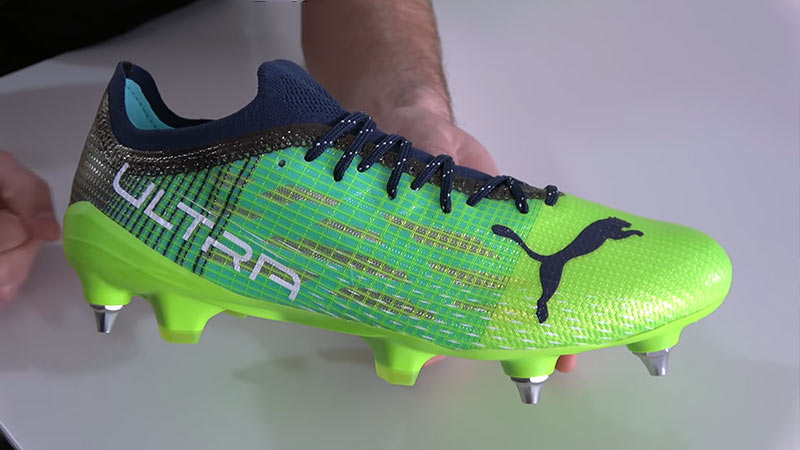
In the modern era of professional athletics, the margin between victory and defeat often rests upon the technical precision of a player’s equipment.
Soccer is no longer merely a game of imagination and a ball; it has evolved into a rigorous science where footwear is engineered to interface specifically with the playing environment.
Central to this engineering is the Firm Ground (FG) classification. Understanding the nuances of FG technology is essential for any athlete, program manager, or gear specialist looking to maximize agility while maintaining the highest standards of safety.
Defining Firm Ground: The Industry Standard
The abbreviation FG stands for Firm Ground. This designation identifies a specific class of soccer cleats designed to perform optimally on natural grass fields that are dry or only slightly damp.
These are the most prevalent types of cleats in the global market, representing the “classic” image of football footwear.
The primary objective of an FG boot is to provide a balanced experience on heavy-duty grass surfaces that offer tough resistance.
Unlike footwear designed for indoor or artificial surfaces, FG models are built to penetrate the soil just enough to offer grip without becoming a hindrance to fluid movement.
The Engineering of Traction: Stud Configuration and Soleplates
The technical superiority of FG cleats lies in their specific architecture, which focuses on three key areas: stud geometry, distribution, and soleplate flexibility.
1. Stud Geometry and Materials
FG cleats typically feature medium-length studs that are either bladed or conical in shape.
- Conical Studs: These offer a traditional feel and are preferred by players who require quick, 360-degree pivoting.
- Bladed Studs: These are often designed for maximum lateral grip and explosive acceleration, cutting through the turf like a blade to provide an edge during high-speed sprints.
These studs are generally constructed from high-quality molded plastic or rubber. This material choice ensures the boots remain lightweight while providing the durability needed to withstand the friction of a natural pitch.
2. The Soleplate Advantage
The soleplate of an FG boot is the foundation of the player’s stability. It is engineered to handle the shock of natural turf, providing a degree of cushioning that reduces stress on the foot and ankle.
Advanced soleplates are designed to be responsive—stiff enough to return energy during a sprint, yet flexible enough to follow the natural contours of the foot’s movement.
3. Pressure Distribution
Because firm ground surfaces can be unforgiving, manufacturers strategically position the studs to distribute the player’s weight evenly across the foot. This prevents the “pressure point” discomfort that can lead to fatigue during a ninety-minute match.
Performance Environments: When to Deploy FG Technology
Selecting the correct boot for the specific field condition is a critical decision for performance and injury prevention.
- Optimal Conditions: FG cleats excel on well-maintained, natural grass pitches. They are most effective in climates where the ground remains solid and does not turn into a “muddy swamp”.
- Dry to Mildly Damp Surfaces: These boots provide the perfect amount of traction when the grass is dry or has a light morning dew.
- Worn-down Turf: They are also suitable for natural fields that may be slightly worn but remain compacted rather than rock-hard.
Conversely, using FG cleats in the wrong environment can be detrimental. On very muddy or waterlogged fields, the medium studs of an FG boot lack the length to find grip, necessitating Soft Ground (SG) boots with longer metal studs.
Comparative Analysis: FG vs. Alternative Outsoles
To appreciate the strategic value of FG boots, one must understand how they differ from other specialized categories.
| Cleat Type | Primary Surface | Stud Characteristics | Strategic Benefit |
|---|---|---|---|
| FG (Firm Ground) | Natural Grass (Firm) | Medium-length, molded | Balanced grip and agility |
| SG (Soft Ground) | Natural Grass (Muddy) | Long, often metal | Maximum penetration in slick soil |
| AG (Artificial Ground) | Synthetic Turf | Shorter, numerous studs | Reduced wear on synthetic fibers |
| TF (Turf) | Shallow/Hard Turf | Small rubber nubs | Comfort on thin, hard surfaces |
The Risk of Surface Mismatch
A common error is the use of FG cleats on Artificial Ground (AG). Because FG studs are longer and designed to “dig” into soil, they can become excessively stuck in the synthetic fibers and rubber crumb of artificial pitches.
This lack of “release” significantly increases the risk of severe knee and ankle injuries, as the foot remains planted while the body attempts to pivot. Furthermore, the abrasive nature of artificial turf can cause the soleplates of FG boots to wear down prematurely.
Material Science and the Evolution of Fit
The evolution of FG boots has seen a transition from traditional craftsmanship to high-tech material application.
- Leather: Historically, the industry standard. Leather offers a traditional feel, exceptional durability, and a “molding” quality that adapts to the player’s foot over time.
- Synthetics: Modern synthetic materials are often preferred for their lightweight properties and water resistance. They allow for thinner uppers that provide a closer “touch” on the ball.
- Knit Technology: The latest innovation involves knit designs that offer a sock-like fit. These models often feature ankle-length collars made of elastic fabric that protect the joint while providing a seamless interface between the foot and the boot.
Strategic Benefits for the Athlete
Investing in high-quality FG footwear yields measurable improvements in several key performance indicators:
- Traction and Stability: The primary benefit is the ability to maintain footing during high-intensity movements. Whether cutting to avoid a defender or planting a foot for a strike, FG boots ensure the athlete stays connected to the pitch.
- Acceleration and Agility: By providing a firm “push-off” point, these cleats allow for explosive speed and sharp changes in direction.
- Injury Mitigation: By stabilizing the foot and providing appropriate grip, FG boots help prevent common injuries such as sprains that occur due to slipping or inadequate support.
- Reduced Fatigue: Through even pressure distribution and shock absorption, FG boots minimize foot fatigue, allowing players to maintain peak focus throughout the duration of a match.
Selection Criteria for High-Performance Programs
When selecting or procuring FG cleats for an individual or a team, consider the following parameters:
- Precision Fit: The boot must be snug around the heel and midfoot to prevent internal sliding, which causes blisters and instability.
- Player Position: While FG is versatile, certain designs cater to specific roles. Agile players (forwards and wingers) may prioritize lightweight, flexible models with bladed studs for speed. Power players (defenders or linemen) may opt for more supportive, stable structures.
- Maintenance Protocols: The longevity of an FG boot is directly tied to its care. Cleaning the soleplate after each use is vital to ensure that mud or debris does not interfere with the stud’s ability to penetrate the ground in the next session.
Enhanced FAQ: Technical Insights for Players and Coaches
Can FG cleats be used for indoor soccer?
No. FG cleats are strictly for outdoor use. Their large studs do not provide grip on flat indoor surfaces and can be dangerous and damaging to the court. Indoor shoes are flat and designed for friction on hard compounds.
What is the difference between FG and MG (Multi-Ground) cleats?
While FG is specialized for natural grass, MG boots are built with shorter, more numerous studs intended to function across both natural grass and artificial turf. They offer a compromise for players who frequently switch between surface types.
How do I know if my field is “Firm Ground”?
A firm ground field is a natural grass pitch that is solid underfoot. If you can push a finger into the soil but it doesn’t feel “mushy” or leave a water footprint, it is likely firm ground. If the ground is so hard that it feels like concrete, you may require turf shoes; if it is soft enough that your foot sinks, you need SG boots.
Why do some FG boots have “socks” attached?
These are known as collared boots. The elastic fabric provides a seamless transition from the leg to the foot, increasing the sensation of the boot being an extension of the body and providing light compression for ankle support.
Do cleats actually make you run faster?
Yes. By providing traction and preventing slips, cleats allow each stride to generate maximum power and acceleration that would be lost in standard sneakers.
Conclusion: The Foundation of Excellence
In the competitive landscape of modern soccer, equipment is a vital component of the performance ecosystem.
The Firm Ground (FG) cleat remains the definitive choice for the traditional game, offering a sophisticated balance of traction, comfort, and safety on natural grass.
By understanding the specific engineering behind the stud patterns and material choices, athletes and organizations can make data-driven decisions that enhance their play and protect their most valuable assets: the players themselves.
For those managing soccer programs or gear businesses, moving beyond guesswork is essential. Selecting a surface-correct product plan ensures that every player has the stability they need to reach their full potential on the field.
Whether you are sprinting toward a goal or defending a lead, the right FG setup is the foundation upon which elite performance is built.