Understanding the terminology of global soccer is essential for anyone involved in the sport, whether from a professional, analytical, or recreational perspective.
The acronym “CS” is a prime example of how a single term can carry vastly different weights depending on the environment in which it is used.
In a game governed by precision and data, misinterpreting these two letters can lead to confusion in tactical meetings, errors in performance scouting, or misunderstandings in administrative reporting.
This comprehensive guide dissects the various definitions of “CS” within the soccer ecosystem, providing the clarity required for high-level engagement with the world’s most popular sport.
The Defensive Benchmark: Defining the Clean Sheet
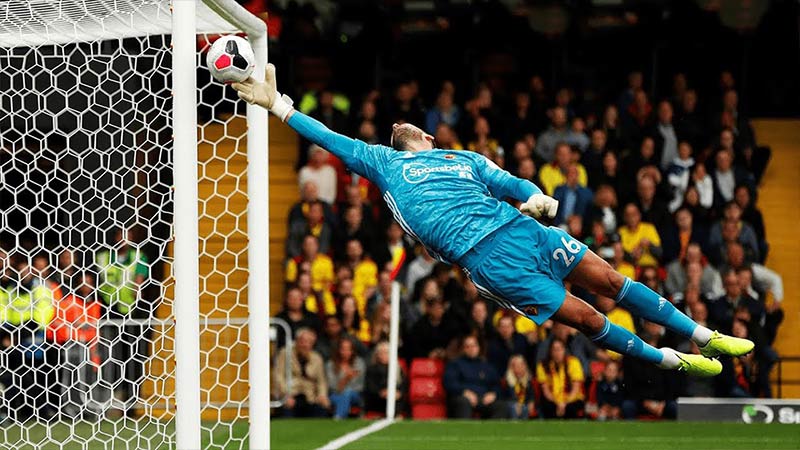
In the most common statistical and gameplay context, CS stands for “Clean Sheet”. This term describes a match in which a team, and specifically the goalkeeper and defensive unit, prevents the opposition from scoring a single goal.
From a performance standpoint, the clean sheet is the ultimate metric for defensive efficiency. It is not merely a reflection of a goalkeeper’s shot-stopping ability but a testament to the collective organization of the backline.
At the professional level, clean sheets are often used as a primary Key Performance Indicator (KPI) for evaluating defensive personnel and are frequently tied to financial bonuses in player contracts.
The historical roots of the term trace back to the era when scores were recorded on white sheets of paper or chalkboards; if a team failed to score, that section of the record remained “clean.”
Today, a high CS percentage is a hallmark of championship-winning teams, often signaling a disciplined tactical structure that prioritizes defensive solidity as a platform for offensive success.
The Tactical Pivot: The Center Striker
When discussing team formations and player recruitment, CS often refers to the Center Striker.
While the broader term “Forward” is frequently used, the Center Striker designation is more specific, referring to the central attacking player who operates primarily in the “Number 9” role.
The evolution of modern soccer has seen the CS role transform from a traditional “target man”—who relied on physical presence and aerial prowess—into a more dynamic position. A modern Center Striker must possess a diverse skill set, including:
- Hold-up Play: The ability to shield the ball from defenders while teammates join the attack.
- Clinical Finishing: High efficiency in converting scoring opportunities within the penalty area.
- Tactical Intelligence: Understanding when to “stretch” the opposition defense by making runs in behind or when to drop deep to link play.
In recruitment analytics, the CS is often the most expensive asset on the pitch. Differentiating a Center Striker from a Wing Forward or a Second Striker is crucial for managers when building a balanced attacking unit.
Elite Performance Analytics: The Curve Sprint
For sport scientists and high-performance coaches, “CS” carries a more technical definition: Curve Sprinting. Unlike traditional track athletics, soccer is rarely played in straight lines.
Players are constantly required to accelerate, decelerate, and maintain high speeds while navigating curved paths to bypass opponents or track runners.
Curve Sprinting is a specialized movement pattern that is increasingly analyzed in elite soccer to gain a competitive edge. Monitoring a player’s ability to maintain velocity on a curve is vital for:
- Scouting and Talent Identification: Identifying players with the biomechanical efficiency to beat defenders on the outside.
- Injury Prevention: Analyzing the specific stresses placed on the ankles, knees, and hips during high-speed directional changes.
- Position-Specific Training: Tailoring drills that mimic the actual demands of a match, where linear sprints are the exception rather than the rule.
By focusing on CS as a performance metric, clubs can develop more nuanced training regimens that reflect the true physical nature of the game.
The Digital and Commercial Landscape: Correct Score and Club Selection
Beyond the physical pitch, “CS” is a foundational term in the commercial and gaming sectors associated with soccer.
1. The Betting Market: Correct Score
In the global sports wagering industry, CS frequently stands for “Correct Score”. This is a popular betting market where participants attempt to predict the exact final score of a match (e.g., 2-1, 0-0, or 3-0).
Because predicting an exact outcome is significantly more difficult than predicting a simple win, draw, or loss, the Correct Score market typically offers higher odds and attracts sophisticated bettors looking for high-value opportunities.
2. Virtual Soccer: Club Selection
In the world of eSports and video games—specifically titles like eFootball and the EA Sports FC (formerly FIFA) series—CS can stand for “Club Selection”.
This refers to specialized player packs or limited-edition digital cards that represent the top-performing players from specific professional clubs.
For the millions of fans engaging with soccer through digital platforms, “CS” is synonymous with premium content and team-building strategy.
Administrative Integrity: The Contested Score
At the grassroots and youth development levels, “CS” takes on an administrative meaning: Contested Score.
This term is used by league management organizations, such as Utah Youth Soccer, to flag matches where the two opposing teams have submitted conflicting final results.
Maintaining the integrity of league standings is paramount for fair competition and proper seeding in tournaments.
When a score is marked as a Contested Score, it triggers a verification process where league officials review referee reports and, in some cases, video footage to determine the official outcome.
This use of the term ensures that the administrative side of the game remains as accurate and transparent as the professional tier.
Enhanced FAQ: Clarifying Common Questions
Does a “Clean Sheet” only count for the goalkeeper?
While the goalkeeper is the primary beneficiary of the stat, a clean sheet is credited to the entire team. In many professional leagues, both the starting goalkeeper and the defenders are evaluated based on the team’s ability to maintain a CS.
How does a Center Striker (CS) differ from a Center Forward (CF)?
In many modern tactical setups, the terms are used interchangeably. However, “Center Striker” often implies a player whose primary focus is scoring goals and staying high up the pitch, whereas a “Center Forward” might have broader responsibilities in playmaking and linking the midfield to the attack.
Why is Curve Sprinting (CS) considered more important than straight-line speed?
While 100m sprint times are impressive, soccer players rarely run 100m in a straight line. Most high-intensity actions involve curved runs to stay onside, round a defender, or close down an angle. Measuring CS provides a more accurate picture of a player’s “game speed.”
Conclusion: Navigating the Complexities of the Game
As we have explored, the meaning of “CS” in soccer is entirely dependent on the environment. It can represent a defensive triumph, a tactical role, a cutting-edge performance metric, a commercial product, or an administrative necessity.
For professionals in the industry, mastering this lexicon is about more than just knowing definitions—it is about clear communication.
Whether you are a coach analyzing a player’s Curve Sprint, a scout looking for a new Center Striker, or an administrator resolving a Contested Score, understanding these nuances ensures that you are operating at the highest level of the sport.
As the game continues to evolve through data science and global commercialization, the shorthand we use will only become more specialized. Staying informed is the best way to remain competitive in this fast-paced global industry.