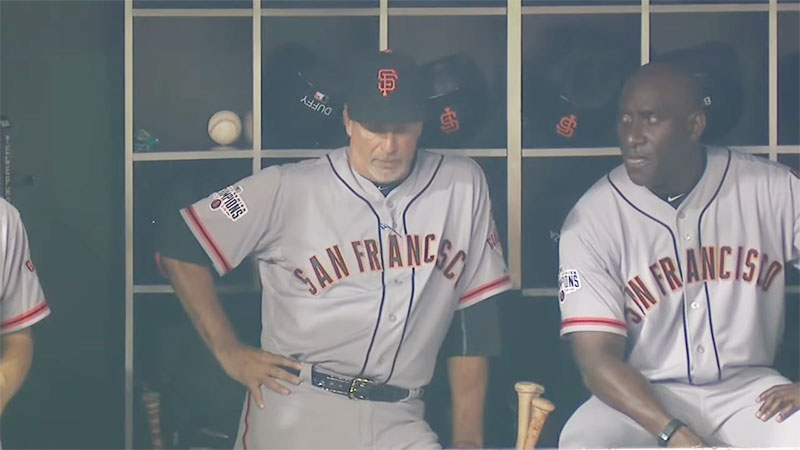
In modern professional baseball, victory is often determined long before the final pitch is thrown.
While the field manager commands public attention and handles post-game media interactions, the engine driving dugout efficiency, strategic preparation, and operational alignment is the bench coach.
Functioning as the manager’s chief assistant and right-hand lieutenant in Major League Baseball (MLB), the bench coach oversees an extensive array of responsibilities that bridge high-level data analysis, live game tactics, administrative operations, and interpersonal communication.
As Major League Baseball continues to evolve with advanced technology and sophisticated statistical modeling, the dugout dynamic has fundamentally transformed.
No longer a passive observer or mere backup, the bench coach serves as a tactical co-pilot who ensures that front-office strategy translates seamlessly onto the playing field.
Understanding what a bench coach does requires examining their duties across five crucial operational domains: in-game tactical management, scouting and analytics integration, organizational administration, player-manager communication, and emergency leadership command.
1. In-Game Strategy and Tactical Planning
During the course of a nine-inning contest, a Major League dugout functions like a high-stress command center. Decisions must be rendered in seconds based on shifting probabilities, pitcher fatigue, weather conditions, and opponent tendencies.
The bench coach acts as the manager’s primary advisor and trusted sounding board during these intense situations, continually offering an objective second perspective on complex managerial choices.
Live Game Adjustments and Matchup Planning
One of the most visible aspects of the bench coach’s role involves calculating live-game strategic options. Throughout each inning, the bench coach maps out potential scenario branches two to three innings in advance.
This includes anticipating when the opposing team might bring in a specialized reliever, evaluating bench players for potential pinch-hitting opportunities, and identifying ideal situations for pinch-runner substitutions.
In addition to offensive adjustments, the bench coach works closely with the manager and coaching staff to manage defensive positioning and tactical alignments.
By referencing pre-game positioning materials and observing batter swing paths in real time, the bench coach helps ensure that fielders shift appropriately for specific pitching matchups and count situations.
Sounding Board for High-Stakes Choices
While the field manager ultimately carries final responsibility for every decision, making dozens of tactical choices per game in isolation can lead to decision fatigue. The bench coach acts as a constant confidant, evaluating risk alongside the skipper.
Whether debating when to pull a starting pitcher, initiate a double-steal, or issue an intentional walk, the bench coach provides immediate, real-time feedback that helps the manager weigh immediate outcomes against long-term roster health.
2. Bridging Front-Office Analytics and Opponent Scouting
The modern Major League Baseball landscape relies heavily on quantitative research, proprietary metrics, and comprehensive scouting reports.
However, data is only valuable if it can be digested and applied effectively by players and coaches on the field.
The bench coach plays a central role in reviewing analytics, statistics, and scouting reports generated by front-office research teams to prepare the roster for upcoming opponents.
Translating Complex Metrics into Dugout Strategy
Before the opening pitch of any series, the bench coach spends hours analyzing detailed reports. These reports cover every aspect of the opposition, including pitcher pitch-selection tendencies in specific counts, catcher pop times, runner jump percentages, and hitter weakness maps.
The bench coach synthesizes these statistical insights into clear, actionable game plans that coaches and players can easily execute during live competition.
By acting as an analytical translator, the bench coach ensures that the franchise’s technical investment directly informs field decisions.
This preparation enables the club to exploit subtle opponent vulnerabilities, optimize bullpen usage, and anticipate opposing tactical moves throughout a multi-game series.
3. Behind-the-Scenes Leadership and Dugout Operations
While fans see the bench coach standing beside the manager during game broadcasts, much of the bench coach’s most valuable work takes place behind closed doors hours before the stadium gates open.
The bench coach handles critical administrative duties that maintain day-to-day dugout operations and organizational structure.
Organizing Schedules and Training Operations
A 162-game Major League season demands meticulous daily planning. The bench coach is responsible for organizing daily schedules, including structured batting practice rotations, infield drills, and pre-game meetings.
During the spring, this administrative responsibility scales significantly; the bench coach coordinates complex spring training schedules involving dozens of players across multiple fields, split-squad games, and specialized conditioning sessions.
By managing these logistical requirements, the bench coach establishes a consistent daily rhythm that allows players and specialized coaches to focus entirely on performance preparation.
Serving as the Communication Bridge
Maintaining a healthy locker room atmosphere across six months of intense competition requires constant interpersonal care. The bench coach serves as a vital player liaison, acting as a functional bridge between the roster and the manager.
Because managers must occasionally make difficult roster or playing-time decisions that create tension, the bench coach provides an accessible channel for open dialogue.
The bench coach relays instructions from leadership to players, explains tactical roles, listens to athlete concerns, and helps smooth out communication hurdles before minor issues turn into dugout distractions. This liaison role fosters trust, preserves locker room cohesion, and ensures alignment across the entire organization.
4. Contingency Command and Emergency Leadership
A Major League bench coach must always be prepared to take immediate control of the team without warning.
Under Major League Baseball rules, if the head manager is ejected by an umpire or becomes unavailable due to illness or personal reasons, the bench coach immediately steps in as acting manager.
Seamless Operational Continuity
When an ejection occurs, there is no time for organizational confusion. The bench coach steps directly into the managerial role, assuming full responsibility for bullpen management, lineup substitutions, umpire discussions, and tactical calls.
Because the bench coach has participated in all pre-game planning and scouting reviews, the transition in command is seamless, allowing the team to maintain strategic continuity throughout the remainder of the game.
5. The Premier Pathway to Becoming a Big-League Manager
The bench coach position is widely recognized across professional baseball as the premier stepping stone toward becoming a Major League manager.
Because the role exposes a coach to every facet of franchise management—including media relations, front-office coordination, game strategy, and player psychology—it offers the ultimate training ground for future head managers.
Many clubs specifically target former big-league managers or high-potential coaching prospects for the bench coach position.
Former skippers bring valuable experience and calm authority to the dugout, while rising coaching talents gain complete visibility into how a major league club is operated on and off the field.
Consequently, when managerial vacancies open across the league, sitting bench coaches are routinely among the top candidates interviewed for head coaching positions.
Conclusion
The position of Major League Bench Coach represents much more than a secondary seat on the dugout bench. As a master coordinator, analytical interpreter, tactical advisor, and organizational administrator, the bench coach is fundamental to a baseball team’s daily success.
By combining sharp tactical instincts with clear communication and administrative precision, the bench coach ensures that a franchise operates as a unified, high-performing unit across the grueling length of an MLB season.
The next time you watch a Major League broadcast, look closely at the dugout interactions between innings. Behind every quick bullpen call, defensive shift, and timely pinch-hitter is a dedicated bench coach working behind the scenes to turn preparation into victory.