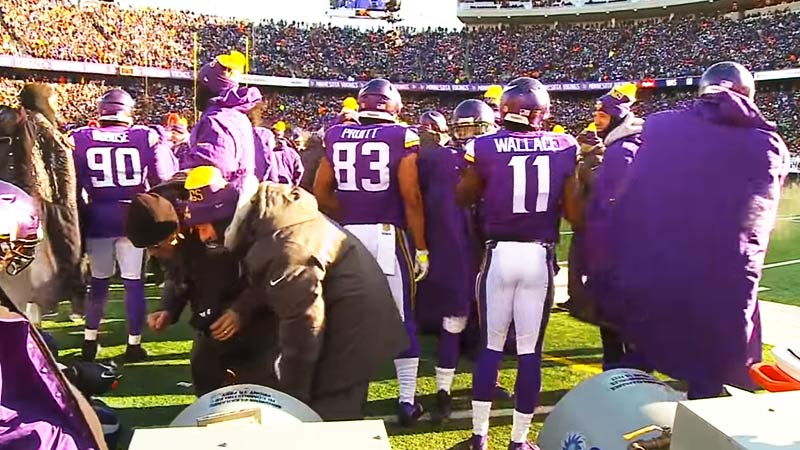
If you’re looking for a comfortable way to stay warm while working out, consider wearing athletic clothes like long-sleeve shirts and tights. Make sure you have the appropriate gear to protect your skin from injuries in case of falls or other accidents.
Carry personal protection products like pads and jerseys with you when exercising outside so that you can avoid getting sick. Finally, never forget to hydrate yourself by drinking plenty of water before, during and after workouts.
What Do Nfl Players Wear In Cold Weather?
When it comes to dressing for the gym, you don’t have to sacrifice style. Get a long-sleeve shirt and athletic pants to keep your body warm while working out.
If you’re going for a more traditional look, consider wearing pads and jerseys during your workout sessions. Make sure you take care of your skin too by using sunscreen and lip balm before hitting the gymnasium or track field.
Be prepared for any weather conditions with proper gear like rain boots or umbrellas in case it starts raining while you’re exercising outdoors. Finally, be sure to drink plenty of fluids throughout the day so that you stay hydrated and energized as you work up a sweat.
Long-sleeve Shirt
NFL players often wear long-sleeve shirts in cold weather to keep warm. Be sure to buy a shirt that fits well and is made from heavyweight fabric so it will keep you warm throughout the game.
Consider buying a thermal hood if you’re looking for extra warmth, or choose an alternate outfit such as gloves or boots instead of a jacket when the temperature drops below freezing. Always bring along some food and drinks to stay hydrated during the game, and make sure to bundle up.
Remember that NFL games can be very physical, so dress for the cold weather conditions that may occur on game day.
Athletic Tights
Athletic tights are a must-have for NFL players when it’s cold outside. They keep your legs warm and protect you from the elements, making them a great choice for colder weather sports like football or hockey.
Make sure to get pants that fit well so you don’t feel constricted in these tight clothes while playing your favorite sport. Be sure to pack some extra pairs of socks if needed in case of precipitation or wet conditions on the field or ice rink.
Stay safe and comfortable this winter by wearing athletic tights.
Pads and Jerseys
NFL players wear pads and jerseys to keep warm in cold weather. The material used in the pads and jerseys is designed to protect them from freezing temperatures.
The padding on the player’s body can also help reduce pain from tackles or other impact injuries. In colder climates, teams typically dress their players in layers so that they can adjust their warmth as needed.
Wearing a helmet, gloves and cleats are also important safety precautions for NFL players during cold weather games or practices.
How do NFL football players stay warm in cold weather?
NFL football players have to be prepared for cold weather, which means they need to wear long underwear and battery operated hand warmers. They can also use long Johns or coats to stay warm in the colder temperatures.
Finally, players should make sure that their hair is pulled back so it doesn’t obstruct their vision or breathing while playing in the cold weather conditions.
What thermals do NFL players wear?
Nike’s Hyperwarm Flex thermals are a popular choice among NFL players because they offer maximum insulation and warmth. The thermal underwear is designed to keep you warm while keeping your body as close to the temperature of the environment as possible.
This maximizes heat retention and keeps you comfortable during cold weather games or practices. Make sure to buy a size that fits snugly so it doesn’t move around on game day, and avoid wearing them in hot climates where temperatures reach over 100 degrees Fahrenheit (38 degrees Celsius).
What do football players wear on their arms in cold weather?
Football players typically wear Vaseline on their arms to prevent them from getting cold. They can also use ski masks to protect themselves from the wind and snow.
In colder weather, football players may wear thicker clothes and more layers so that they stay warm.
Why don t NFL players wear sleeves in the cold?
There are a few reasons why NFL players don’t wear sleeves in the cold. The first is that they want to show off their muscles, and wearing sleeves would make it hard to do this. Second, they want to be able to move their arms freely so they can catch the ball or block someone’s path. Finally, if there is any moisture on their skin it will freeze instantly and cause pain
- NFL players wear sleeves because it helps them keep their grip on the ball in cold weather conditions. The fabric of a player’s sleeve can become grippy and slippery when it is cold outside, which can cause fumbles or other turnovers.
- Linemen also don’t like to wear sleeves because they think that they will lose an edge if their opponents do not have similar protection. Without gloves, linemen may be less able to grab onto balls and hold onto defenders during tackles.
- There are studies that show that wearing sleeves actually decreases your chances of getting frostbite or severe skin burns while playing in the cold weather conditions. Wearing protective gear such as sleeves allows you to stay warm without having to sacrifice any mobility or strength.
How do NFL players not get frostbite?
NFL players use helmet warmers and heated bench seats to keep themselves warm during games. Their pads don’t freeze, thanks to the warmth of their helmets and the benches they sit on.
Players also take precautions against frostbite by wearing gloves and warming up before each game.
Are the fields heated in the NFL?
Yes, the fields in the NFL are heated. Boilers heat the field and pipe it beneath the playing surface to prevent it from freezing. Preventing frozen fields is important because they can cause serious injuries during games.
Heating systems also keep players comfortable by keeping their bodies at a consistent temperature all game long.
Does Vaseline keep you warm?
Yes, Vaseline can help to keep you warm by providing a warming sensation. You can also use oil to warm up quickly, but be sure to apply it sparingly so that it doesn’t cause any fire hazards.
If you don’t have any other options, using vaseline as a barrier against the elements may help you stay warm until your next opportunity for shelter arrives.
How do you stay warm at Lambeau Field?
There are a few ways to stay warm at Lambeau Field. You can wear layers, bring a hat and scarf, or sit close to the fireplaces in the concourse area.
- One of the best ways to stay warm at Lambeau Field is by wearing multiple layers. This will help trap heat and prevent you from getting too cold.
- It’s important to avoid wearing anything with metallic fibers, as these materials can actually cause you to get colder faster than normal.
- Stay inside the stadium where it’s warm and draft-free. The air inside a stadium is much warmer than the outside temperature, so it will be a great place to keep yourself warm during game time.
- Finally, don’t forget about your breath. When temperatures drop below freezing, condensation can form on your lips and teeth which can make breathing difficult – wear goggles or mouth shields if this happens while attending a game in Green Bay.
How do NFL refs stay warm?
NFL refs are required to wear special clothes and equipment that help keep them warm in the cold weather. In addition, many of their vehicles have heating systems that keep them comfortable during long trips.
Wetsuit
Referees need to stay warm while they are officiating in cold weather conditions. They do this by wearing a wet suit. This garment helps keep them warm and protected from the elements.
Cold Weather Compression Gear
Another way that referees can stay warm is by using cold weather compression gear. This gear helps reduce inflammation and swelling, which can lead to faster healing times for injuries sustained during games or practices.
Uniform Pants
The pants that refs wear also play an important role in their overall comfort and warmth when officiating in cold weather conditions. The pants are made out of materials such as wool and cotton, which help trap heat inside the clothing so that it remains accessible to the referee throughout the game or practice session.
Finally, make sure you have all of your necessary safety equipment on hand before heading outside into the cold. These items include a whistle, a watch, gloves, boots, a hat (if needed), sunscreen/sunscreen lotion, sunglasses/sunglasses with sun protection lenses if needed.
To Recap
NFL players often wear a variety of warm clothing when playing in cold weather, such as heavy coats and gloves. They may also choose to wear hats or helmets to keep their heads and ears warm.
When the temperature drops below freezing, some NFL teams have started using special footballs that are designed for extreme cold weather.