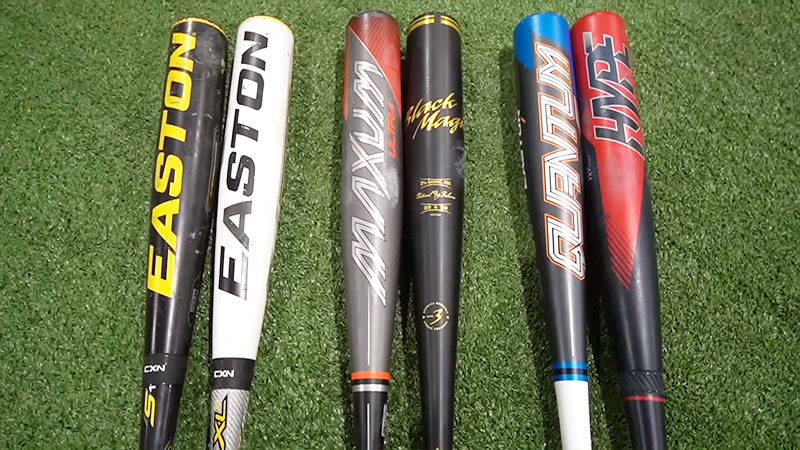
Every fraction of a second matters in the batter’s box. When a pitcher unleashes a fastball traveling at 95 miles per hour, a hitter has roughly 400 milliseconds to track the rotation of the ball, decide whether to swing, and execute a powerful rotational movement.
In that microscopic window of time, the connection between the player’s hands and the instrument dictates success or failure.
If the handle slips even a millimeter upon impact, energy transfer drops significantly, resulting in a weak fly ball or a stinging vibration known as getting jammed.
To optimize this connection, players at every level—from Little League diamonds to the major leagues—utilize an array of sticky or textured substances on their bats.
Understanding why players rely on these materials reveals a fascinating blend of physics, biomechanics, and time-honored baseball tradition.
The Core Problem: Physics and Biomechanics in the Batter’s Box
To comprehend why pine tar and spray adhesives are vital, one must first look at the immense physical forces involved in hitting a baseball.
When a bat strikes a ball, the impact creates an instantaneous shock wave and a massive torque force that pushes back against the hitter’s hands.
Without adequate friction, the natural sweat and oils from a player’s skin create a slick barrier between the leather batting gloves and the wood or composite handle.
The Relaxed Grip Paradox
Conventional wisdom might suggest that holding the bat tighter prevents slipping. However, biomechanics prove the exact opposite.
- Muscle Tension: Squeezing the bat handle too tightly engages the forearms and wrists, causing the muscles to tense up. Tense muscles move slower and lack fluidity.
- Fluid Mechanics: A relaxed grip allows for maximum bat speed, quicker wrist snap, and a smoother swing path.
By applying tacky substances to the equipment, players create a high-friction interface.
This enhanced friction allows them to maintain a loose, relaxed hold on the handle with the confidence that the tool will remain secure during the violent swing deceleration and follow-through.
Common Substances Used to Enhance Bat Grip
Over generations, hitters have experimented with various concoctions to achieve optimal tackiness. Today, the clubhouse features a standard toolkit of preferred options.
1. Traditional Pine Tar
Pine tar is a thick, dark, sticky resin extracted through the destructive distillation of pine wood. It has been a staple of the sport for over a century.
- Application: Hitters typically apply it to the handle or the upper taper of a wood bat to secure their grip.
- The George Brett Incident: Pine tar achieved legendary cultural status during the infamous “Pine Tar Incident” of 1983, when Kansas City Royals third baseman George Brett had a go-ahead home run nullified because opposing managers argued his pine tar extended too far up the barrel (a rule that was later adjusted).
- Transfer Method: Many players deliberately apply pine tar to their batting helmets or batting gloves. This allows the substance to transfer naturally to their hands and the bat handle during a game without needing constant reapplication.
2. Spray Adhesives and Stickum
Modern professional and collegiate players often look for cleaner, faster alternatives to traditional pine tar, which can be notoriously messy and difficult to wash off uniforms.
- Tough Skin and Athletic Sprays: Originally formulated as a pre-taping skin adhesive for athletic trainers, players discovered that spraying Tough Skin onto their bat handles or gloves creates an immediate, tacky layer.
- Convenience: These sprays dry quickly, offer consistent grip across various weather conditions, and leave minimal residue compared to heavy liquid resins.
3. Modern Grip Tape
While traditionalists swear by wood handles coated in resin, synthetic grip tapes have transformed modern equipment management.
- Cushion and Texture: Brands like Lizard Skins provide advanced polymer wraps that offer a tacky surface combined with foam cushioning.
- Vibration Dampening: Grip tape absorbs some of the sting when a player hits a ball off the end of the bat or jams their hands inside.
- Consistency: Unlike pine tar, which can become overly sticky in hot weather or slick in freezing temperatures, grip tape offers predictable, uniform performance.
4. Rosin Bags
Rosin is a dry, powdered resin derived from pine trees, most commonly recognized by the white bags pitchers keep on the mound.
- Moisture Control: Hitters use rosin to counteract extreme wetness, sweat, or excess liquid pine tar.
- The Ideal Balance: When pine tar or spray adhesive becomes too slick due to high humidity or body heat, dusting the hands with rosin cuts down on the slickness and locks in the perfect level of tackiness.
Rules and Regulations Governing Grip Enhancements
Like many aspects of baseball, the use of grip-enhancing substances is strictly regulated by governing bodies to maintain a fair playing field.
The Rulebook Standard: In Major League Baseball, Official Baseball Rule 6.02(c) (formerly Rule 1.10) dictates that no substance may be applied to the bat further than 18 inches from the end of the handle.
Umpire Inspection: Umpires routinely check bats before and during games. If a bat features pine tar or adhesive past the legal 18-inch mark, it can be removed from play, and the player or manager may face disciplinary action.
Batting Gloves and Uniforms: While pine tar is permitted on the bat handle within the designated zone, players must manage the transfer to their uniforms carefully to prevent excessive accumulation on balls or other players’ equipment.
Environmental Variables: Weather and Grip Management
A hitter’s approach to grip management changes dynamically depending on the weather conditions.
| Weather Condition | Primary Challenge | Preferred Solution |
| Hot and Humid | Excessive sweat makes handles slick; pine tar can liquefy and become overly messy. | Combining light spray adhesive with dry rosin powder to maintain control. |
| Cold and Dry | Wood becomes hard and brittle; hands lose natural sensitivity and tactile feedback. | Heavy applications of warm pine tar or thick, cushioned grip tape. |
| Wet or Rainy | Moisture compromises leather gloves and wooden surfaces instantly. | Waterproof synthetic grip tapes and heavy rosin usage. |
Frequently Asked Questions
Why do baseball players put pine tar on their helmets?
Players apply pine tar to the brim or crown of their batting helmets so their batting gloves naturally pick up the sticky substance when they adjust their helmets between pitches. This eliminates the need to carry a messy bottle of pine tar into the batter’s box.
Is pine tar legal in Major League Baseball?
Yes, pine tar is completely legal as long as it is applied only to the handle of the bat, extending no more than 18 inches from the knob.
Why do modern players prefer grip tape over pine tar?
Grip tape provides a cleaner application, consistent cushioning against shock and vibration, and predictable performance regardless of temperature changes. It also eliminates the messy cleanup associated with traditional liquid resins.
Conclusion
What may look like a quirky ritual or a messy habit to the casual observer is actually a carefully calculated aspect of athletic preparation.
By utilizing pine tar, spray adhesives, grip tape, and rosin, baseball players control the critical variable of friction.
This mastery over their equipment allows them to maintain a relaxed, fluid swing, generating maximum bat speed and power when facing the world’s best pitchers.