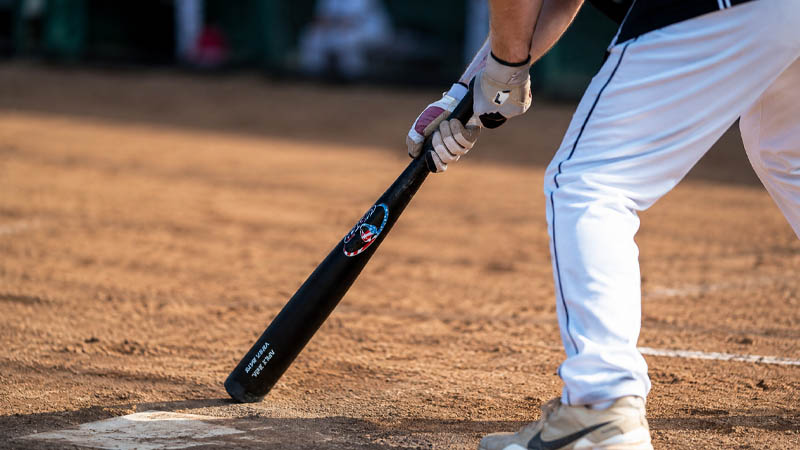
Stepping into the batter box against a ninety-five-mile-per-hour fastball requires absolute confidence. When fractions of a second dictate success, every detail matters—from stance and timing to the exact equipment a player holds.
If you have ever watched a major league game closely, you have likely noticed dark, sticky substances smeared across a player’s bat handle, colorful wraps winding down the grip, or a heavy metal ring sliding off just before stepping up to face the pitcher.
What exactly are baseball players putting on their bats, and why do they use these specific tools?
Understanding the mechanics of hitting involves looking past the swing itself and examining the science of friction, momentum, and comfort.
From traditional pine tar to modern synthetic wraps and warm-up weights, this comprehensive guide explores everything baseball players apply to their bats to gain a competitive edge.
The Core Science of Bat Control: Why Grip Matters
To understand why players apply various substances to their bats, consider the physics of hitting a baseball. When a bat connects with a ball traveling at high speeds, the impact generates massive shockwaves and torque.
If a batter holds the bat too tightly, their forearms tense up, restricting bat speed and flexibility. Conversely, holding the bat too loosely risks the equipment slipping or flying out of their hands entirely upon impact.
The ideal hitting mechanics require a loose, relaxed grip combined with maximum traction. This delicate balance allows the wrists to snap quickly through the hitting zone while keeping the barrel under complete control. Batters rely on a variety of legal enhancements to achieve this optimal friction without sacrificing comfort.
Traditional and Modern Grip Enhancements
Pine Tar: The Classic Sticky Substance
No discussion of baseball equipment is complete without mentioning pine tar. This thick, dark brown resin is extracted from pine trees and has been a staple in dugouts for generations.
- Application: Hitters typically rub pine tar onto the handle or the upper portion of the bat handle. Some players even wrap a piece of pine tar-covered rag around the bat rack so they can easily apply it during games.
- Function: The primary purpose of pine tar is to create a tacky surface. This high level of stickiness allows players to maintain a secure hold on the bat without squeezing too hard.
- The George Brett Rule: Pine tar famously entered baseball lore during the 1983 “Pine Tar Incident,” when Kansas City Royals player George Brett had a home run nullified because pine tar extended too far up the barrel of his bat (exceeding the eighteen-inch rule enforced at the time). The ruling was later overturned, but it cemented pine tar’s legendary status in the sport.
2. Grip Tape: The Modern Standard
While traditionalists still swear by pine tar, modern equipment technology has introduced synthetic and rubber wraps that offer clean, consistent performance.
- Application: Brands like Lizard Skins manufacture specialized polymer-based tape wrapped tightly around the bat handle in a spiral pattern, much like tennis racket or bicycle handlebar tape.
- Function: Grip tape provides multiple benefits simultaneously. It adds cushion to absorb the stinging shock of mishits, prevents the hands from slipping due to sweat or rain, and allows players to customize the thickness of the handle to match their hand size.
- Maintenance: Unlike pine tar, which can get messy and stain uniforms, grip tape is easily replaceable once it wears down or loses its traction.
3. Spray Tack and Rosin: Fast Alternatives
For players who want the stickiness of pine tar without the heavy, messy residue, alternative substances offer quick solutions between innings.
- Spray Tack: These aerosol-based, quick-drying sticky sprays can be applied directly to batting gloves or bat handles for an immediate boost in friction.
- Rosin Bags: Rosin is a dry, powdery substance derived from pine resin. Players often tap a rosin bag to absorb hand moisture and create a dry, secure tackiness. It is widely used by pitchers for grip, but hitters frequently use rosin or anti-slip powders to keep their hands dry during humid summer games.
Warm-Up Tools: Preparing the Muscles On-Deck
While grip enhancements stay on the bat during live play, other tools are strictly reserved for the moments before a plate appearance.
Bat Donuts: The On-Deck Weight
The heavy metal ring slid over the barrel of the bat is universally known as a bat donut.
- Function: The primary purpose of a bat donut is resistance training for the immediate moment. By sliding the heavy ring onto the barrel during practice swings in the on-deck circle, a batter increases the workload on their forearms, wrists, and shoulders.
- The Psychophysiological Effect: When the batter removes the donut just before stepping up to the plate, the bat suddenly feels remarkably light. This sudden change creates a neurological and muscular contrast known as weighted-implement training, which can help increase bat speed during the actual swing.
- Safety and Regulation: Batters only use donuts in the on-deck circle or practice cage. Using a weighted ring during an actual live at-bat is strictly prohibited by league rules, as it alters the weight distribution and safety profile of the equipment.
Comparing Baseball Grip and Warm-Up Options
The Evolution of Hitting Comfort and Rules
Baseball is a game rooted in tradition, but equipment innovation continuously shapes how players prepare. League governing bodies carefully regulate what is permitted on the field to ensure fair competition.
For example, while pine tar is permitted on the lower portion of the bat, applying sticky substances too high up the barrel is strictly monitored to prevent illegal contact or altered ball flight.
Similarly, batting glove technology has evolved alongside grip tape. Many modern players wear specialized batting gloves featuring silicone palms or digital leather textures that grip polymer tape and pine tar even more effectively than bare skin.
Frequently Asked Questions
Why do baseball players put pine tar so high up on their bats?
Some players extend pine tar up the handle and onto the lower barrel not just for grip, but because they frequently foul off pitches that hit the handle area, or they simply prefer having a tacky feel across a larger surface area of the bat.
However, league regulations limit how far up the barrel pine tar can legally be applied during official games.
Do wood bats and metal bats use the same grip enhancements?
Professional wood bat users (such as those in Major League Baseball) frequently rely on traditional pine tar and specialized tape.
Youth and amateur players using composite or aluminum bats almost exclusively use synthetic grip tape, as pine tar can permanently stain and damage composite materials.
Does a bat donut actually make you swing faster?
Sports science research indicates that while a bat donut warms up specific muscle groups, extreme weight additions can alter swing mechanics if the warm-up bat feels too heavy.
Most modern players prefer lighter warm-up sleeves or dry swings focused on mechanics rather than overly heavy metal donuts.
Conclusion
What baseball batters put on their bats is a careful mix of tradition, science, and personal preference.
Whether it is the sticky, time-tested resin of traditional pine tar, the engineered comfort of modern polymer grip tape, or the heavy steel ring of an on-deck donut, every accessory serves a specific purpose.
Together, these tools give players the confidence, control, and muscle readiness needed to step into the batter’s box and perform at their absolute best.