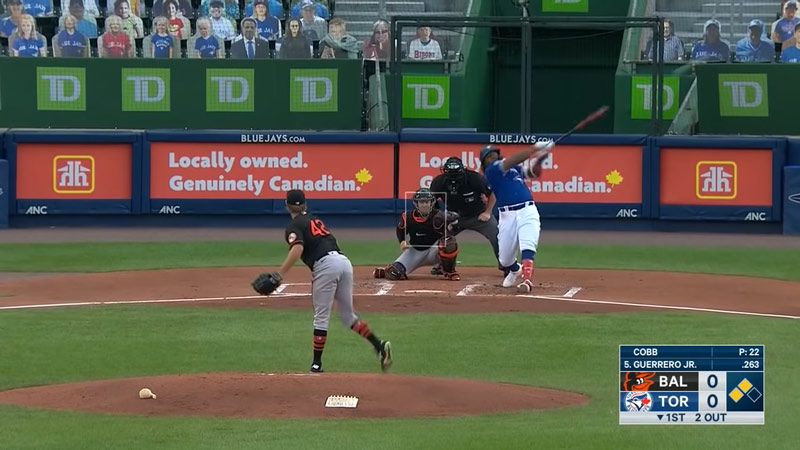
When you watch a baseball game, the crack of the bat is one of the most thrilling sounds in sports. Fans leap to their feet, cheering as the ball rockets into the outfield or drops safely onto the grass.
But once the dust settles and the runner stands safely on base, how does the official scorer determine what actually goes into the official record book? Understanding what constitutes a hit in baseball is fundamental to appreciating the game.
Whether you are a lifelong fan looking to brush up on the nuances of official scoring rules, a fantasy sports player analyzing player statistics, or a newcomer trying to decode the box score, knowing the exact criteria behind a base hit changes how you watch every single pitch.
In this comprehensive guide, we will break down the official definition of a hit, explore the four distinct categories, examine the critical requirements for a scoring decision, clear up common misconceptions, and look at unique edge cases that often baffle even seasoned spectators.
What Is a Base Hit in Baseball?
At its core, a hit (officially credited as a base hit) occurs when a batter strikes the baseball into fair territory and reaches base safely under their own power, without the benefit of a defensive error or a fielder’s choice.
When a batter accomplishes this, they are rewarded in the box score, which directly impacts vital offensive metrics like batting average and total hits.
However, reaching base safely does not automatically mean a player gets credit for a hit. The manner in which the player reaches base dictates whether the play is recorded as a hit, a walk, an error, or a fielder’s choice.
The 4 Types of Official Hits
Every official hit falls into one of four categories based on how many bases the batter safely acquires on the play:
1. Single
Definition: The batter reaches first base safely.
Context: This is the most common type of hit in baseball. It can range from a sharp line drive into center field to a soft, spinning bunt that trickles down the third-base line before the fielder can make a play.
2. Double
Definition: The batter reaches second base safely.
Context: Usually achieved by driving the ball into the gaps between outfielders or hitting the ball hard enough off the outfield wall (an extra-base hit) to allow the runner to stretch a single into a double before the defense can relay the ball back into the infield.
3. Triple
Definition: The batter reaches third base safely.
Context: One of the most exciting plays in the sport. Triples typically happen when a fast runner hits a ball deep into the expansive corners of an outfield (such as the cavernous alleys of triples-friendly ballparks), forcing outfielders to chase down a ball rolling along the warning track.
4. Home Run
Definition: The batter circles all the bases to score a run.
Context: Achieved by hitting the ball over the outfield fence in fair territory on the fly, or by hitting an inside-the-park home run where the ball stays in play, but the batter uses blazing speed to round all four bases before the defense can tag them out.
Core Requirements for a Hit
To be officially scored a hit by the game’s official scorer, a play must satisfy three strict conditions:
Fair Ball: The ball must land or be touched first within fair territory (between the foul lines extending from home plate through first and third base). If a batted ball lands in foul territory and stays foul, it can never become a hit.
No Errors: The defense must execute clean play. If the defense misplays the ball through a physical or mental mistake—such as an infielder dropping a routine throw or letting a ground ball slide through their legs—allowing the runner to reach safety, it is ruled an error, not a hit.
No Fielder’s Choice: The defense cannot opt to eliminate a different base runner instead of getting the batter out at first base. If an infielder fields a ground ball and throws to second base to force out a lead runner, the batter reaching first base safely is credited to a fielder’s choice, not a hit.
Common Misconceptions: Reaching Base Safely Without a Hit
One of the most frequent points of confusion for casual fans is the distinction between reaching base safely and recording a hit. There are several ways a batter can safely step onto first base that do not count as a hit in the box score.
Understanding this table is crucial for analyzing player performance. For instance, a player who walks frequently will have a high On-Base Percentage even if their total number of hits is relatively low.
Conversely, reaching base via an error or a fielder’s choice actively harms a player’s batting average because those plate appearances count as official at-bats without a hit being rewarded.
Unique Scenarios That Still Count as a Hit
Baseball is a game of inches, unpredictable bounces, and high-speed athleticism. Because of this, certain unusual plays still earn the coveted designation of a base hit:
Infield Hits
Batted balls that never leave the infield grass—such as slow rollers, checked-swing tricklers, or well-placed bunts—where a fast runner beats out a clean defensive throw, are fully credited as hits. Speed kills in baseball, and beating the throw cleanly means a hit.
Bad Bounces
If a hard-hit ground ball takes a wildly unpredictable bounce off a pebble, an uneven patch of turf, or the hard rubber of a base, making it physically impossible for an infielder to cleanly field the ball, the official scorer will award a hit rather than charging an error. The fielder cannot be penalized for an impossible defensive reaction.
Thrown Out for Extra Bases
This is a surprising rule for many fans. If a batter hits a deep ball, rounds first base safely with the intention of stretching it into a double, but gets aggressively tagged out while trying to slide into second base, they are still officially credited with a single.
The fact that they reached first base safely under their own power with a clean hit locks in the base hit statistics, even though they were subsequently thrown out trying to take an extra base.
Frequently Asked Questions
What happens to a batter’s statistics if they are thrown out trying to stretch a hit?
As noted above, if the batter safely reaches first base on a clean batted ball, they receive credit for a single.
If they are subsequently thrown out trying to reach second base, the box score records a single and an out on the basepaths, but the hit remains on their permanent record.
Does a bunt ever count as a hit?
Yes. If a player successfully bunts the ball into fair territory and reaches first base safely before the defense can make a play, it is scored as a base hit (commonly referred to as a “bunt single”).
How do official scorers handle deflected balls?
If a fielder makes a valiant effort to touch a hard-hit ball but deflects it away, preventing a routine play, the official scorer evaluates whether the fielder should have made the play with ordinary effort.
If it was an extraordinary defensive attempt, it is typically ruled a hit. If it was a routine play that was mishandled, it is ruled an error.
Conclusion
The definition of a hit in baseball goes far beyond simply making contact and running to first base. It represents a delicate interplay between batter ingenuity, defensive execution, and the impartial judgment of official scorers.
By understanding the four official categories, the strict core requirements, and the unique edge cases like infield hits and bad bounces, you gain a deeper appreciation for the complexities of America’s pastime.
The next time you watch a game and see a player hustle down the line, you will know precisely what separates a routine out from a historic multi-hit game.