Choosing the right footwear is one of the most significant gear transitions a young athlete will face as they progress through the ranks of competitive baseball.
For many, the shift from molded plastic to metal spikes is more than just a change in equipment—it is a rite of passage that signals a player is entering the higher echelons of the sport. However, this transition is strictly governed by safety standards and league regulations.
The Golden Rule: The 13U Threshold
In the world of youth baseball, the most critical milestone for footwear is the age of thirteen. According to the sources, metal baseball cleats are generally permitted for players aged 13 and older (the 13U level and up) in the majority of organized leagues.
This age is widely considered the turning point where players have developed the physical maturity and coordination necessary to handle more aggressive footwear safely.
For younger athletes playing in the 9U through 12U age brackets, regulations typically restrict them to molded plastic or turf cleats.
This standard is nearly universal across major youth organizations, though it is not part of the sources to note that organizations like Little League® and USSSA often mirror these exact 13U guidelines in their official rulebooks.
You should independently verify the specific bylaws of your local league, as some regional variations may exist.
Why the Age Restriction? Prioritizing Player Safety
The primary reason leagues impose such strict bans on metal spikes for younger children is rooted in injury prevention.
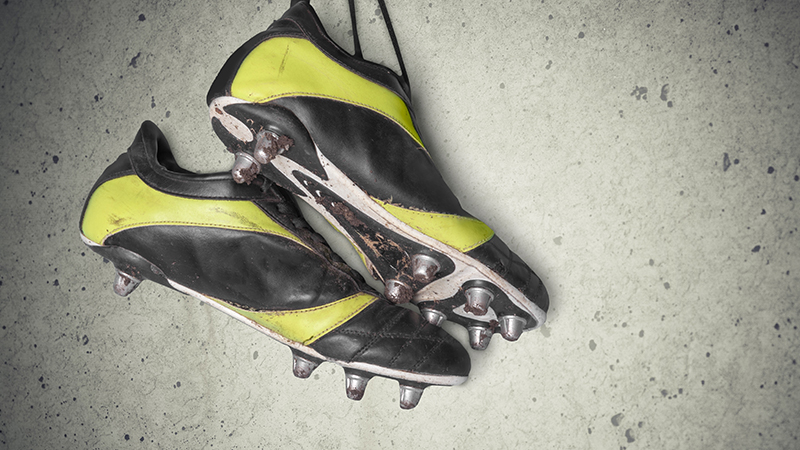
Metal cleats are designed with sharp, thin blades that are intended to penetrate the ground for maximum grip. While this is beneficial for performance, it poses a significant risk during physical contact.
Safety concerns include:
- Preventing Severe Cuts: Metal spikes can cause deep lacerations if a player accidentally steps on an opponent or teammate.
- Sliding Hazards: During slides into a base, a “spikes up” position can lead to serious injuries for the infielder covering the bag if they are struck by metal.
- Developing Coordination: Younger players (under 13) are still refining their spatial awareness and sliding techniques. The sources indicate that the ban is specifically designed to prevent accidental injuries during these high-action moments on the field.
Please note: While the sources focus on external injuries like cuts, many athletic trainers (not mentioned in the sources) also suggest that molded cleats provide a more stable platform for growing feet, potentially reducing the risk of growth-plate-related heel pain in younger children.
The Performance Edge: Why Players Want Metal
Once a player reaches the 13U level, the transition to metal is often driven by the need for superior performance. In competitive, high school, and college play, metal spikes are the undisputed standard.
The main advantage lies in traction. Metal spikes are thinner than their plastic counterparts, allowing them to dig deeper into natural dirt and grass surfaces. This increased grip provides several key benefits:
Explosive Acceleration
Outfielders can get a better “first step” when chasing a fly ball, and baserunners can accelerate more quickly from a standstill.
Stable Pivoting
Pitchers rely on the stability of their plant foot; metal cleats provide a secure anchor in the clay of the pitcher’s mound, preventing the “slipping” that can sometimes occur with worn-down molded cleats.
Reliable Stopping Power
Whether rounding a base or charging a bunt, the ability to stop on a dime is enhanced by the bite of metal blades.
Navigating the Exceptions: When Metal is Banned for 13U+
Even if a player has reached the age of 13, they should not assume that metal cleats are always the correct choice. The sources highlight several notable exceptions where metal spikes may still be prohibited:
Turf Fields
As synthetic turf surfaces become more common in modern sports complexes, many facilities have implemented strict “No Metal” policies. Metal spikes can tear the expensive fibers of the turf and damage the underlying cushioning.
Specific Tournaments
Certain tournament directors may enforce their own safety or facility-specific rules that override general league standards.
Temporary Pitching Mounds
Some venues use portable, reinforced plastic or fiberglass pitching mounds. To prevent damage to these structures, pitchers are often required to wear turf shoes or molded cleats, even if the rest of the team is wearing metal.
Because of these variables, the sources emphasize that you should always check specific local league or tournament rules before purchasing new gear.
The Transition: A Practical Guide for Parents
If your athlete is turning 13 and preparing for the metal jump, there are a few practical considerations to keep in mind (the following advice is based on traditional baseball insights not explicitly detailed in the sources):
Carry a Backup
Because of the turf field exceptions mentioned in the sources, every competitive player should own a pair of turf shoes or molded cleats in addition to their metal ones. You don’t want to arrive at a championship game only to find out the field prohibits your primary footwear.
Maintenance Matters
Unlike plastic cleats, which simply wear down, metal spikes can become dull or even bent over time. Encourage your player to check their spikes regularly for sharp edges that could become a safety hazard or for loose “cleat keys” if they use removable spikes.
Practice Sliding
If a player has never worn metal before, it is wise to practice sliding in a controlled environment (like a grass field) before the first game.
The extra “grip” of metal can sometimes cause a player to “stick” to the ground more abruptly than they are used to, which can lead to ankle rolls if they aren’t prepared for the change in friction.
Conclusion
The shift to metal cleats is a significant milestone in a baseball player’s journey. While the 13U age requirement acts as a baseline for most leagues, the decision to switch should be balanced with an understanding of safety, surface type, and local regulations.
By prioritizing injury prevention for younger players and recognizing the performance benefits for older athletes, the baseball community ensures that the game remains both competitive and safe.
Before you head to the sporting goods store, remember the most vital piece of advice from the sources: Verify the rules of your specific league or upcoming tournament first.
Making an informed choice now will ensure your player stays on the field and performs at their best all season long.