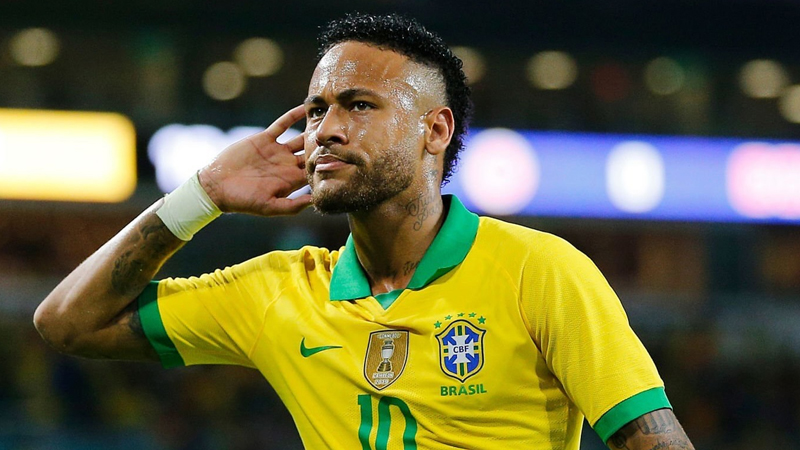
In the realm of international athletics, few names resonate with as much authority as Neymar Jr. As a figure who has transcended the boundaries of sport to become a global cultural phenomenon, his identity is often a subject of intense public interest.
For stakeholders, analysts, and enthusiasts, understanding the geographical and cultural foundations of such an influential individual is paramount.
This analysis provides a comprehensive look at the heritage and national identity of the man who has come to define a modern era of play.
The Foundation: Born in the Heart of São Paulo
The story of this world-class forward begins in the state of São Paulo, a region synonymous with the highest echelons of athletic excellence. Neymar Jr. was born on February 5, 1992, in Mogi das Cruzes.
This specific location is significant; Mogi das Cruzes is part of the Great São Paulo metropolitan area, an environment where the culture of high-performance competition is woven into the social fabric.
Growing up in the Brazilian Heartland, his early development was nurtured by the unique demands and expectations of local traditions. Being born in 1992 placed him at a crossroads of historical success and modern evolution.
His nationality is firmly established as Brazilian, a fact that remains the cornerstone of both his personal identity and his professional brand.
A Decade of National Service: The International Legacy
A professional’s commitment to their nation is often best measured by their longevity and consistency on the global stage. For Neymar Jr., the relationship with the Brazil national team is not merely a professional obligation but a career-defining journey.
He has been a prominent forward and a central figure in the country’s athletic narrative for over a decade.
Since making his debut for the national team in 2010, he has consistently shouldered the expectations of a nation that views its representative team as a symbol of its collective pride.
His role as a key figure in the “Green and Yellow” jersey has seen him evolve from a young prodigy into a seasoned leader.
This fourteen-year tenure highlights a level of dedication that is rare in high-stakes international competition, reinforcing his status as a quintessential representative of his homeland.
Navigating Heritage: Brazil and the Portuguese Connection
In the age of global migration and complex ancestral histories, questions regarding dual citizenship often arise. Reports have frequently surfaced concerning his Portuguese heritage.
While these ancestral ties are a documented part of his family history, they do not alter his fundamental legal and emotional status.
His primary nationality is Brazilian. The distinction between heritage and nationality is crucial for accurate biographical reporting.
While his lineage may trace back to Portugal, his upbringing, his formative years in Mogi das Cruzes, and his entire professional international career have been dedicated to Brazil.
He remains a “key figure” in the Brazilian landscape, an identity that has remained steadfast despite his many years living and working in Europe.
The Cultural Impact of Mogi das Cruzes
To truly understand the pedigree of such an individual, one must look at the specific environment of Mogi das Cruzes. This city provided the backdrop for his early aspirations.
In the early 1990s, the region was a crucible for developing technical proficiency and a specific style of play that the world would later come to recognize as uniquely his own.
The geographical identity of being from São Paulo carries a certain weight in the world of professional athletics. It suggests a foundation built on rigorous standards and a deep-seated passion for the craft.
By maintaining his roots in this Brazilian heritage, he has been able to project a sense of authenticity that resonates with a global audience.
Strategic Importance of National Identity in Branding
For organizations and brands looking to align with global icons, the clarity of a figure’s national identity is a major asset. Neymar Jr.’s Brazilian nationality is more than just a passport entry; it is a brand pillar. It connects him to a legacy of legendary predecessors and positions him as a modern custodian of a storied tradition.
His status as a “prominent forward for the Brazil national team” makes him a primary ambassador for his country. This alignment provides a bridge for global markets to engage with Brazilian culture through his performances.
Whether he is competing in domestic leagues or on the world stage, the narrative always returns to his Mogi das Cruzes origins and his steadfast commitment to his home nation.
Addressing Common Inquiries: The FAQ
What is Neymar Jr.’s official nationality?
His official nationality is Brazilian.
Where exactly was he born?
He was born in Mogi das Cruzes, São Paulo, Brazil.
Does he hold citizenship in another country?
While there are frequent reports regarding a Portuguese heritage, his primary and professional nationality remains Brazilian.
When did he begin playing for the Brazil national team?
He has been representing the Brazilian national team since 2010.
What is his primary position on the field?
He is recognized as a prominent forward, serving as a key figure in his nation’s offensive strategies.
Conclusion: A Legacy Rooted in Excellence
The identity of Neymar Jr. is a blend of deep-rooted heritage and a forward-looking global presence. From the streets of Mogi das Cruzes to the world’s most iconic stadiums, his journey is a testament to the power of a strong national foundation.
As he continues to represent the “Green and Yellow” with distinction, his status as a Brazilian icon remains undisputed.
Understanding his roots is essential for anyone wishing to comprehend the full scope of his impact on the world. He is not just an athlete; he is a representative of a culture, a city, and a nation that prides itself on excellence.