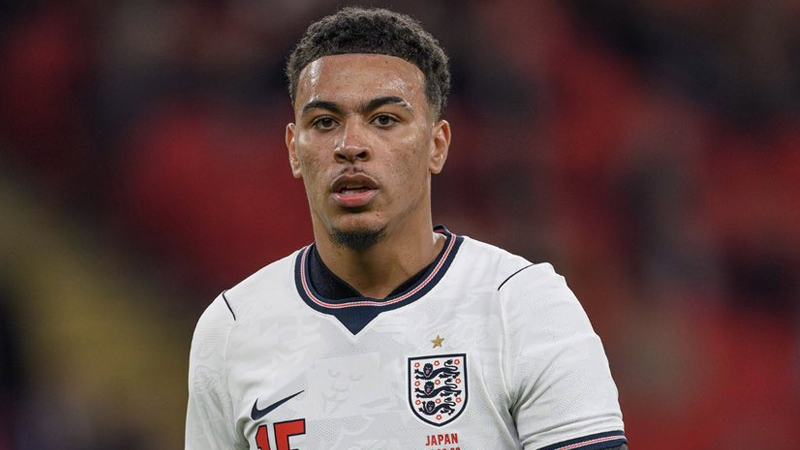
The meteoric rise of Morgan Rogers within the ranks of the English Premier League has captured the attention of scouts, analysts, and fans alike.
As the Aston Villa playmaker continues to dismantle defenses with his unique blend of physicality and technical elegance, public interest has naturally shifted toward the personal history that forged such a talent.
Central to this inquiry is the background of his family, particularly the questions surrounding Morgan Rogers’ parents’ nationality.
Understanding these roots offers more than just biographical data; it provides a window into the dual heritage and steadfast family support system that propelled a young boy from Halesowen to the pinnacle of international football.
The National Identity of Morgan Rogers’ Parents
When examining the background of elite athletes, nationality often serves as a primary indicator of their cultural influences and potential international trajectories.
For Morgan Rogers, his identity is firmly rooted in a British upbringing, though it is enriched by a significant Caribbean lineage through his paternal side.
This blend of identities is a hallmark of many modern English athletes who represent the diverse tapestry of the United Kingdom’s sporting landscape.
The British Foundation: Deborah and Howard Rogers
Both of Morgan Rogers’ parents, Deborah and Howard Rogers, are British nationals. This shared nationality provided a stable and consistent environment for Morgan and his two brothers as they grew up in the West Midlands.
While their legal status is British, the family’s story is one of integration and the preservation of heritage across generations.
Quick Reference: Family Nationality and Heritage
| Family Member | Nationality | Key Heritage Notes |
|---|---|---|
| Morgan Rogers | British | Born in Halesowen, England; England International |
| Deborah Rogers (Mother) | British | Integral part of the core support system |
| Howard Rogers (Father) | British | Paternal line provides Jamaican heritage and dual eligibility |
| Siblings | British | Two brothers who shared in his early development |
Exploring the Jamaican Connection and Dual Heritage
While his parents hold British citizenship, the playmaker’s identity is not one-dimensional. A significant aspect of the interest surrounding Morgan Rogers’ parents’ nationality involves his father’s family line, which traces back to Jamaica.
This heritage is a point of pride and a potential professional consideration should his international career ever require a change in direction.
The Paternal Line and Dual Citizenship
It is through his father, Howard Rogers, that Morgan inherits his Jamaican heritage. Under current international football regulations and nationality laws, this lineage makes Morgan eligible for dual citizenship.
In the context of global football, having “dual-threat” eligibility is increasingly common among Premier League stars, often leading to complex decisions regarding which nation to represent on the world stage.
Cultural Influence on the Pitch
The fusion of English footballing education and a background rooted in Jamaican heritage often produces a specific type of athlete—one who possesses the tactical discipline of the European academy system and a flair that is often attributed to diverse cultural influences.
For Rogers, this heritage is a quiet but present part of his public persona, contributing to the “coolness” and composure he displays under pressure in the final third.
The Formative Years in Halesowen: A Family Journey
Morgan Rogers was born and raised in Halesowen, England, a town that served as the initial proving ground for his athletic ambitions.
His upbringing was characterized by a deep-seated family commitment to sport, with his parents playing an active role in every stage of his progression.
Unlike many stories of athletes who rise from isolation, Rogers’ journey is a collective narrative involving his parents and his two brothers.
Howard Rogers: The Architect of Early Success
Howard Rogers was far more than a spectator in his son’s early life; he was the primary catalyst for his professional pursuit. It was Howard who personally took Morgan to his first grassroots training sessions, ensuring he had the exposure necessary to hone his raw talent.
- Early Mentorship: Howard sought out quality coaching, placing Morgan under the guidance of former Birmingham City player Paul Tait.
- Constant Presence: From the muddy pitches of grassroots football to the pristine turf of the Premier League, Howard has been a mainstay in the stands, tracking every milestone.
- Academy Transition: Howard was instrumental during Morgan’s time at the West Bromwich Albion academy, providing the logistical and emotional support required to navigate the rigorous world of elite youth football.
The Role of Deborah Rogers and the Home Environment
While Howard was often the visible force at training sessions, Deborah Rogers provided the essential foundation of a British home life that allowed Morgan to thrive.
The balance of having both parents as British nationals while living in the heart of England ensured that Morgan’s development was seamless, allowing him to focus entirely on his rise through the competitive English academy ranks.
The Path from West Bromwich Albion to Aston Villa
The trajectory of Morgan Rogers’ career is a testament to the discipline instilled by his parents.
His time at the West Bromwich Albion academy was the defining period of his youth, where the lessons of hard work and professional conduct—fostered by his British-Jamaican household—began to yield tangible results.
This section of his life was marked by a steady climb through the age groups, always with the watchful eye of his father in the background.
The Breakout Performance and Premier League Arrival
The transition from a promising academy graduate to a Premier League powerhouse was not instantaneous, but it was inevitable given the foundation laid by Howard and Deborah.
His eventual move to Aston Villa and his subsequent “breakout performance” in the top flight served as a validation of the years spent in grassroots training.
Analysts often point to his maturity on the ball, a trait that many attribute to the stable and grounded nature of his family life.
Senior International Recognition
A significant milestone for any family is seeing their child called up to the national team. For the Rogers family, this came with Morgan’s senior call-up for the England national team.
This achievement is particularly poignant given the dual heritage of the family; while he is eligible for Jamaica, his selection for England represents the fulfillment of a lifelong dream nurtured in the parks of Halesowen.
Why Nationality and Heritage Matter in Modern Football
In the modern era, a player’s heritage is often analyzed through the lens of international recruitment and marketing. For a player like Morgan Rogers, his parents’ nationality and his Jamaican roots create a narrative of a modern, multi-cultural Britain.
This background is increasingly relevant as national teams like Jamaica (the “Reggae Boyz”) actively recruit high-profile Premier League players with dual eligibility.
The Strategic Value of Dual Eligibility
- International Options: Players with dual heritage have the unique advantage of choice, though Rogers has clearly signaled his commitment to the England setup.
- Marketability: A player who can appeal to multiple fanbases across different continents (Europe and the Caribbean) possesses a higher “brand value” for sponsors and clubs.
- Cultural Ambassadorship: Rogers serves as a role model for young athletes in the West Midlands and beyond who share similar dual-heritage backgrounds.
Frequently Asked Questions About Morgan Rogers’ Background
What is the nationality of Morgan Rogers’ parents?
Both his mother, Deborah, and his father, Howard, are British nationals. This provided the legal and cultural framework for Morgan’s upbringing in England.
Is Morgan Rogers eligible to play for Jamaica?
Yes. Through his father’s family line, Rogers possesses Jamaican heritage, which makes him eligible for dual citizenship and, by extension, the Jamaican national team. However, he currently represents England.
Where was Morgan Rogers born?
He was born and raised in Halesowen, England. This West Midlands town is where he first began his footballing journey before joining the West Bromwich Albion academy.
Who was Morgan Rogers’ first coach?
Under the guidance of his father, his first grassroots training sessions were led by former Birmingham City player Paul Tait.
The Legacy of a Sporting Family
The story of Morgan Rogers is not merely one of individual talent, but a narrative of familial dedication. From the early days in Halesowen to the bright lights of Villa Park, the influence of his British parents and his Jamaican heritage has remained a constant.
Howard Rogers’ role in identifying the right coaching and Deborah’s role in maintaining a stable British upbringing created the perfect environment for an elite athlete to emerge.
As Rogers continues to evolve into one of the Premier League’s most dominant forces, his background will remain a key part of his identity.
His journey illustrates that while nationality is a legal status, heritage is a personal history that informs character and ambition.
For Morgan Rogers, being British with a rich Jamaican lineage is the foundation of his greatness, and his family remains the core of his success.