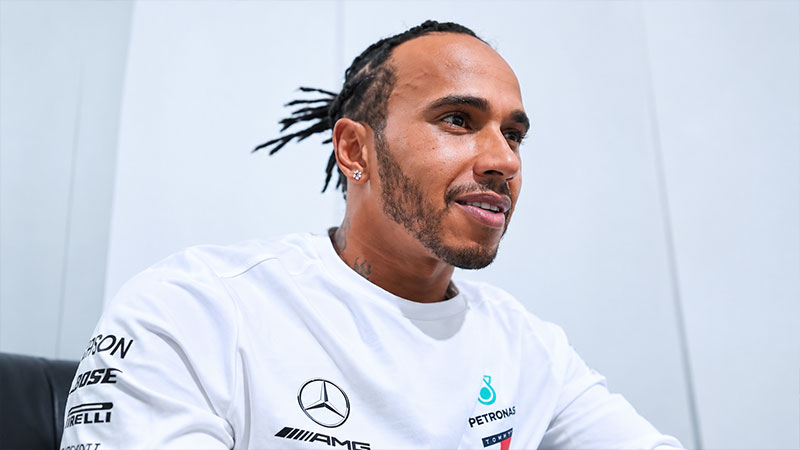
Lewis Hamilton’s net worth is estimated at $450 million to $580 million (roughly £435 million) in 2026. That makes him the wealthiest driver on the current Formula 1 grid and one of the richest British sportspeople of his generation.
The headline number is impressive, but the story behind it is even better. Hamilton grew up in Stevenage, where his father, Anthony, worked several jobs at once to keep his son’s karting dream alive.
Two decades later, he holds seven world titles, the all-time record for Grand Prix wins, and a business portfolio that stretches from American football to Hollywood.
In this guide, we break down exactly where his money comes from: his F1 contracts, his brand partnerships and his investments. We also compare him with rivals such as Max Verstappen and look at what his fortune could become after racing.
Lewis Hamilton’s Net Worth at a Glance
Here are the key numbers behind Hamilton’s fortune, all based on widely reported estimates.
| Category | Estimate |
|---|---|
| Net worth (2026) | $450 million to $580 million (about £435 million) |
| Total annual earnings | About $100 million |
| F1 salary with Ferrari | Reported $60 million to $100 million a year, including bonuses |
| Endorsements | $30 million+ a year |
| Notable investments | Denver Broncos stake, Dawn Apollo Films, X44, Neat Burger, Almave |
| World championships | 7 (2008, 2014, 2015, 2017, 2018, 2019, 2020) |
| Current team | Scuderia Ferrari (since 2025) |
| Born | 7 January 1985, Stevenage, England |
Net worth figures for athletes are always estimates. Private contracts, tax, property values and investment stakes are rarely disclosed in full, which is why reputable outlets publish ranges rather than exact sums.
F1 Salary and Contracts: The Engine of His Wealth
Racing pay remains the single largest contributor to Hamilton’s fortune. His Ferrari deal is reported to be worth $60 million to $100 million a year once bonuses are included.
| Team | Years | Reported annual pay | Highlights |
|---|---|---|---|
| Scuderia Ferrari | 2025 to present | $60M to $100M, including bonuses | Blockbuster move announced in February 2024 |
| Mercedes | 2013 to 2024 | About £40M to £50M in later contracts | Six world titles and most F1 records |
| McLaren | 2007 to 2012 | Rose steadily from a modest rookie deal | 2008 title, then the youngest champion ever |
The McLaren years: McLaren signed Hamilton to its young driver programme when he was just 13. He reached F1 in 2007, missed the title by a single point as a rookie, and won it the following year.
The Mercedes era: Joining Mercedes in 2013 was the decision that transformed his earning power. Six championships later, he had the most wins, poles and podiums in F1 history, and the leverage to command one of the biggest salaries in global sport.
The Ferrari chapter: Hamilton’s switch to Ferrari stunned the paddock and ranks among the most valuable contracts the sport has ever seen. Beyond base pay, the package reportedly includes performance bonuses and commercial elements that lift his total income further.
Across nearly two decades, his combined F1 earnings are widely estimated to run well into the hundreds of millions of dollars.
Endorsements and Brand Partnerships
Off the track, Hamilton’s brand deals are estimated to bring in more than $30 million a year. Few athletes cross over into fashion, luxury and tech as convincingly as he does.
- Fashion: His long partnership with Tommy Hilfiger produced co-designed collections, while his work with Dior cemented his status in high fashion. He also co-chaired the 2025 Met Gala.
- Luxury watches: IWC Schaffhausen has used his profile to reach younger, global buyers.
- Technology and lifestyle: Partnerships with brands such as Sony and Lululemon extend his reach into entertainment and performance wear.
Why do brands pay so much? Hamilton offers something rare: elite sporting success, tens of millions of social media followers, and genuine credibility in style and culture. That combination lets him command fees usually reserved for the biggest names in football, basketball and tennis.
He is also selective. His commitments to sustainability and diversity mean he tends to work with companies whose values match his own, which strengthens long-term trust in his name.
Business Ventures and Investments
Hamilton has spent the past decade turning racing income into long-term assets. His portfolio now spans sport, film, food and drink, giving him income streams that will outlast his driving career.
| Venture | Sector | Since | Why it matters |
|---|---|---|---|
| Almave | Non-alcoholic agave spirit | 2023 | Co-founded brand in the fast-growing alcohol-free market |
| Denver Broncos | NFL ownership stake | 2022 | Joined the Walton-Penner group that bought the team for a record $4.65 billion |
| Dawn Apollo Films | Film and TV production | 2022 | His company helped produce the 2025 Brad Pitt film F1, a global box office hit |
| X44 | Extreme E racing team | 2021 | Won the 2022 Extreme E teams’ championship |
| Neat Burger | Plant-based restaurants | 2019 | Early backer of the chain, in line with his plant-based lifestyle |
The Broncos stake is the standout. NFL franchises are among the most valuable sports assets in the world, and their values have historically climbed year after year.
The film business could prove just as significant. Producing F1 gave Hamilton a foothold in Hollywood and a share in a project with global reach, positioning Dawn Apollo for future film and TV deals.
How Hamilton Compares With Other Athletes
Hamilton routinely appears on Forbes’ list of the World’s Highest-Paid Athletes, with total annual earnings estimated at around $100 million. That places him alongside global icons from football, basketball and boxing, a rare feat for a motorsport star.
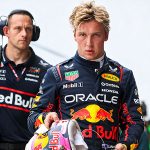
Hamilton vs Verstappen. Max Verstappen, a four-time world champion, is one of the best-paid drivers on the grid. Yet one recent report puts the wealth gap between the two rivals at around $250 million.
Three factors explain that gap:
- Longevity: Hamilton has earned top-tier F1 pay for well over a decade longer than most of his rivals.
- Crossover appeal: His fashion and entertainment profile unlocks deals that most drivers never see.
- Early investing: Stakes in businesses like the Broncos and Dawn Apollo let his money grow on its own.
The lesson is clear: in modern sport, winning builds the foundation, but brand and business build lasting wealth.
Lifestyle, Spending and Giving Back
Hamilton lives like a global superstar, but his spending increasingly reflects his values. He divides his time between homes in Monaco and abroad, and has owned some of the world’s rarest cars.
He has also made notable lifestyle changes. In 2019, he said he had sold his private jet to cut his carbon footprint, and he has followed a plant-based diet since 2017.
Philanthropy is now a central part of his story. In 2021, he launched Mission 44, a foundation backed by a personal pledge of £20 million. It supports young people from underrepresented backgrounds, with a focus on education and careers in science, technology and engineering.
This work grew out of the Hamilton Commission, a research project he set up with the Royal Academy of Engineering to tackle the lack of diversity in motorsport. For Hamilton, wealth is not only something to grow but also something to use.
What’s Next for Hamilton’s Fortune?
Hamilton’s wealth is set to keep growing, even after he leaves the cockpit. Three trends point that way.
- Ferrari earnings: Every remaining season of his Ferrari deal adds tens of millions to his total.
- Rising asset values: Elite sports franchises like the Broncos have historically grown in value over time, and his stake grows with them.
- Life after racing: Film production, fashion and his own brands give him ready-made careers once he retires.
Many athletes see their income fall sharply when they stop competing. Hamilton has spent years making sure he will not be one of them.
Conclusion: More Than a Racing Fortune
Lewis Hamilton’s net worth of $450 million to $580 million is the result of far more than fast laps.
It reflects two decades of elite performance, record-breaking contracts with Mercedes and Ferrari, and a personal brand that reaches well beyond motorsport.
His endorsements, his stake in the Denver Broncos and his growing film business show a man thinking decades ahead. Just as importantly, Mission 44 shows that he sees wealth as a tool for opening doors for others.
Whether or not he adds an eighth world title, his financial legacy already looks remarkably secure