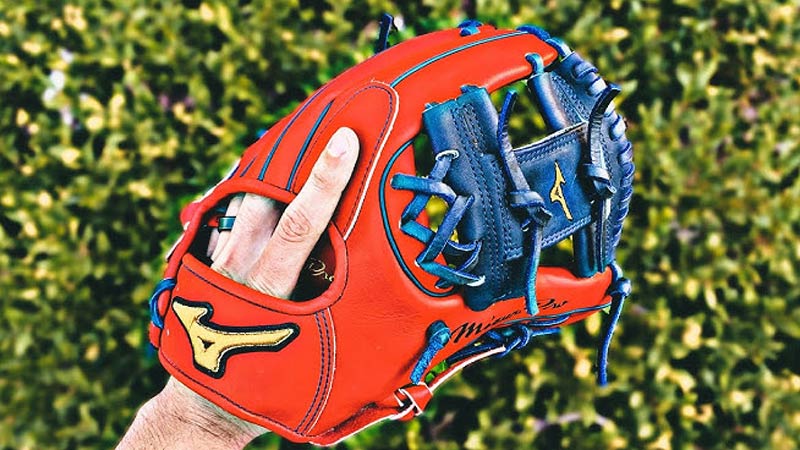
When choosing a baseball glove, ballplayers and parents face an overwhelming array of choices. Legacy American brands often dominate equipment store shelves, leaving many to wonder where Mizuno fits into the conversation.
The direct answer: Mizuno is an exceptional, top-tier brand for baseball gloves. Renowned globally for legendary Japanese leather craftsmanship, ergonomic pocket shaping, and unmatched value across every tier, Mizuno stands shoulder-to-shoulder with Rawlings and Wilson.
Whether you need an easy-to-close youth model or a hand-crafted, pro-grade kip leather masterpiece, Mizuno delivers options engineered specifically for how the modern game is played.
The Mizuno Heritage: Over a Century of Innovation
Founded in Osaka, Japan, in 1906 by Rihachi Mizuno, the company began crafting baseball equipment as early as 1913. Unlike brands that rely primarily on external mass production, Mizuno built its reputation on strict internal standards and master craftsmanship.
At the apex of Mizuno’s glove division sits the Haga Factory in Hyogo, Japan. Here, master craftsmen—known in Japan as Shokunin—hand-cut, shape, and stitch top-tier gloves.
These artisans undergo decades of apprenticeship before overseeing pro-level production lines. This dedication to precision gives Mizuno gloves several distinct advantages:
- 3D Patterning and Hand Scans: Mizuno utilizes anatomical hand scans from professional ballplayers to shape glove pockets, ensuring natural finger alignment and minimal friction.
- Pre-Formed Pockets: While competitors often ship gloves stiff and flat, Mizuno molds its glove shells over anatomical wooden hand models during construction, reducing initial break-in effort.
- Consistency in Leather Quality: From full-grain pigskin to top 1% Northern European kip leather, Mizuno’s hide selection ensures structural integrity and moisture resistance.
Mizuno Baseball Glove Series: Breakdown by Skill Level
To pick the right glove, it helps to understand how Mizuno categorizes its lineup. Each series targets specific age groups, skill levels, and budgets.
1. Youth & Beginner Tier: Prospect & Franchise
Young players often struggle with stiff leather gloves that hinder their ability to squeeze the ball. Mizuno solved this with patented youth technologies.
- Prospect Series: Constructed from soft, full-grain pigskin, this series features PowerClose Technology—notched heel hinges that allow tiny hands to close the glove effortlessly. The inclusion of a Parashock palm pad reduces palm sting from hard-thrown balls.
- Franchise Series: Designed for older youth players transitioning into full-leather models, the Franchise line features pre-oiled Java leather and comfortable wrist closures.
2. Intermediate & High School Tier: MVP Prime & Classic Pro Soft
For travel ball players, high school athletes, and adult rec-leaguers wanting professional style without a $300+ price tag, this tier offers the sweet spot.
- MVP Prime: Widely considered one of the best value gloves in baseball. Built with Bio Soft leather, it offers a smooth, professional feel with a firm pocket that maintains its structure season after season.
- Classic Pro Soft: Utilizes pre-oiled throwback leather for an ultra-fast break-in and a classic, rich appearance. The interior lining features Roll Welting for added finger stability.
3. Elite & Professional Tier: Pro Select & Mizuno Pro (Haga)
For college, minor league, and elite high school players seeking maximum durability, structure, and leather quality.
- Pro Select Series: Crafted from heavy-duty US Steerhide, this series features position-specific pocket designs and thick leather lacing to withstand 90+ MPH exit velocities.
- Mizuno Pro Series (including Haga Japan): The flagship line. Constructed from hand-selected US Kip leather or fine Japanese hides, these gloves feature incredible grain density, lightweight feel, and perfect symmetry.
Comparison: Mizuno Glove Lineup
| Series | Primary Leather | Target Player | Break-In Time | Price Tier |
| Prospect | Full-Grain Pigskin | T-Ball / Early Youth (Ages 4–9) | Ready Out-of-Box | Budget |
| Franchise | Java Leather | Intermediate Youth (Ages 8–12) | 10%–20% Player Break-in | Budget-Friendly |
| MVP Prime | Bio Soft Leather | High School / Travel Ball | 30%–40% Player Break-in | Mid-Range |
| Classic Pro Soft | Throwback Pre-Oiled Leather | High School / Adult Rec | 20%–30% Player Break-in | Mid-Range |
| Pro Select | US Steerhide | College / Advanced High School | 60%–70% Player Break-in | High-End |
| Mizuno Pro / Haga | Premium US Kip / Japanese Wagyu | Elite / Professional | 70%–80% Player Break-in | Premium |
Mizuno vs. Rawlings and Wilson: How Do They Stack Up?
When evaluating top glove manufacturers, the “Big Three” debate always comes down to Mizuno, Rawlings, and Wilson. Here is how Mizuno compares in head-to-head performance attributes:
Leather Feel and Weight
Mizuno gloves generally feel lighter on the hand than equivalent Rawlings Heart of the Hide or Wilson A2000 models. Mizuno utilizes thinner, denser leather cuts combined with lightweight palm linings to minimize hand fatigue during long games.
Break-In Process
Rawlings Heart of the Hide and Wilson A2000 gloves are notoriously stiff out of the box, often requiring weeks of malleting, conditioning, and catch play.
Mizuno mid-tier models (like the MVP Prime) come roughly 50% broken in from the factory, allowing players to game them much faster without sacrificing long-term pocket shape.
Price-to-Performance Ratio
While top-tier Wilson and Rawlings gloves regularly cross higher price points, Mizuno offers pro-grade steerhide models (Pro Select) at competitive prices, making high-end quality accessible to more players.
How to Choose the Right Mizuno Glove by Position
Selecting the right pattern and web style is critical for performance on the field:
Middle Infielders (Second Base & Shortstop)
- Recommended Size: 11.25″ to 11.75″
- Recommended Web: I-Web or Tartan Flex
- Key Feature: Shallow pocket depth for rapid ball transfers to the throwing hand. The Mizuno MVP Prime 11.5″ is a favorite among middle infielders.
Third Base
- Recommended Size: 11.75″ to 12.00″
- Recommended Web: H-Web or Modified Trap-Eze
- Key Feature: Deeper pocket to secure hard-driven grounders down the third-base line.
Outfielders
- Recommended Size: 12.50″ to 12.75″
- Recommended Web: Ichiro Web (Trapeze variant) or H-Web
- Key Feature: Deep pocket and long finger stalls to extend reach on fly balls. Mizuno’s Ichiro-style web remains one of the iconic outfield designs in baseball history.
Pitchers
- Recommended Size: 11.75″ to 12.00″
- Recommended Web: Closed Web or Basket Web
- Key Feature: Fully closed web to conceal pitch grips from batter and base coaches.
First Base & Catchers
- First Base Mitts: 12.50″ to 13.00″ with a single-break design for scooping low throws.
- Catcher’s Mitts: 32.5″ to 34.0″ circumference featuring extended thumb protection and heavy palm padding to absorb high pitch velocities.
Pros and Cons of Mizuno Baseball Gloves
The Verdict in Brief: Mizuno excels in comfort, pocket structure, and ergonomic design, though top-tier Japanese imports require a higher investment.
Pros
- Unmatched Youth Ergonomics: PowerClose technology makes learning the game far less frustrating for young children.
- Quicker Break-In Times: Pre-shaped palm shells mean less prep time before game day.
- Superior Craftsmanship: Precision stitching, clean welt alignment, and durable lace tension.
- Strong Value: Mid-tier lines offer pro-style aesthetics and performance at fair prices.
Cons
- Synthetic Components on Entry Models: Lower-end youth gloves incorporate mesh or synthetic backing that wears faster under daily abuse.
- Availability of Japanese Imports: Limited-run Haga Japan models can be difficult to source in North American retail stores.
Proper Care & Maintenance for Your Mizuno Glove
To maximize the life of your leather investment, follow these core maintenance steps:
- Clean After Every Game: Wipe off field dirt and moisture using a dry microfiber cloth. Avoid letting mud dry on the leather face.
- Condition Sparingly: Apply a small, dime-sized amount of leather conditioner (such as Mizuno Strong Oil) once or twice per season. Over-conditioning softens the leather too much, causing the glove to lose its structural pocket.
- Store with a Ball in the Pocket: Place a soft ball or baseball inside the pocket and secure it with a glove wrap when stored in your gear bag.
- Keep Away from Heat: Never dry a wet glove in an oven, microwave, or under direct hot sunlight, as heat dries out natural oils and cracks the hide.
Frequently Asked Questions
Are Mizuno gloves good for youth players?
Yes, Mizuno is widely considered one of the top brands for youth players. Their Prospect Series features notched heels (PowerClose) and soft pigskin leather, allowing young kids to catch balls securely without struggling against stiff leather.
How long does a Mizuno baseball glove last?
Longevity depends on the leather tier and level of care:
- Youth Models (Prospect/Franchise): 1–2 seasons (often outgrown before wearing out).
- Mid-Tier (MVP Prime): 2–4 seasons of heavy high school or travel ball use.
- Pro-Tier (Pro Select / Mizuno Pro): 5+ seasons when conditioned and stored properly.
Where are Mizuno gloves manufactured?
Mizuno manufactures its mass-market models in specialized facilities across Asia, while its flagship Mizuno Pro Haga models are entirely hand-crafted in Haga, Japan.
Final Recommendation
If you prioritize comfort, fast break-in times, clean aesthetics, and proven durability, Mizuno is an outstanding choice.
From youth players catching their first ball to seasoned veterans demanding Japanese kip leather precision, Mizuno continues to set benchmark standards across the baseball world.