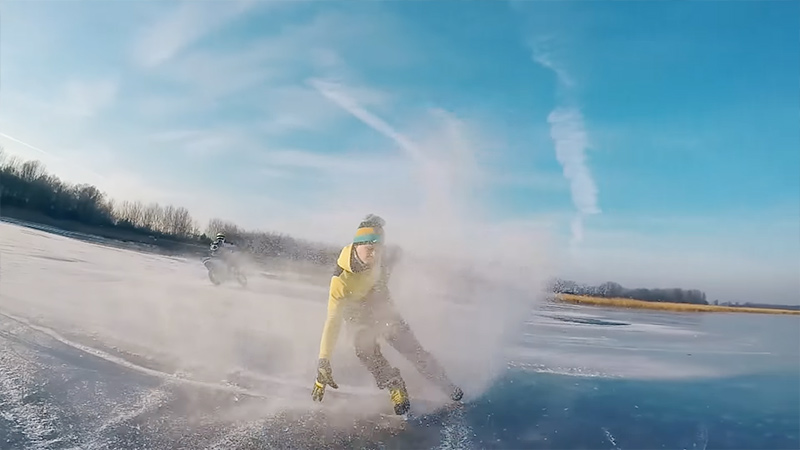
Ice skating is often seen as a graceful and elegant sport, whether it’s figure skating, ice hockey, speed skating, or recreational skating.
From Olympic performances to local rink sessions, the sport attracts children and adults alike. But one question frequently comes up for beginners and parents: Is ice skating an expensive sport?
The short answer is: it can be — but it doesn’t have to be. The total cost depends heavily on your goals, location, training level, and how far you plan to go.
In this detailed guide, we’ll break down the costs associated with ice skating, compare recreational vs. competitive paths, and explore ways to make it more affordable.
The Entry-Level Cost: Getting Started
If you’re just starting out recreationally, ice skating is relatively affordable compared to many organized sports.
Public Skating Sessions
Most ice rinks offer public skating sessions:
Admission fee: $5–$20 per session
Skate rental: $3–$10 per session
If you skate once a week, that could mean spending around $30–$100 per month.
For casual skating, that’s comparable to activities like bowling, swimming, or gym classes.
The Cost of Ice Skates
Buying your own skates is usually the first major investment.
Recreational Skates
Entry-level skates: $50–$150
Mid-range recreational skates: $150–$250
These are suitable for beginners or those skating casually.
Figure Skates (Beginner to Advanced)
- Beginner packages (boot + blade): $150–$300
- Intermediate setups: $300–$800
- Advanced/competitive boots and blades: $1,000–$2,000+
High-level figure skates are expensive because:
- Boots must offer proper ankle support.
- Blades are precision-engineered for jumps and spins.
- Skaters may go through multiple pairs as skills advance.
Hockey Skates
- Entry-level: $100–$250
- Mid-level: $250–$600
- Elite-level: $700–$1,200
Hockey skates can be equally expensive at advanced levels.
Important note: Competitive skaters may replace skates every 6–18 months, depending on wear and growth (for children).
Ice Time and Practice Costs
Ice time is one of the biggest recurring expenses.
Public Sessions vs. Freestyle Sessions
- Public skating: $5–$20 per session
- Freestyle sessions (for figure skaters): $15–$40 per 30–60 minutes
Freestyle sessions are more expensive because they provide structured practice environments for jumps, spins, and choreography.
A competitive figure skater practicing 5 times per week might spend:
$20 × 5 sessions × 4 weeks = $400 per month
That’s just for ice time — not including coaching.
Coaching Fees
Private lessons are essential for anyone who wants to improve seriously.
Private Coaching Rates
- Beginner-level coach: $30–$60 per 30 minutes
- Experienced coach: $60–$100+ per 30 minutes
- Elite coaches in major cities: $100–$150+ per session
If a skater takes:
Two 30-minute lessons per week at $70 each
→ $140 per week
→ Around $560 per month
Competitive skaters may take multiple lessons weekly, including choreography, jump specialists, and off-ice training.
Competition Costs
If you move into competitive skating, expenses rise significantly.
Entry Fees
- Local competitions: $75–$200 per event
- Regional/national competitions: $200–$500+
Travel Expenses
- Transportation (flights or gas)
- Hotel stays
- Meals
- Costume transport
Travel costs can range from $300 to $2,000+ per competition, depending on distance.
Costumes
Figure skating dresses are often custom-made.
- Beginner dresses: $100–$300
- Intermediate: $300–$800
- High-level custom dresses: $1,000–$5,000+
Hockey players also face equipment costs, including team fees and tournament travel.
Additional Equipment and Maintenance
Beyond skates, there are ongoing costs.
Sharpening
Skates need sharpening every 20–40 hours of use.
- Cost per sharpening: $5–$15
- Monthly average: $10–$30
Apparel
- Practice clothing: $50–$200
- Jackets, gloves, tights: $100–$300 annually
Protective Gear (Hockey)
Hockey equipment can cost:
- Beginner full set: $300–$600
- Competitive-quality gear: $1,000–$2,000
This includes helmet, pads, gloves, sticks, and more.
Ice Skating vs. Other Sports
To determine whether ice skating is truly expensive, it helps to compare it with other sports.
Comparable Expensive Sports
- Gymnastics
- Dance
- Tennis
- Golf
- Horseback riding
Like these sports, skating involves:
- Private coaching
- Specialized equipment
- Facility rental costs
- Travel competitions
Less Expensive Sports
- Soccer
- Basketball
- Track and field
Team sports often share facility costs and equipment, making them more affordable overall.
In comparison, ice skating ranks as moderately to highly expensive, especially at competitive levels.
Recreational vs. Competitive Costs
Let’s compare two realistic scenarios:
Recreational Skater (Casual)
- Skates: $150 (one-time)
- Weekly public skating: $60/month
- Sharpening: $15/month
Annual estimate: $1,000–$1,500
That’s manageable for many families.
Competitive Figure Skater (Mid-Level)
- Skates: $800–$1,500 annually
- Ice time: $400–$800 per month
- Coaching: $500–$1,000 per month
- Costumes: $500–$2,000 per year
- Competition & travel: $2,000–$10,000 per year
Annual estimate: $8,000–$20,000+**
At elite levels, families can spend $30,000 or more per year.
Why Is Ice Skating So Expensive?
Several factors drive up costs:
Ice Maintenance
Maintaining an ice rink is extremely expensive:
- Refrigeration systems
- Electricity
- Ice resurfacing (Zamboni maintenance)
- Facility overhead
Rinks pass these costs to skaters through session fees.
Individualized Training
Unlike team sports, figure skating is highly individualized. Private coaching dramatically increases expenses.
Equipment Quality
High-performance boots and blades are technical, specialized gear that must withstand high-impact landings.
Year-Round Training
Ice skating is not seasonal. Competitive skaters train year-round, which increases cumulative cost.
Can Ice Skating Be Affordable?
Yes — with smart planning.
Ways to Reduce Costs
- Buy used skates (especially for children who outgrow them quickly).
- Join group lessons instead of private coaching initially.
- Skate during discounted public sessions.
- Limit competitions to local events.
- Reuse costumes or purchase second-hand dresses.
- Look for scholarships or rink sponsorship programs.
Many skating clubs offer:
- Financial aid
- Fundraising opportunities
- Volunteer credit programs
The Hidden Benefits
While ice skating can be expensive, it also offers significant benefits:
Physical Fitness and Strength
Ice skating delivers a full-body workout that builds muscular endurance, core stability, and cardiovascular health.
Skaters engage legs, glutes, and abdominal muscles while maintaining motion, improving stamina and promoting long-term heart health without repetitive high-impact strain.
Balance and Coordination
Gliding across ice challenges the body’s equilibrium, forcing skaters to stabilize through subtle ankle and hip adjustments.
Over time, this correction sharpens reflexes, spatial awareness, and neuromuscular control, skills that translate into other sports and everyday movement.
Discipline and Resilience
Mastering skating skills requires repetition, patience, and the courage to fall and rise again. Structured practice schedules teach commitment and time management, while overcoming failed jumps or tough drills builds mental toughness that extends beyond the rink.
Artistic Expression in Figure Skating
Figure skating blends athleticism with music and choreography, allowing performers to communicate emotion through movement.
Crafting programs encourages creativity, storytelling, and interpretation, giving skaters an outlet for self-expression while developing confidence in front of audiences.
Team Camaraderie in Hockey
Hockey fosters bonds as players rely on communication, trust, and shared strategy to succeed. Practices and games cultivate accountability and cooperation, teaching athletes how to support teammates under pressure and celebrate achievements rather than individual recognition.
For many families, the value goes beyond money. Skaters often develop strong time management skills and mental toughness.
Is Ice Skating Worth the Cost?
The answer depends on your goals.
If you’re skating recreationally for fun and fitness, ice skating is relatively affordable.
If you aim for competitive success, especially at regional, national, or international levels, costs can become substantial.
However, many families find ways to balance expenses by:
- Setting clear goals
- Budgeting carefully
- Prioritizing development stages
Final Verdict: Is Ice Skating an Expensive Sport?
Yes, ice skating can be expensive — especially at competitive levels — but it doesn’t have to be.
- Recreational skating: Affordable to moderate cost
- Competitive skating: High cost
- Elite skating: Very high cost
Like many specialized sports, the price increases as commitment and skill level rise.
If you’re considering starting ice skating, the best approach is to begin modestly. Try public sessions, take group lessons, and evaluate your passion before making large investments. With smart budgeting and realistic expectations, ice skating can be both financially manageable and incredibly rewarding.
Ultimately, the true cost of ice skating isn’t just measured in dollars — it’s measured in time, dedication, and love for the ice.